에밀 우르바넥, 지희킴, 캐서린 존스, 김미영
Emil Urbanek, Jihee Kim, Katherine Jones, Meeyoung Kim
5 Feb-1 Mar 2025
ThisWeekendRoom
Artists
Emil Urbanek →
Jihee Kim →
Katherine Jones →
Meeyoung Kim →
Credit
참여작가ㅣ에밀 우르바넥, 지희킴, 캐서린 존스, 김미영
기획ㅣ디스위켄드룸
글ㅣ이유진
사진ㅣ최철림
협력ㅣ베저할레
구조물 디자인 및 제작ㅣ손정민
판화 제작 및 자문ㅣ에스에이에이
ArtistsㅣEmil Urbanek, Jihee Kim, Katherine Jones, Meeyoung Kim
Curated by ThisWeekendRoom
TextㅣYoojin Lee
PhotographsㅣChoi Chul lim
Collaborated with Weserhalle
Design and build structuresㅣJungmin Son
Printmaking and consultancyㅣSAA(Screen Art Agency)







Exhibition Text
≪Scratching Surface≫는 에밀 우르바넥(Emil Urbanek, 독일), 지희킴, 캐서린 존스(Katherine Jones, 영국), 김미영이 각자의 언어로 이미지와 매체 ‘표면’의 관계를 살펴 이를 작품의 개념적 중심점과 연결 짓는 방식을 다룬다. 주지하다시피 예술 작품에서의 표면은 작가가 자의적으로 구성한 세계와 여러 감응의 형태를 견인하는 영역이다. 즉 이는 작품의 서사를 경험하도록 유도하는 실질적인 장(場)이며, 배경의 노출과 은폐의 정도, 나열 순서와 방향 등으로 인해 다변화된다. 작가들은 지지체의 두께와 모양을 달리 실험하거나 필요에 따라 직접 제작하기도 하며 완결된 화면에 다다르기 위한 방법론을 세밀히 설정한다. 전시는 그 다양한 실험 사이에서 발생하는 긴장과 유기적 전환의 순간들을 관찰하고 그로부터 사료되는 새로운 시각적 구조와 감각의 층위에 호응하고자 한다.
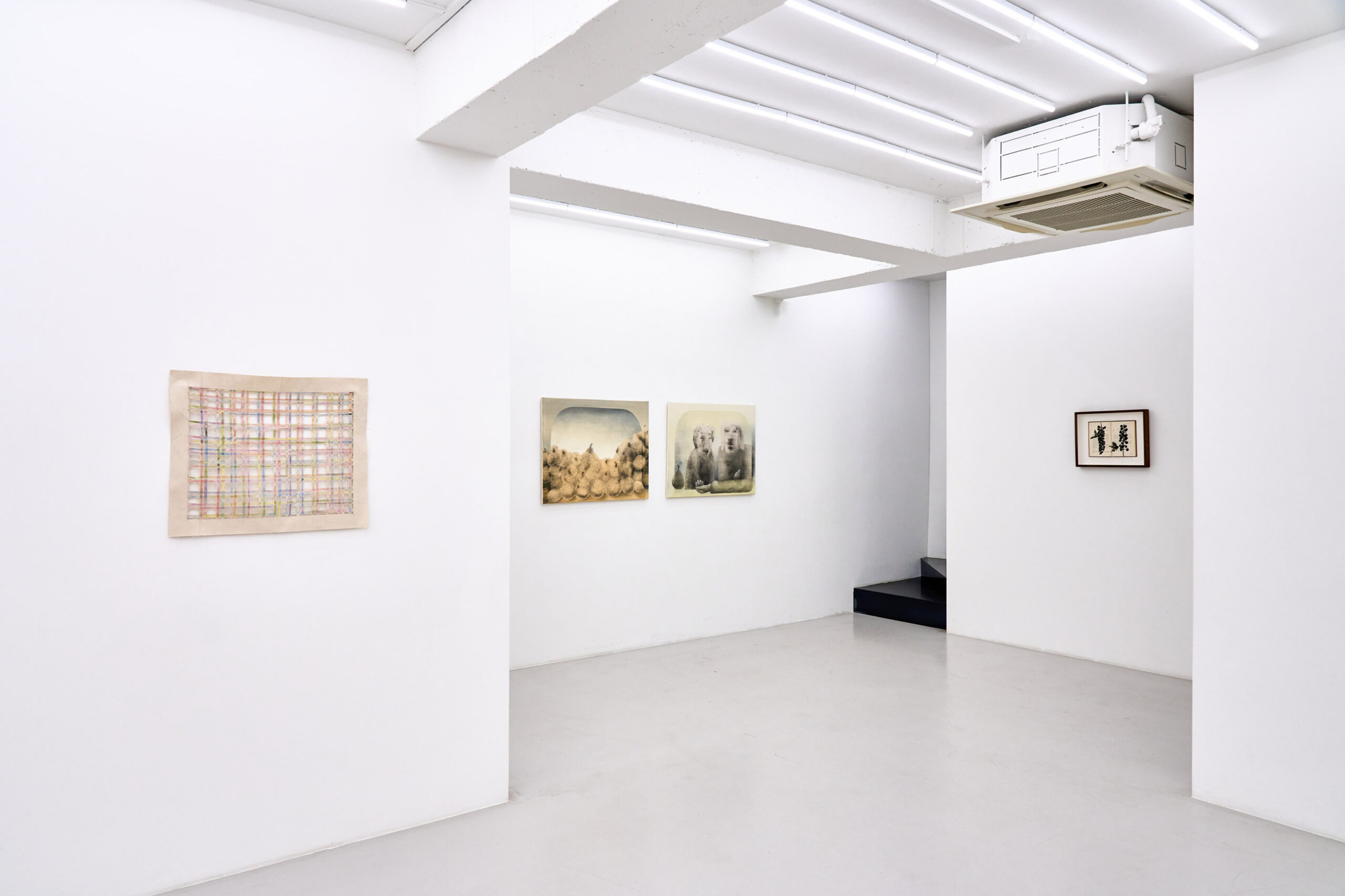
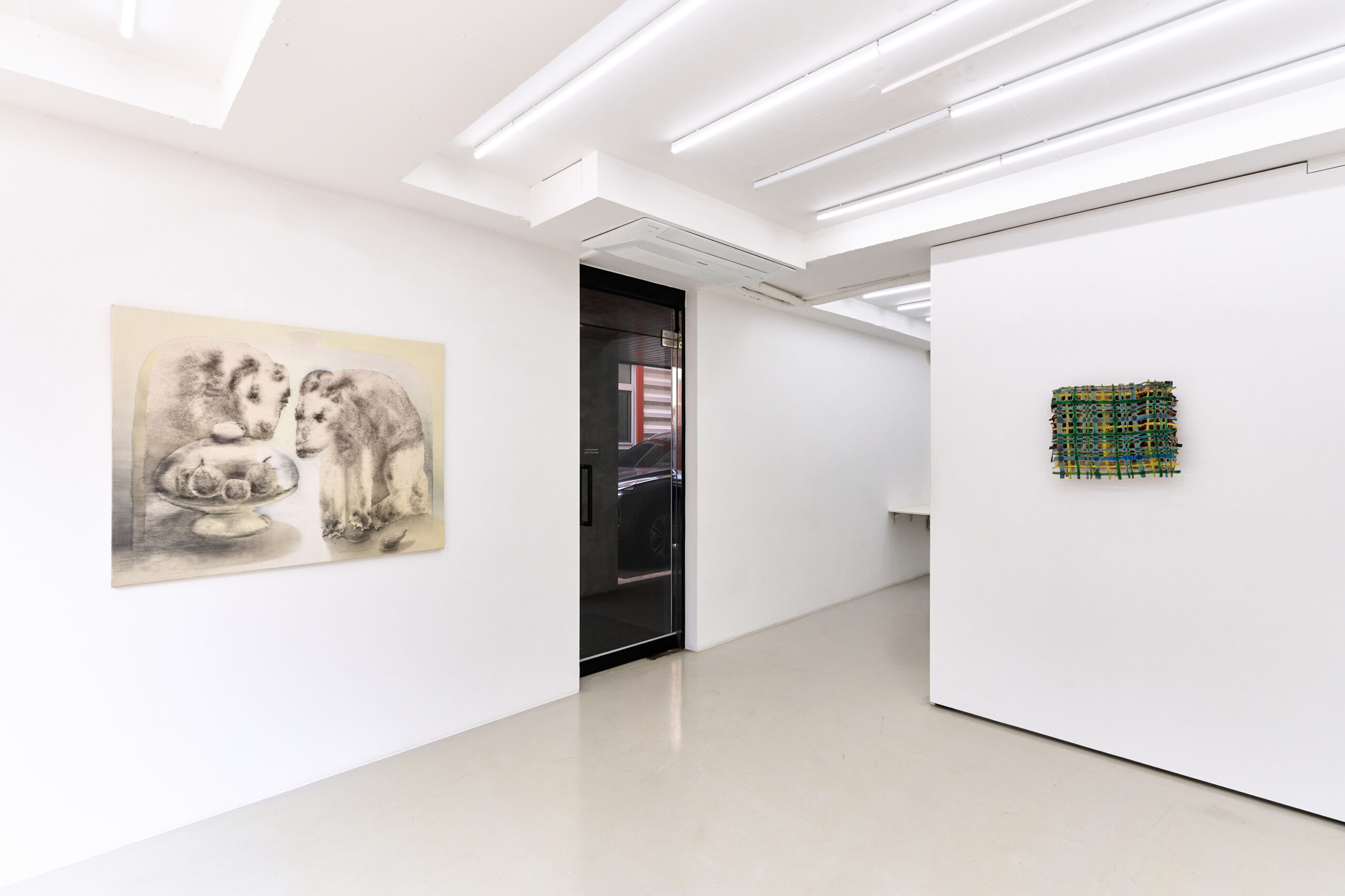
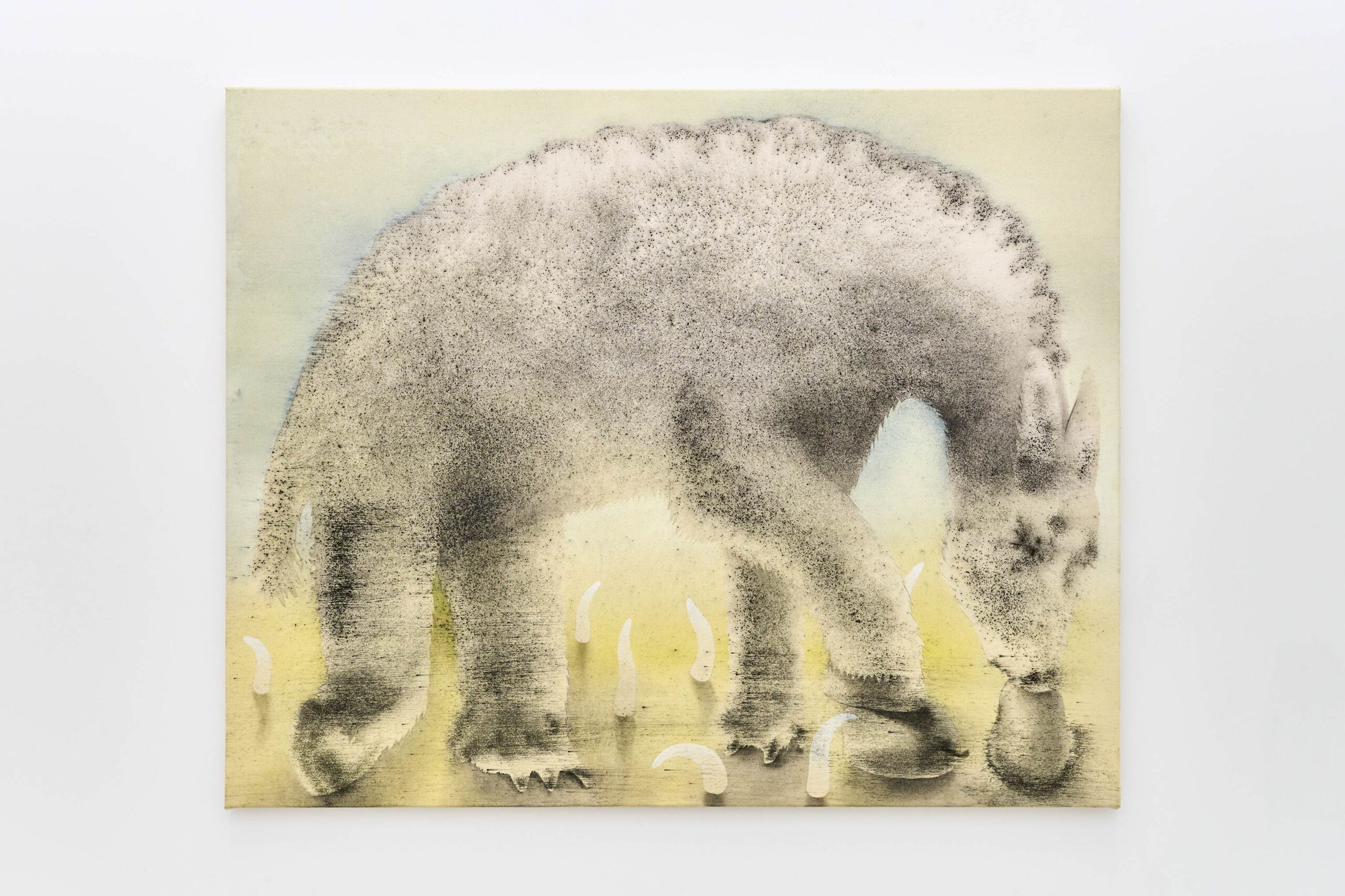
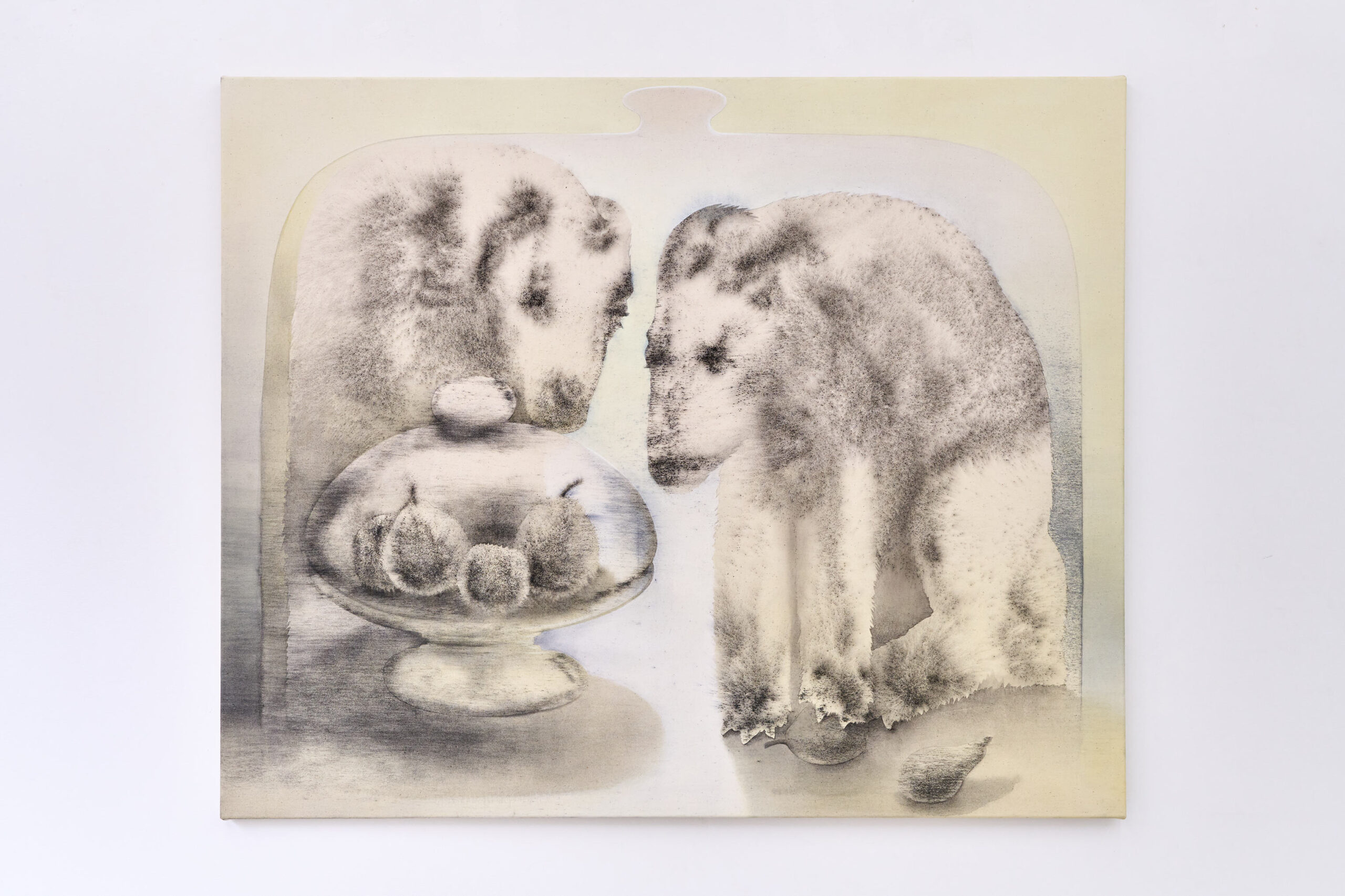
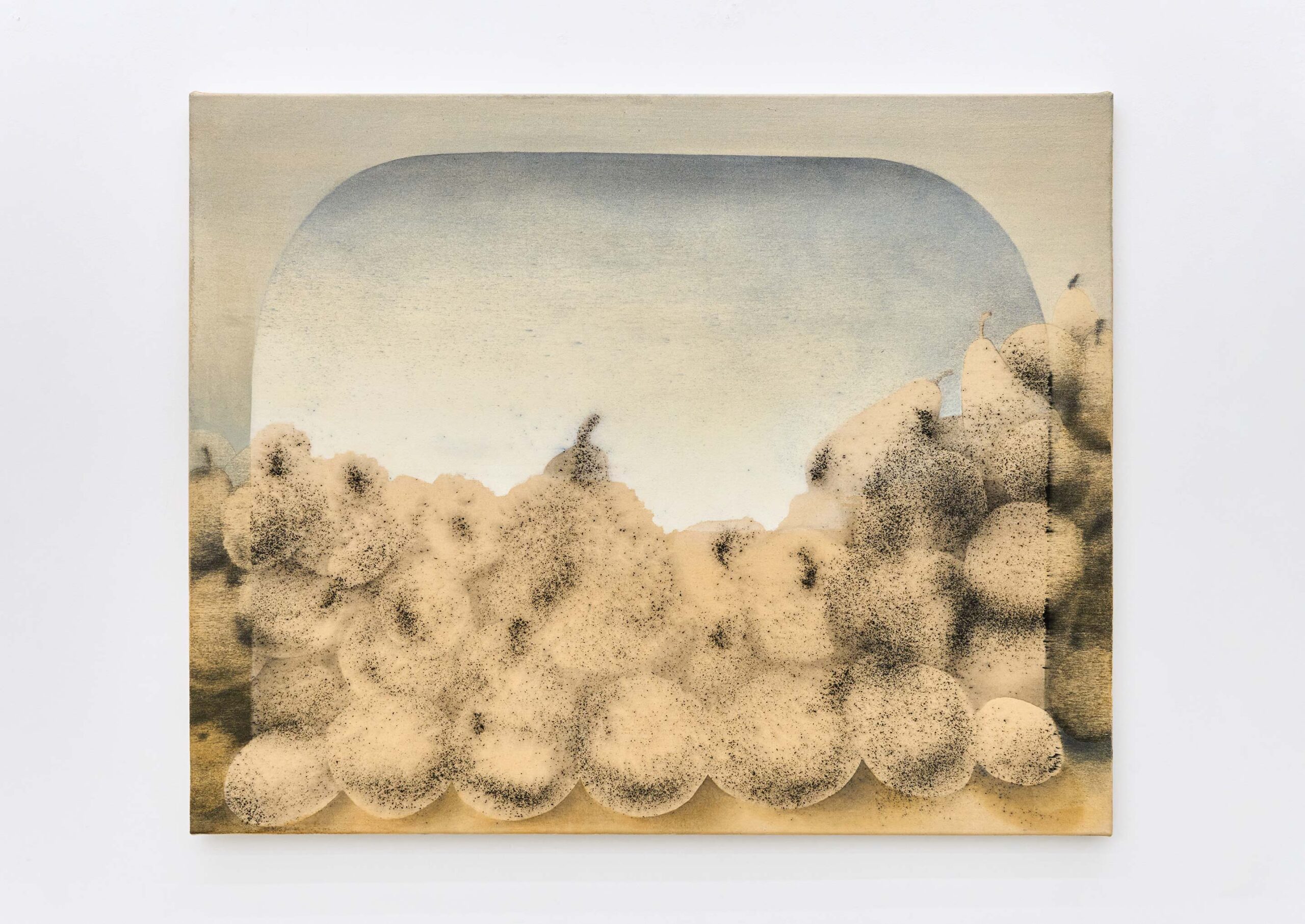
에밀 우르바넥은 프라이머가 마르지 않은 캔버스에 채에 걸러진 흑연 가루를 뿌리고, 그 위로 아크릴과 유화 물감을 얇게 올려 검은 흔적들을 번지게 만드는 방식으로 이미지를 묘사한다. 작가에게 화면은 통념적 가치의 높낮이가 균형을 잃는 지대이자 은밀한 양태가 두루 환영받는 영역이다. 그는 아치형의 테두리 또는 그것과 유비를 이루는 도상의 윤곽을 활용해 틀을 형성하고 그 안에 정체가 불분명한 대상들을 배치한다. 주로 인간과 동물 중간쯤으로 보이는 하이브리드 존재와 서양배의 형상이 반복적으로 포착되는데, 이들은 한쪽으로 쉬이 해석되기 어렵거나 소비의 주류에서 벗어난 개념들을 대신한다. 이내 화면 속 개체들은 투명 컨테이너와 흐릿한 흑연 자국을 따라 느슨하게 유희하며 알을 깨고 부화하는 생명처럼 낮은 명도의 장막을 언제든지 침범할 수 있을 것처럼 보인다. 우리는 그 앞에서 경계의 안팎은 진정 어디인지, 그렇다면 아치를 빠져나가야 하는 것은 누구인지 질문할 수 있을 것이다.
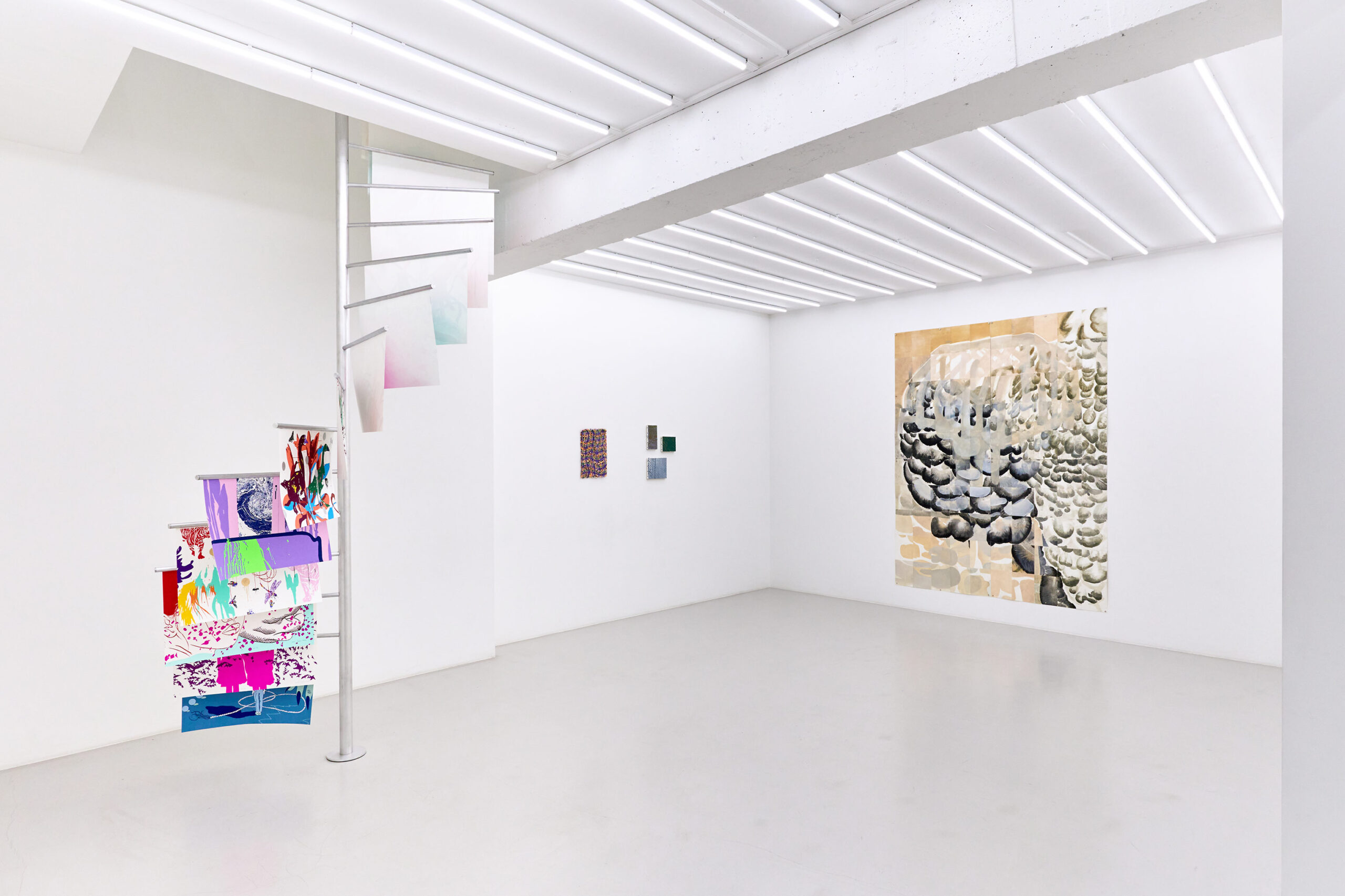
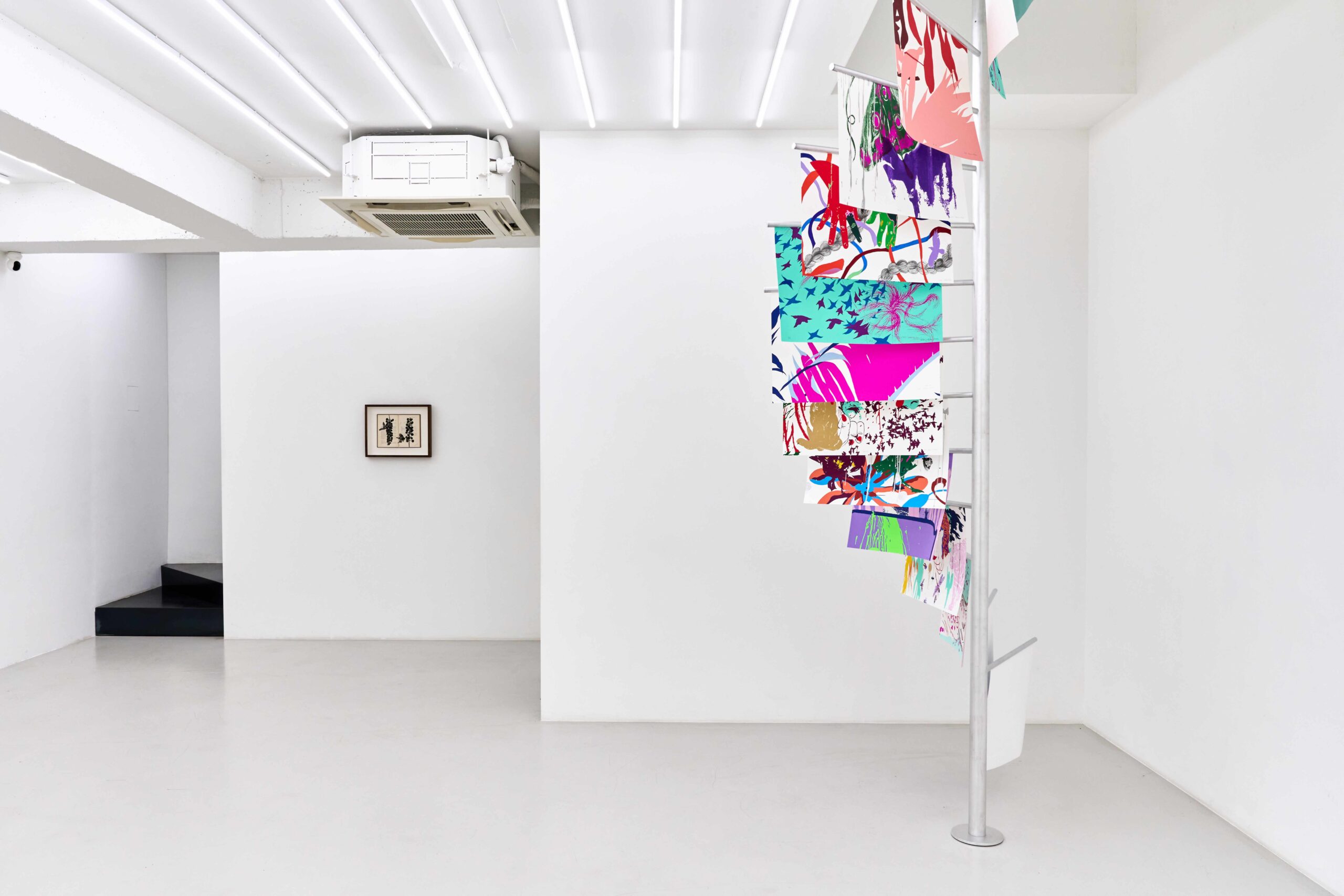
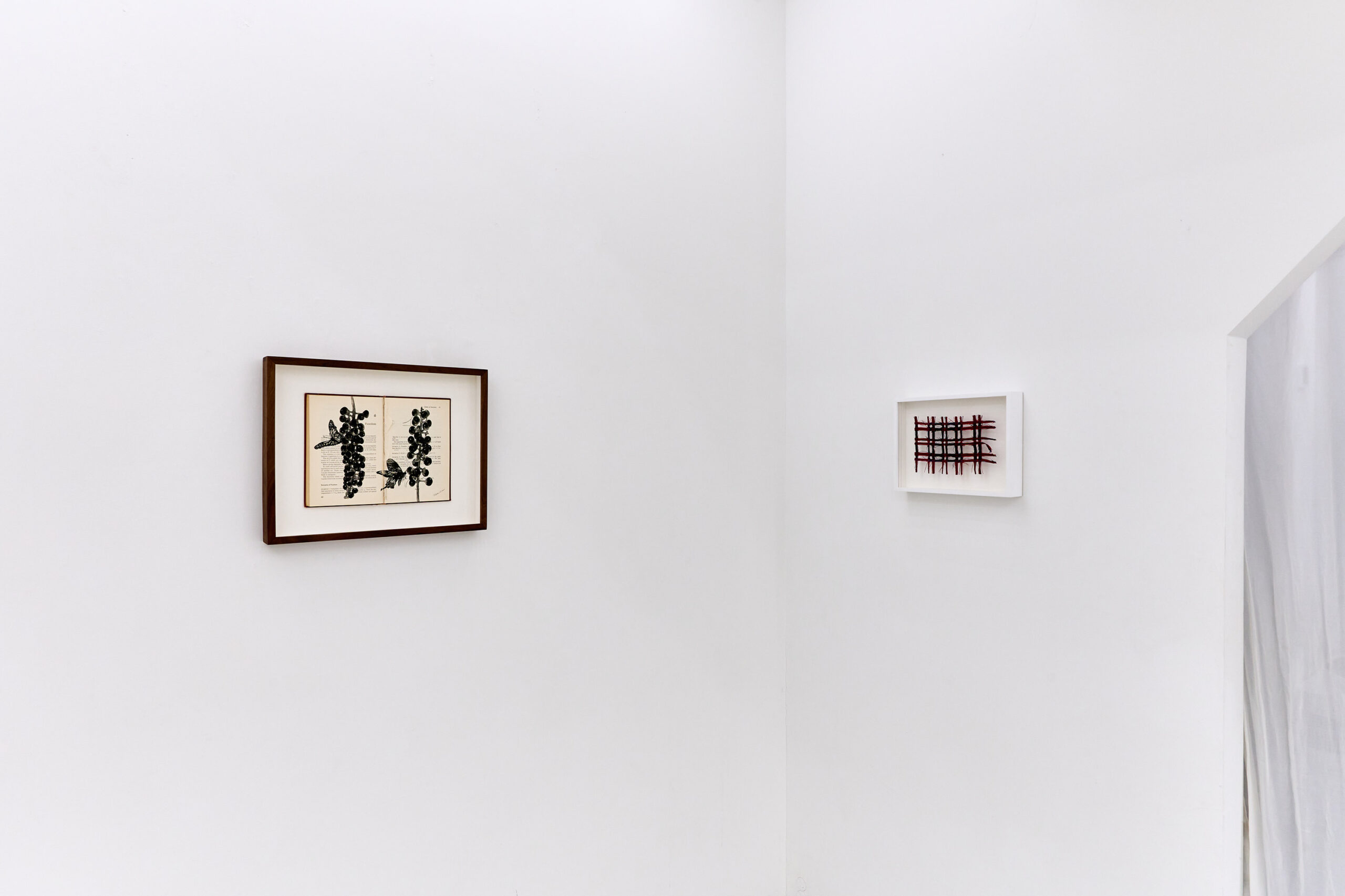
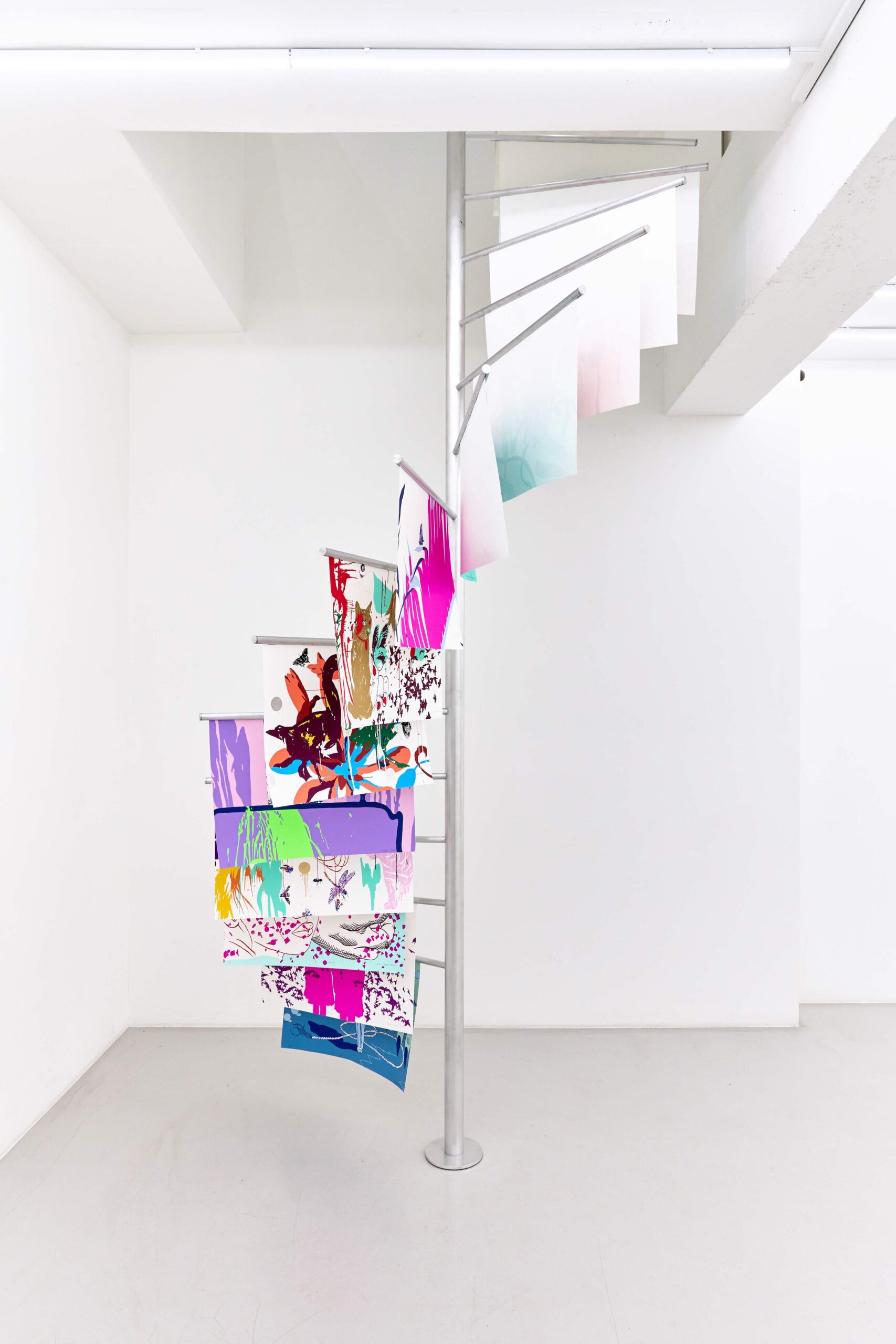
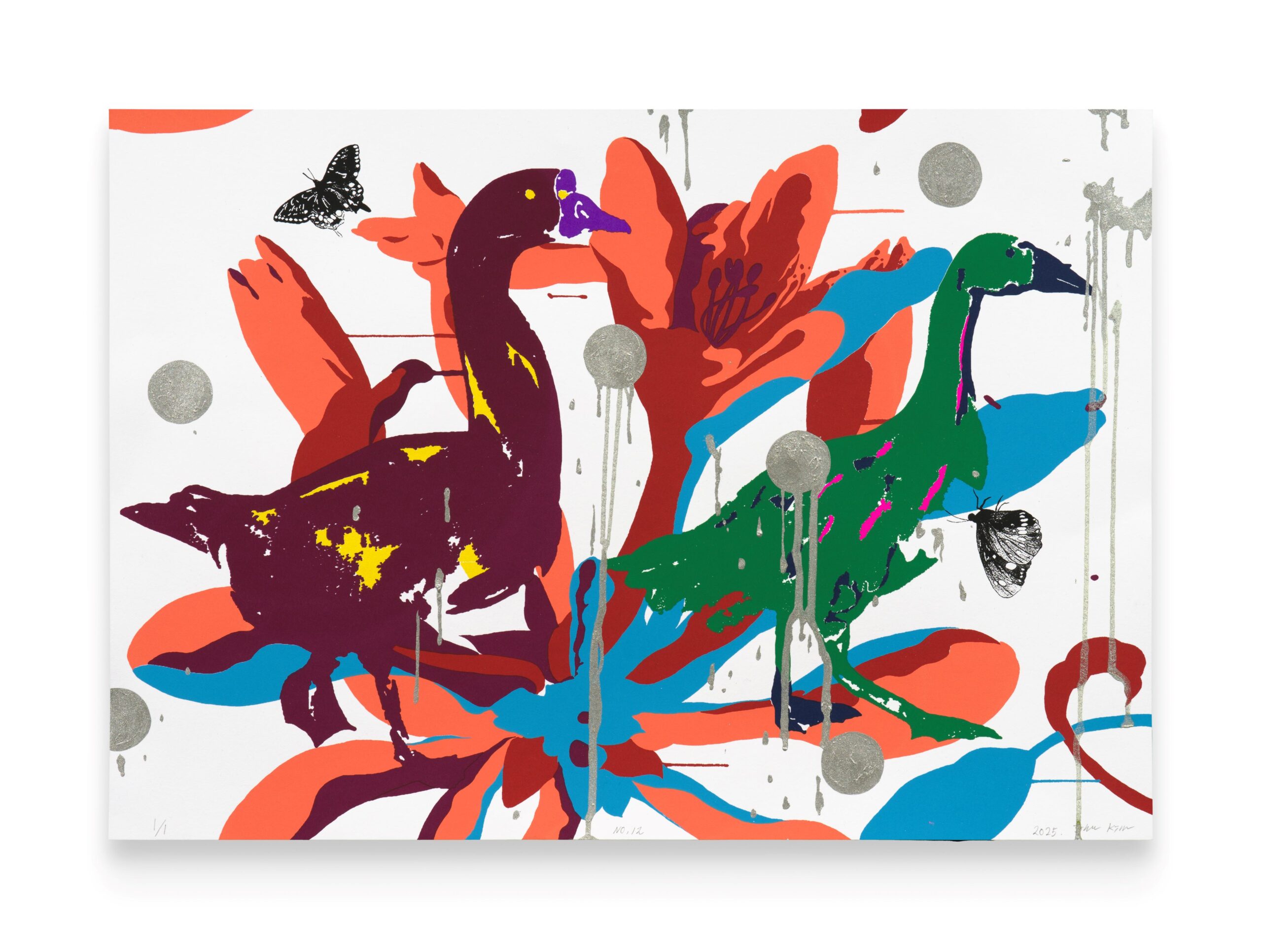
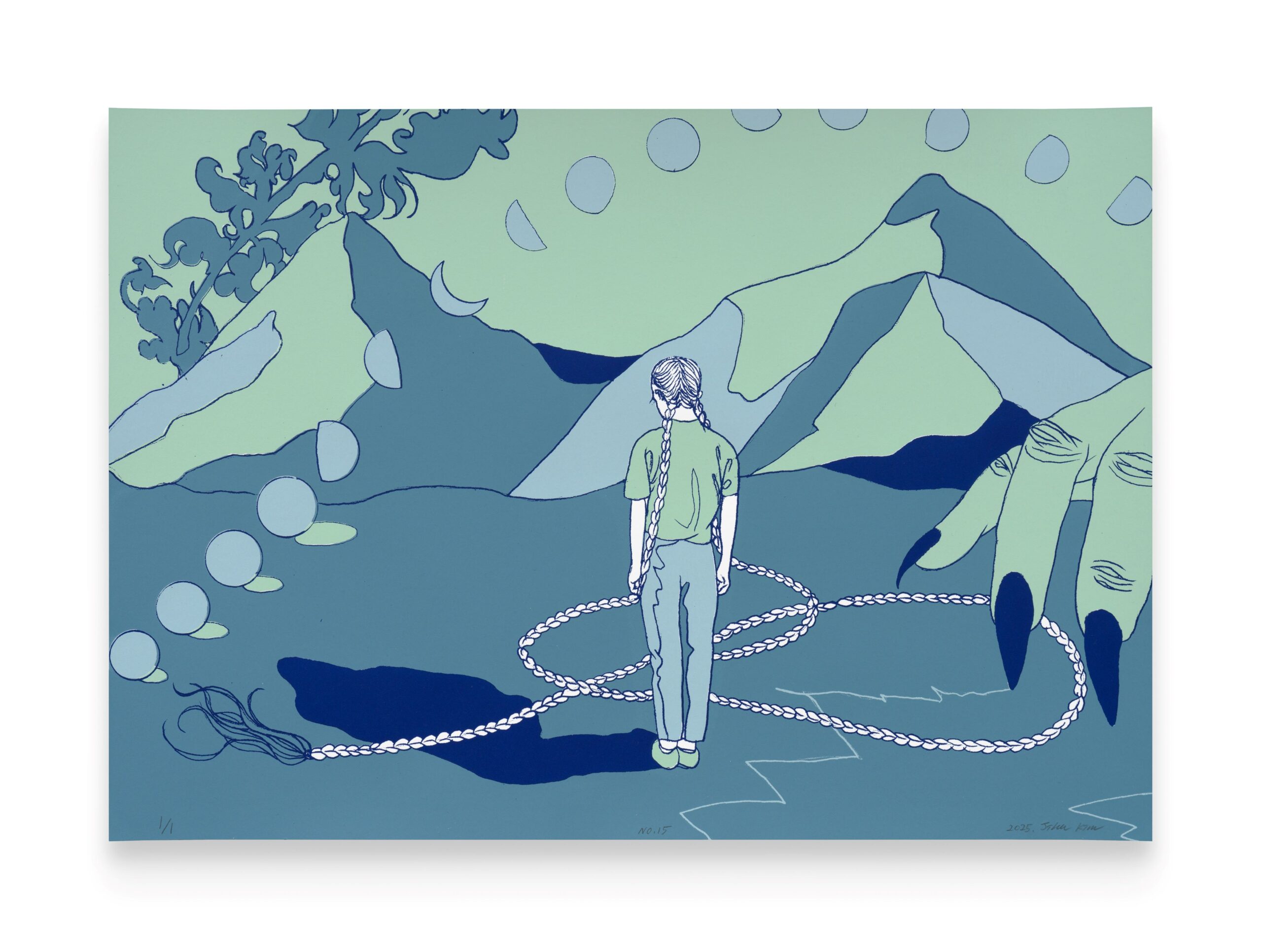
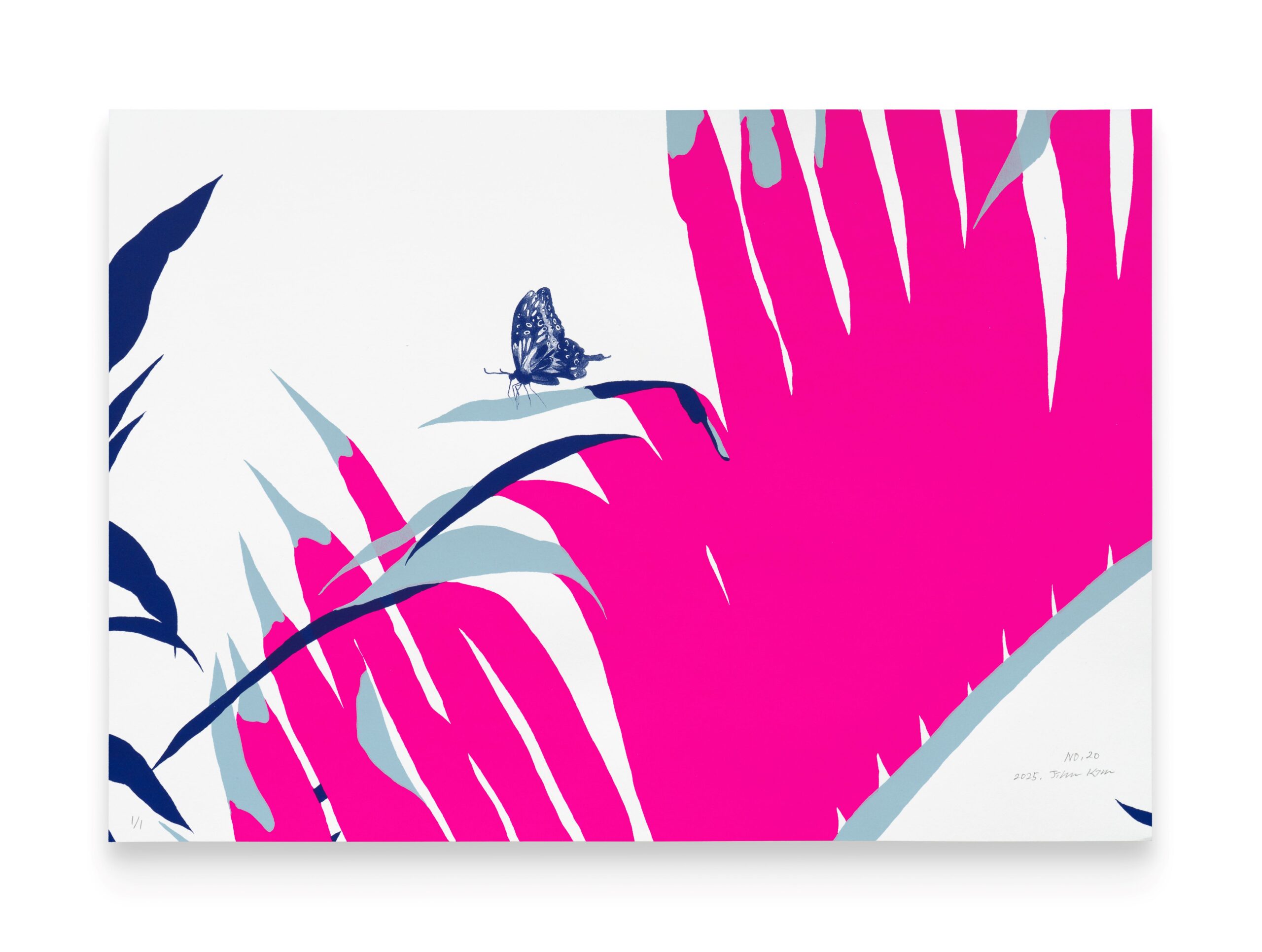
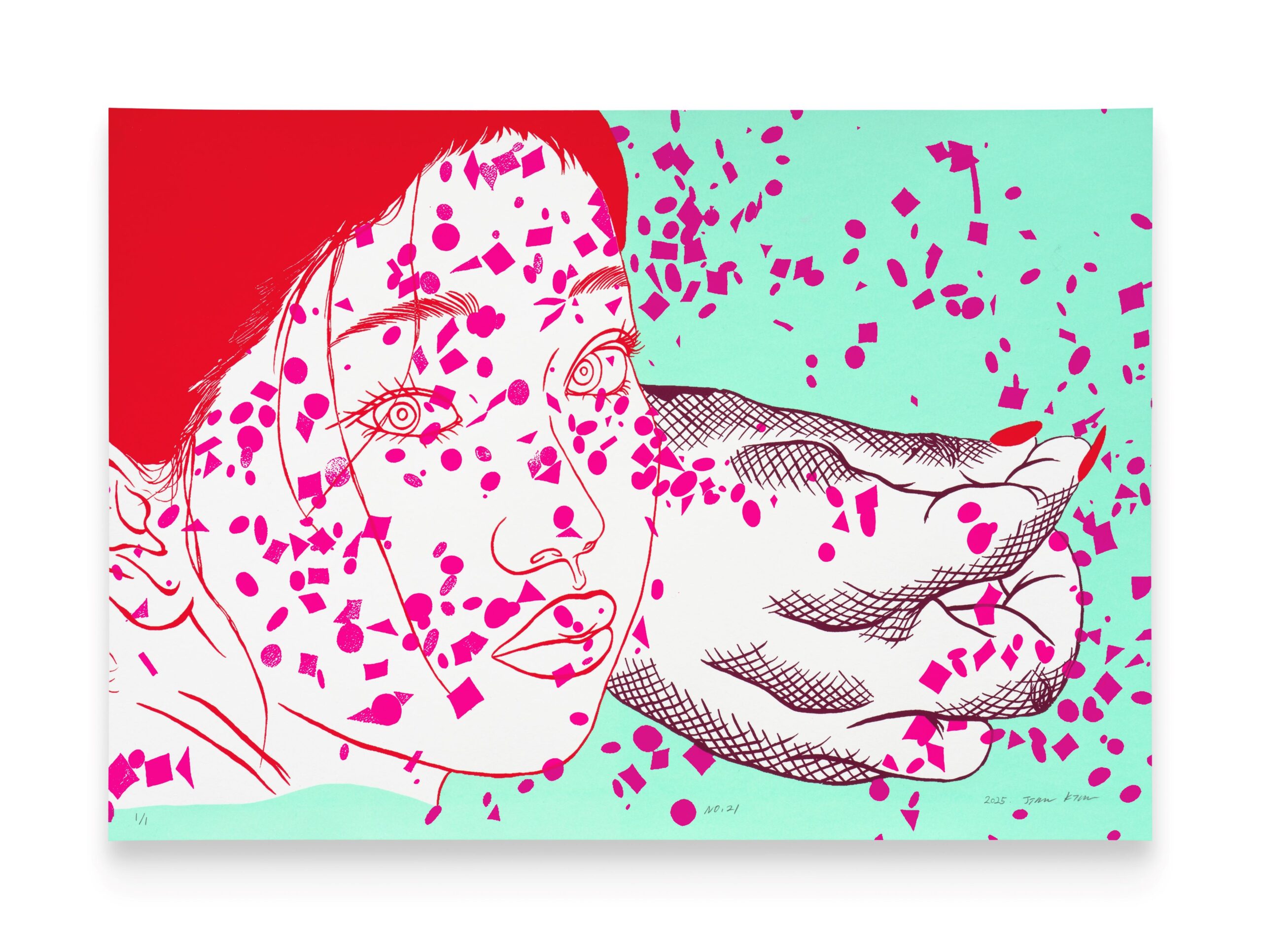
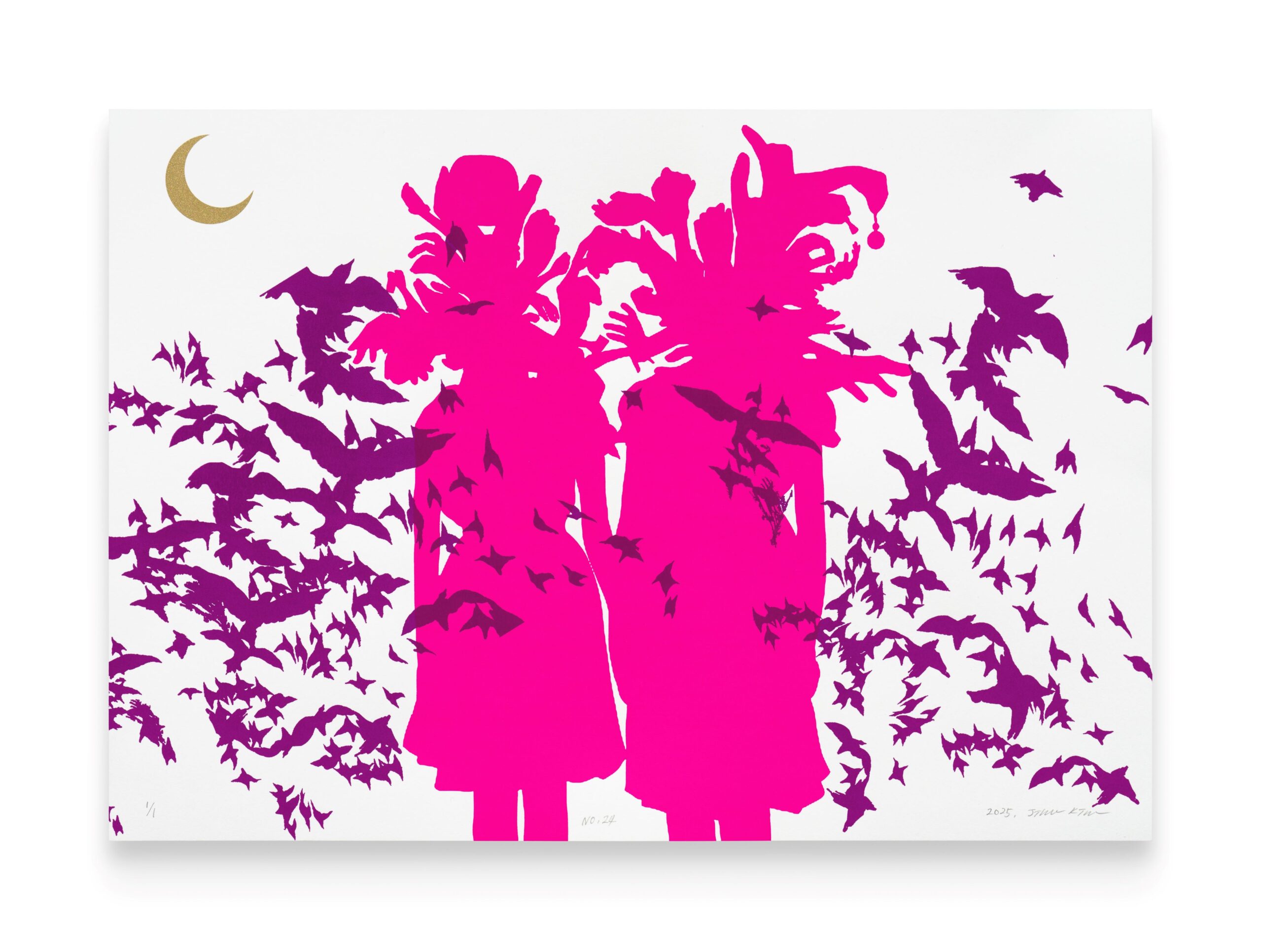
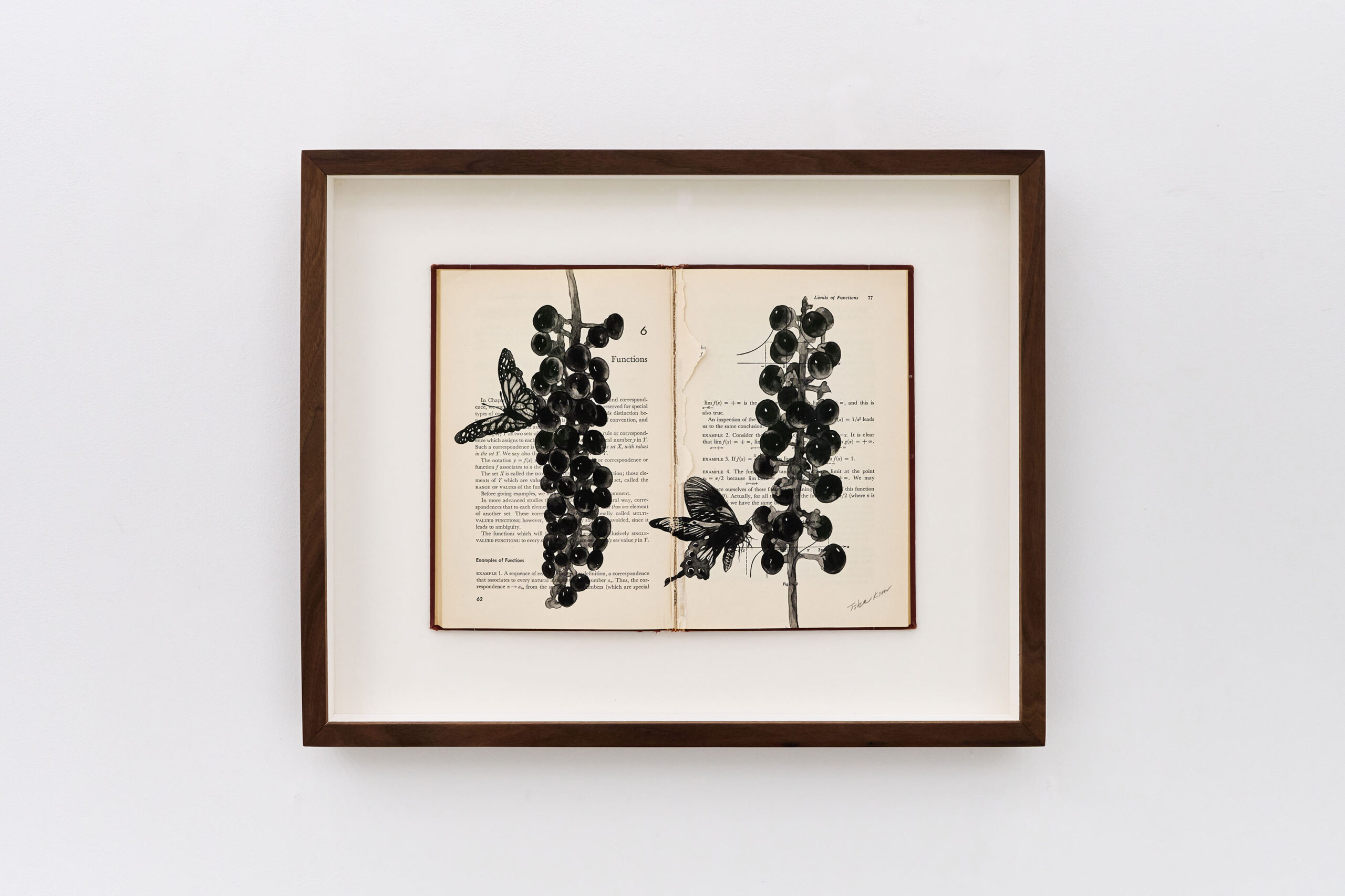
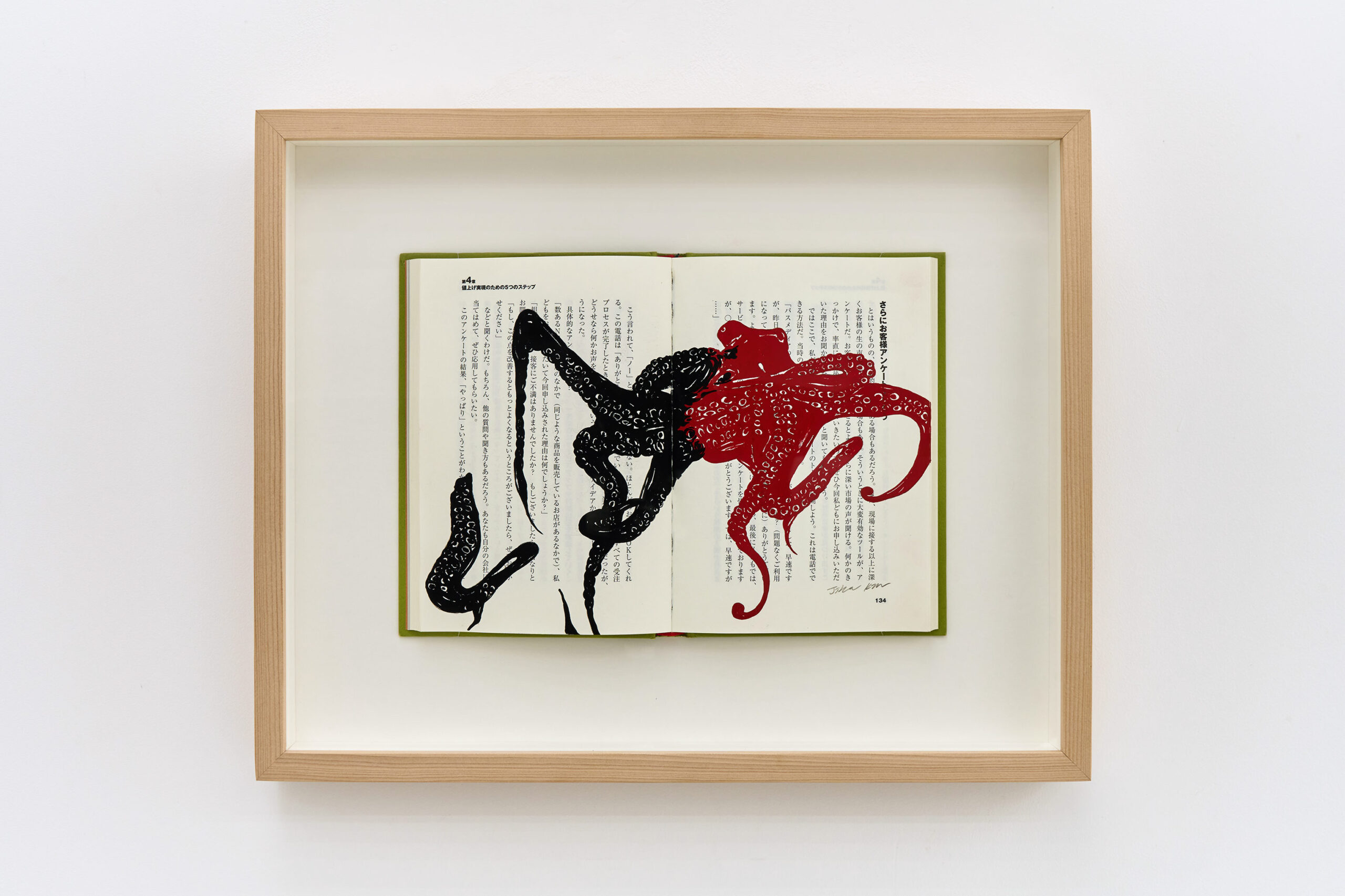
지희킴은 한 차례 가공된 화면을 표면 삼아 새로운 이미지를 제작한다. 가령 여러 도시에서 기증받은 도서를 활용한 북드로잉 시리즈는 무작위로 펼친 페이지에 원본과 무관한 이미지를 덧댄 작업으로, 작품의 제목과 동일한 특정 단어를 단초 삼아 그로부터 연상되는 풍경을 단편적으로 그려낸 결과물이다. 이는 소수에 의해 편집되고 기록된 지적 산물에 대한 일종의 저항이자 내재된 본능적 감각을 빠르게 풀어내기 위한 시도였다. 한편, 전시장 두 층을 관통하는 <소문은 열병이었고, 배신은 용서였다.>(2025)는 작가의 오랜 기억과 무의식에서 비롯된 일기로부터 출발한다. 내면을 잠식해 온 원인불명의 자극을 기록한 분절된 서사의 마디들은 괴담이나 신화 같은 장면으로 번역된 한 권의 펼쳐진 그림책이 된다. 인과성이 모호한 낱장의 판화로 엮인 비밀은 그대로 발설되거나 작가의 과감한 스트로크로 일부 감추어진 채 관객에게 전달된다. 이처럼 지희킴의 작업에서 수행되는 회화적 줄다리기는 그의 표면이 담지하는 메시지와 끊임없이 반응하며 조형적 쾌를 꾀하는 과정을 암시한다.
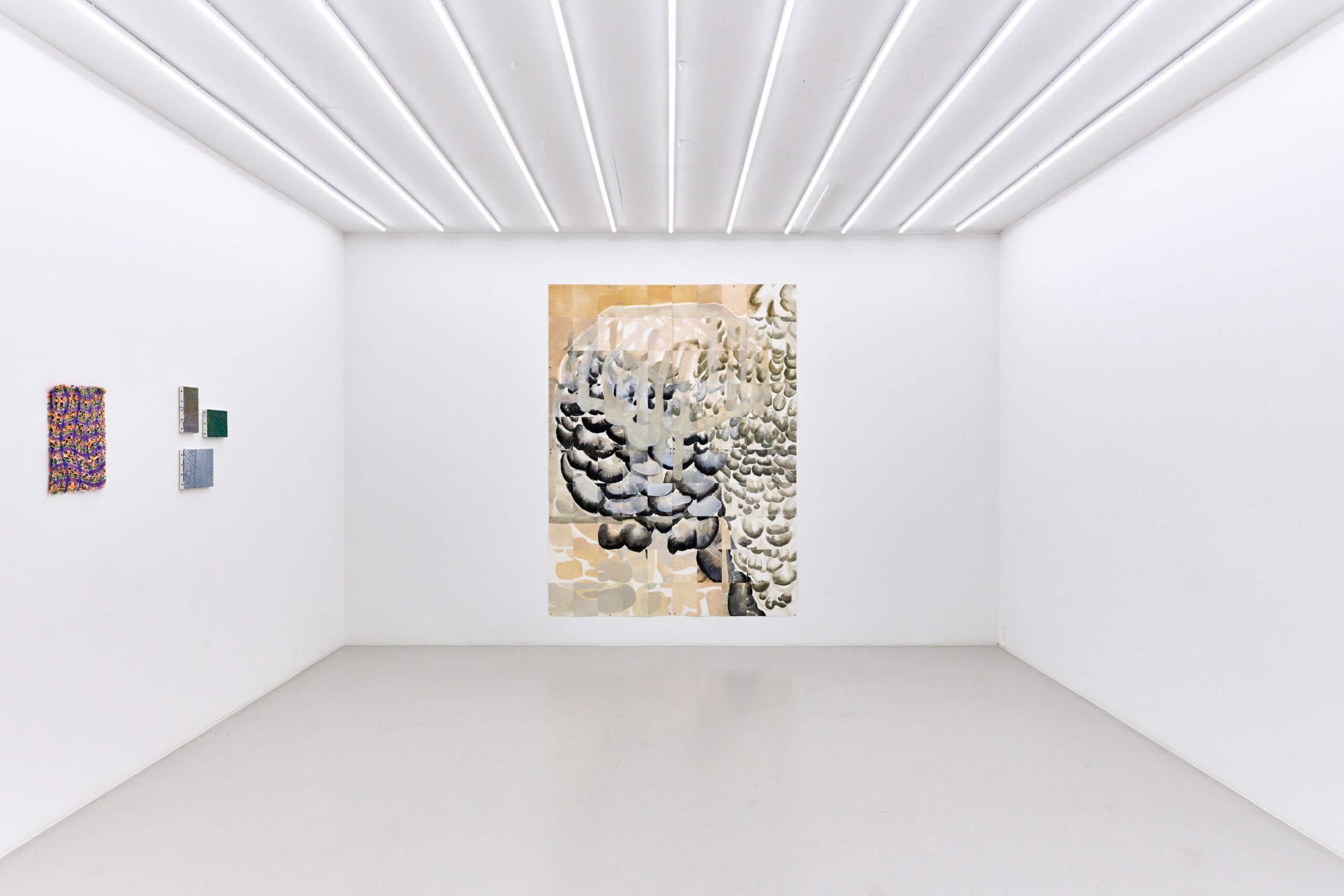
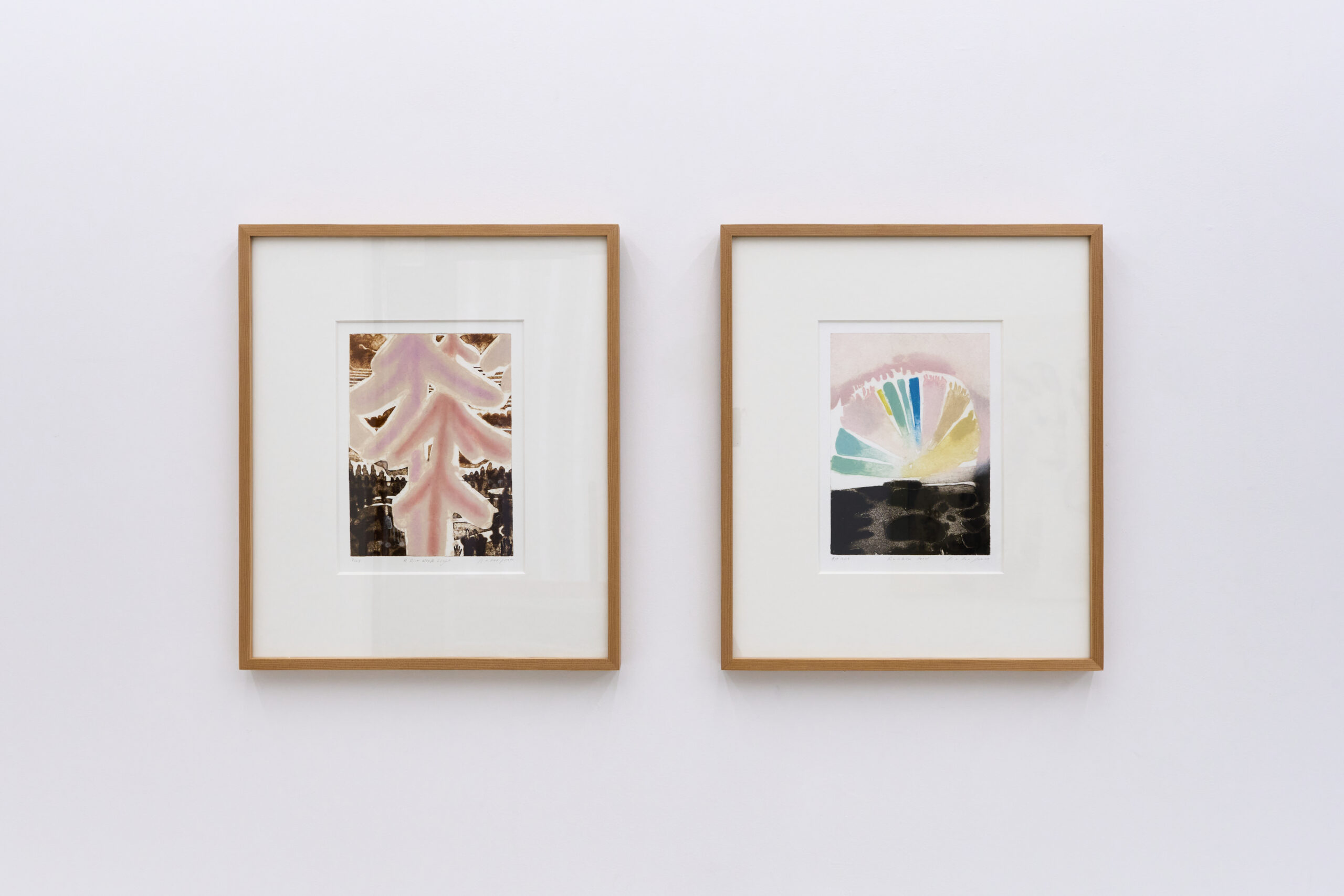
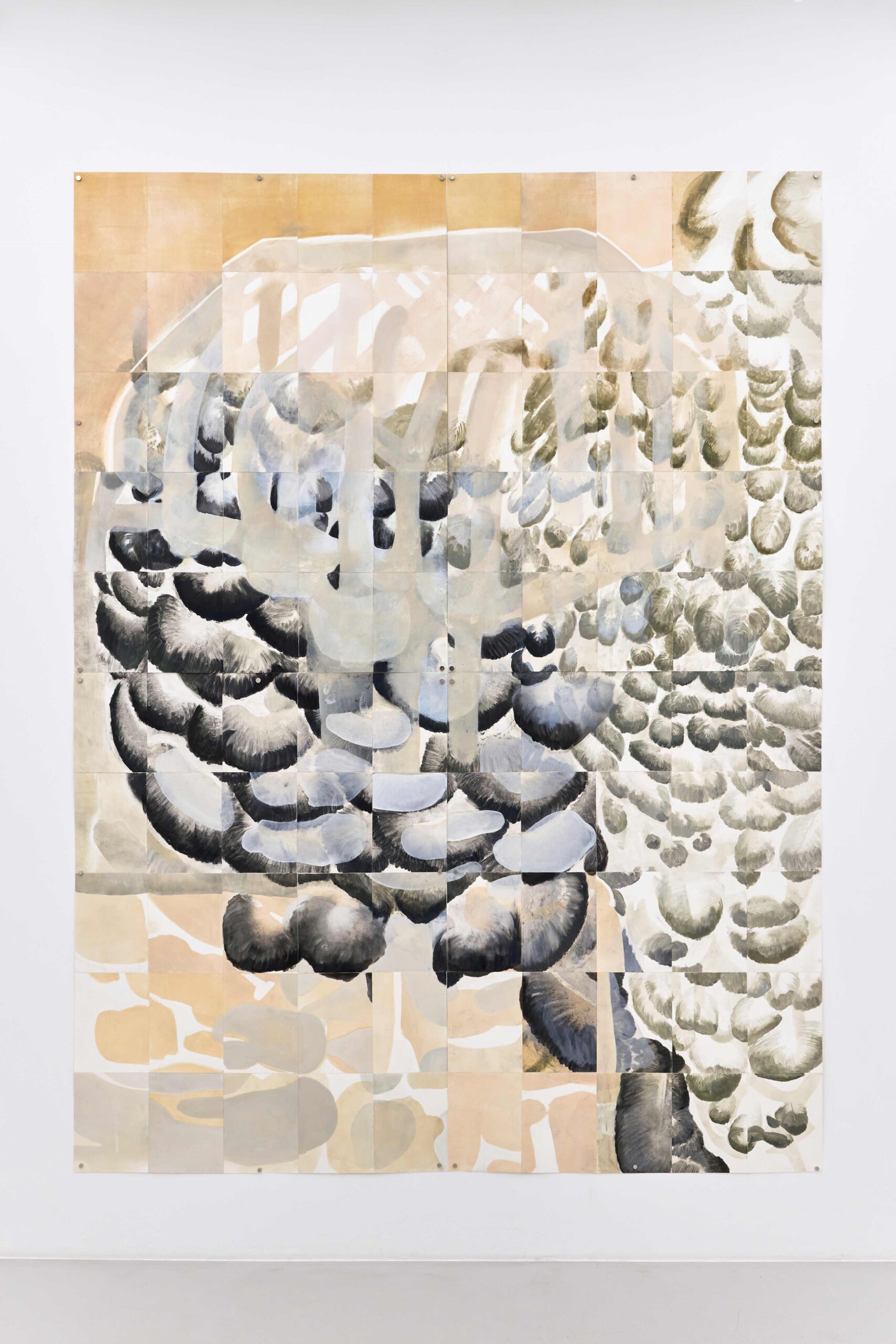
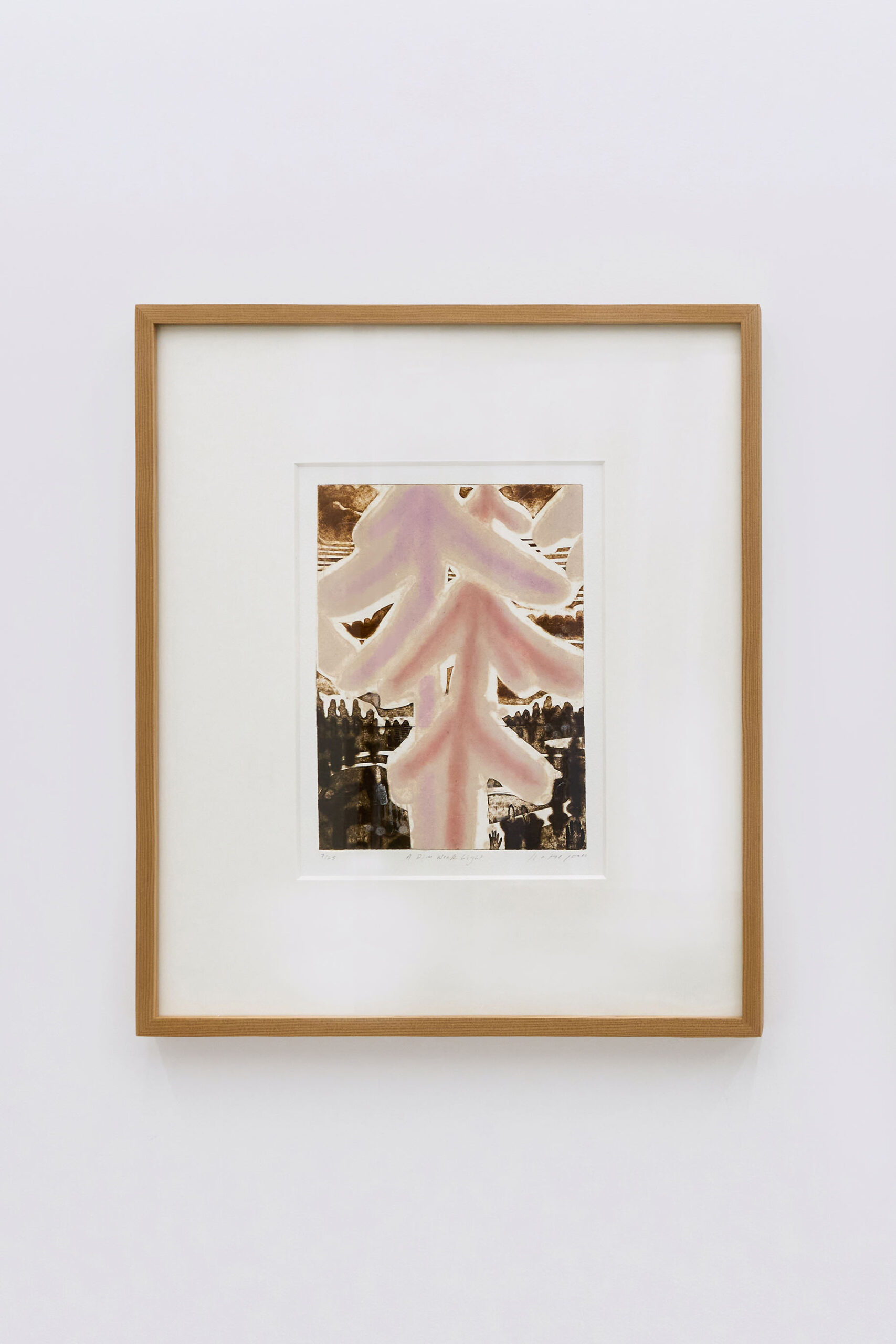
캐서린 존스는 일상에서 감지되는 크고 작은 사건에 촉을 세우며 이를 은유적으로 전달하는 시각적 발화 방식을 고안한다. 작가는 주로 자연이라는 보금자리에 내면을 투영하고, 그로부터 연상되는 것들은 판화라는 고유한 방식을 활용한 추상적 풍광으로 재연한다. 예컨대 그가 나고 자란 시골에서 관찰한 꽃, 나무, 산 등의 모티프는 종종 기호화되거나 일순간 섬광처럼 번지며 자연물이자 움직이는 생명체, 어렴풋하게는 건축물을 닮은 모습까지 덧입는다. 그밖에 어린 시절 읽었던 동화 속 주인공, 여행지에서 마주한 백야, 길가에 움트는 씨앗 같은 내밀한 단서가 더해지면서 향수와 온기로 가득한 화면의 원천이 된다. 도상들의 유기체적 특성은 기존의 판화 기법과 달리 단 한 번만 찍어낼 수 있는 모노프린트를 이용해 제작한 100장의 원본을 이어 붙인 <Thin Skinned>(2021)에서 드러나는 연속된 모양들의 군집과도 닮아 있다. 새의 깃털 또는 식물의 이파리, 나아가 돌무덤 같기도 한 형태는 분절된 화면의 특성을 말미암아 구축한 작가만의 은신처와도 같다.
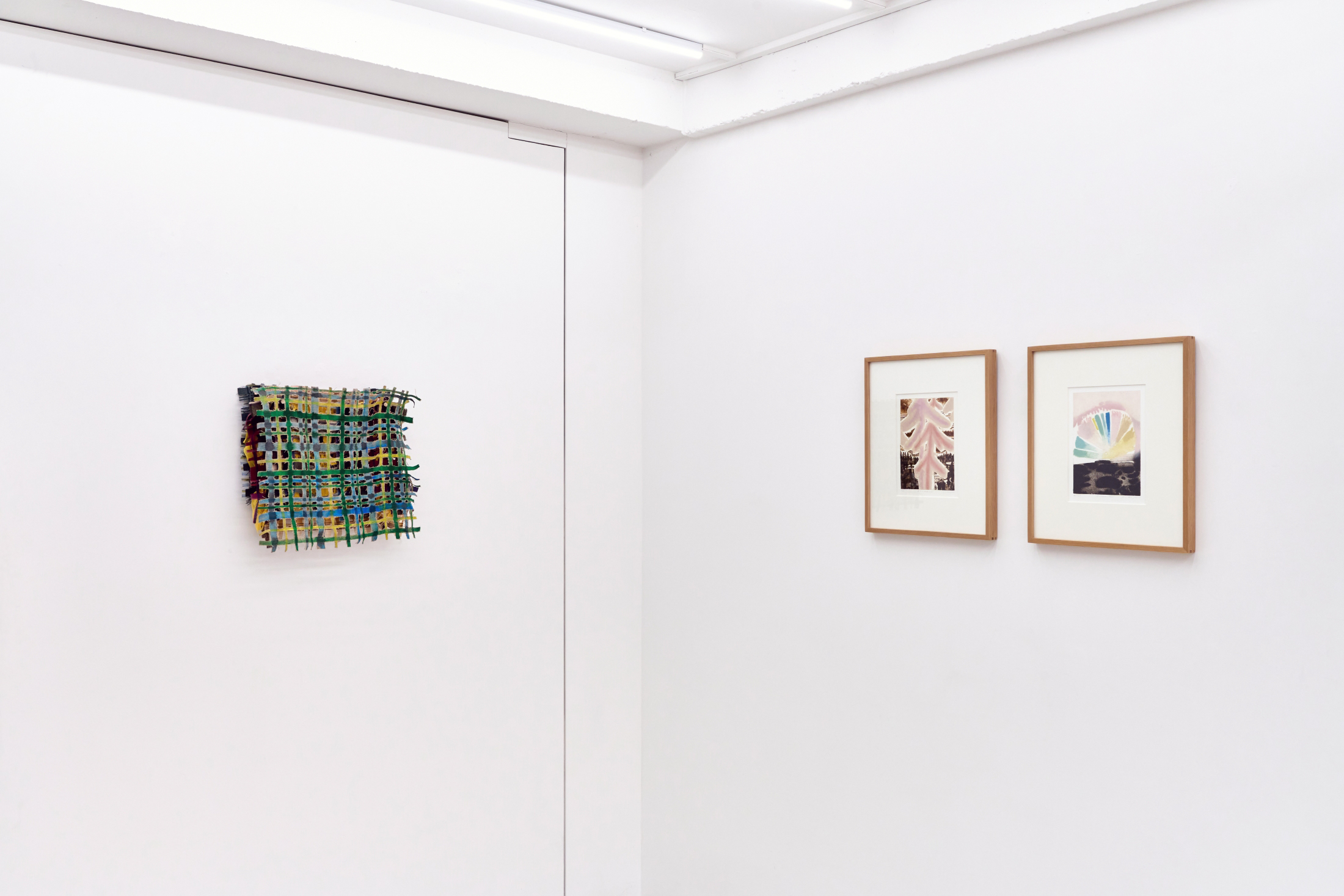
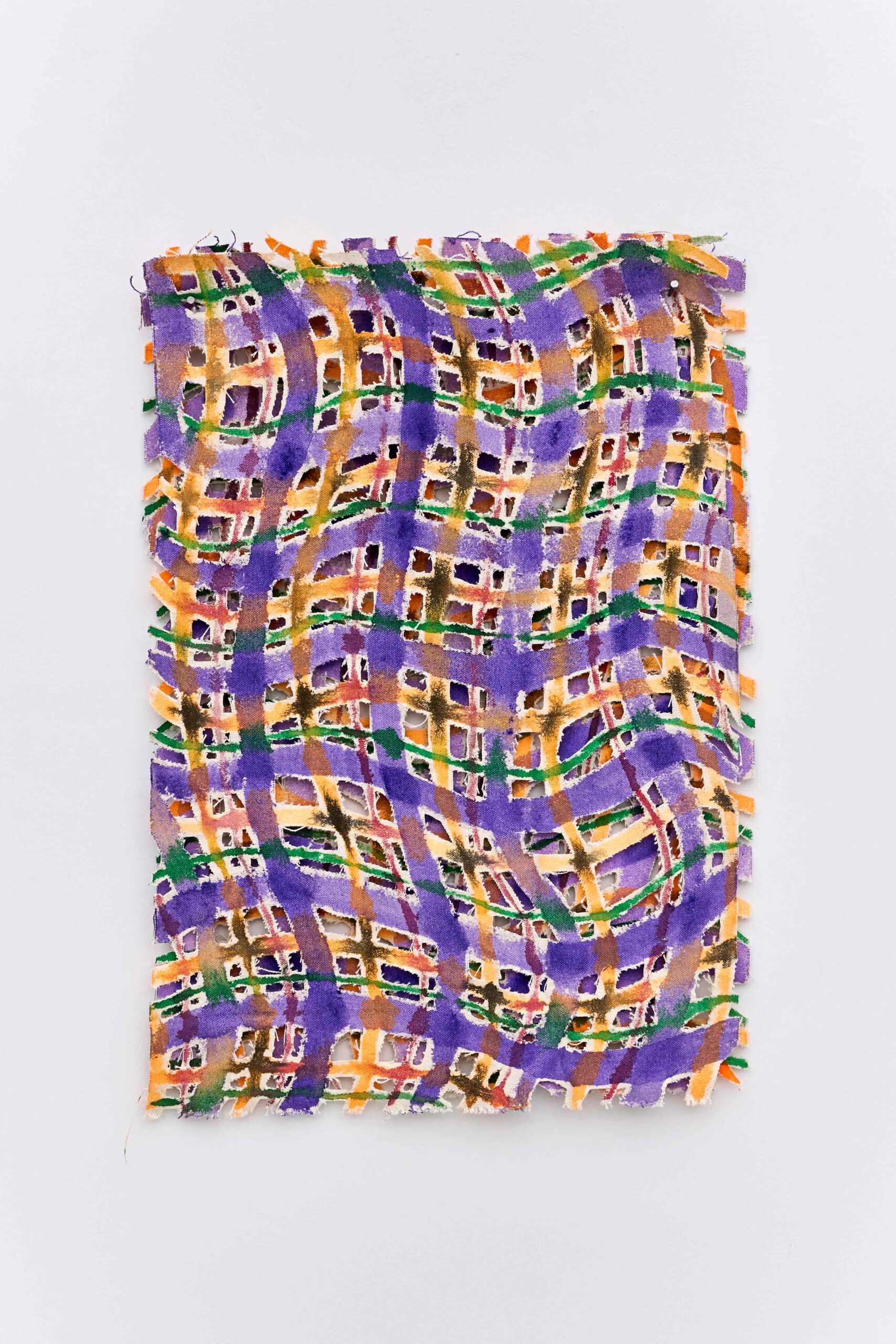
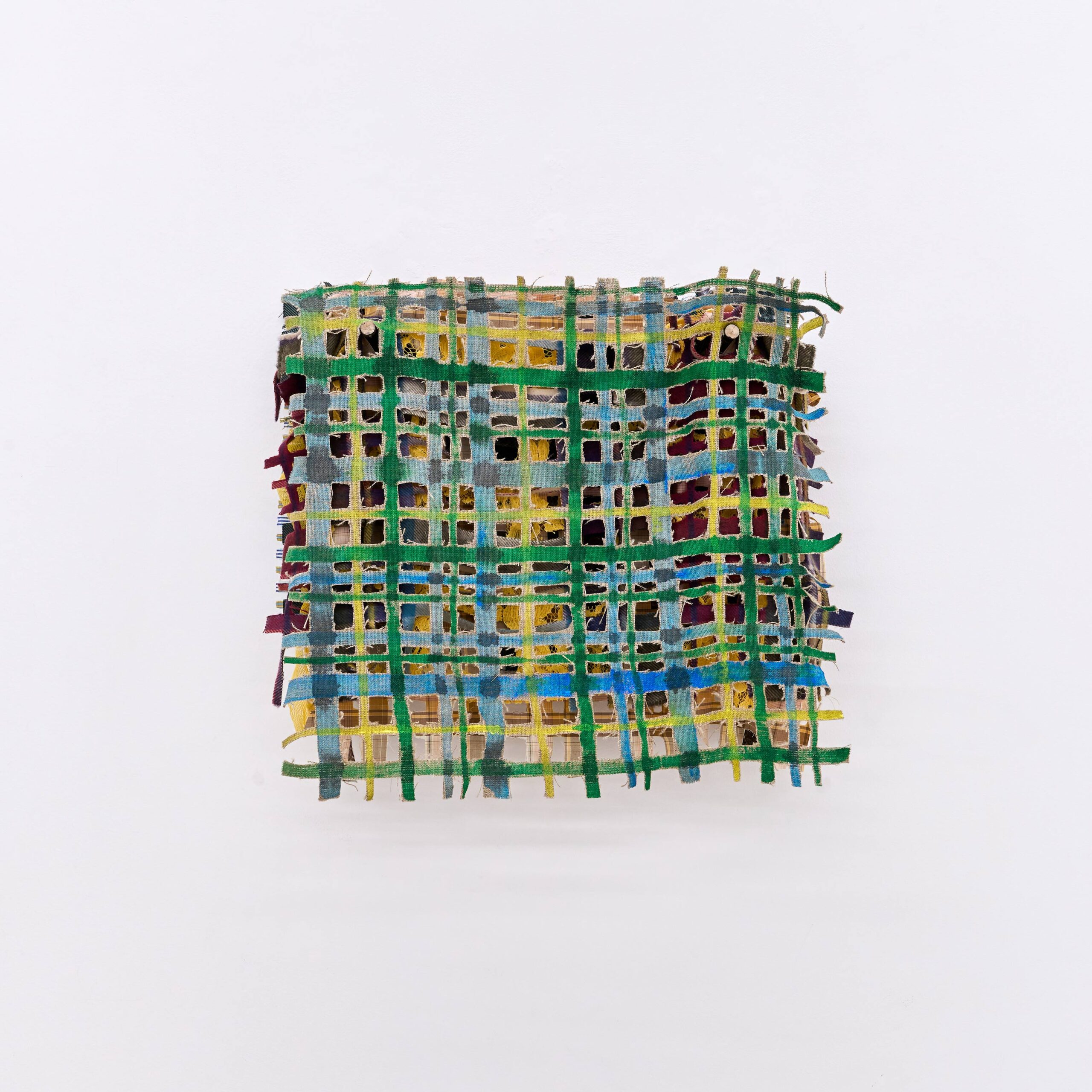
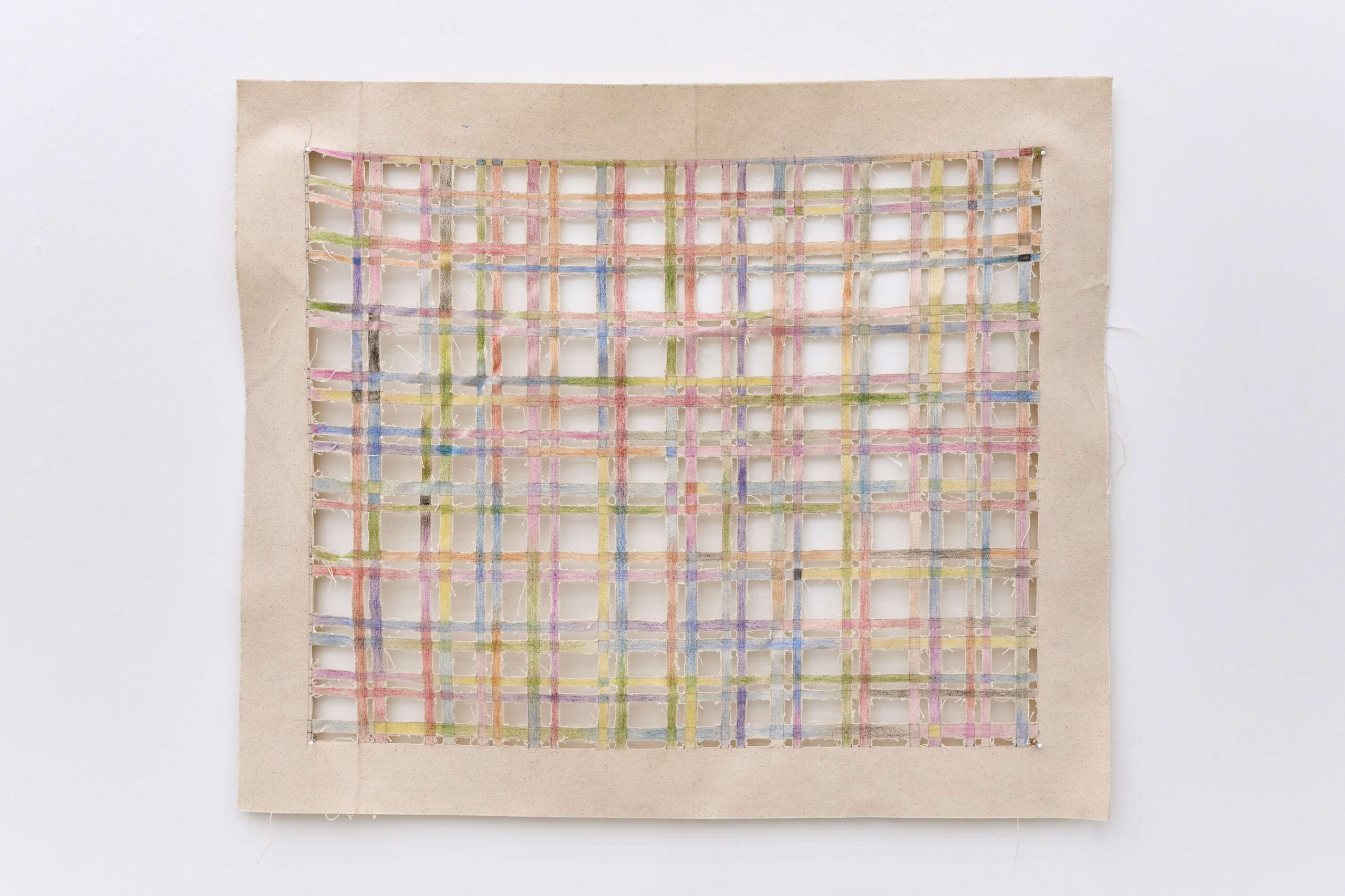
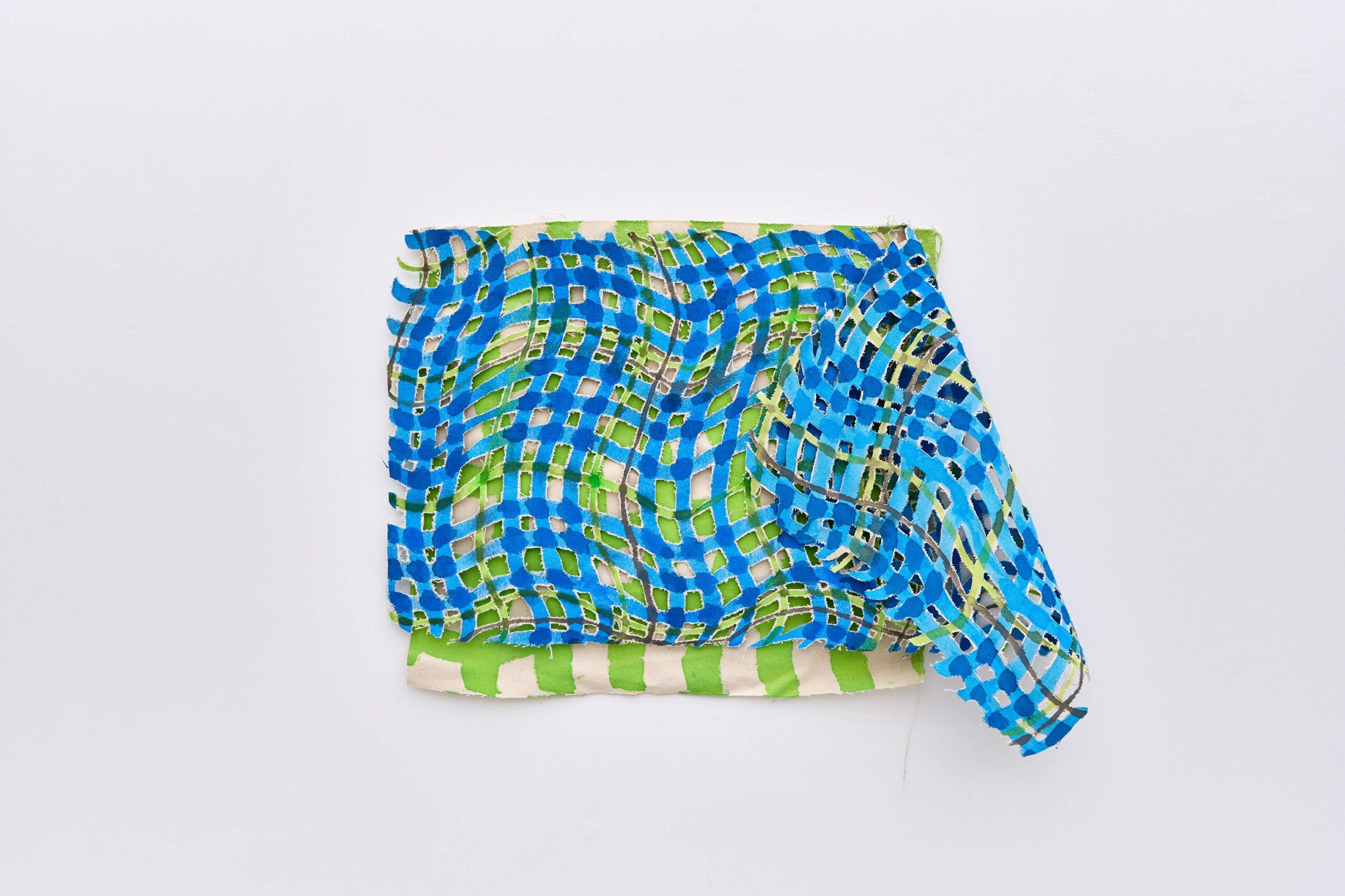
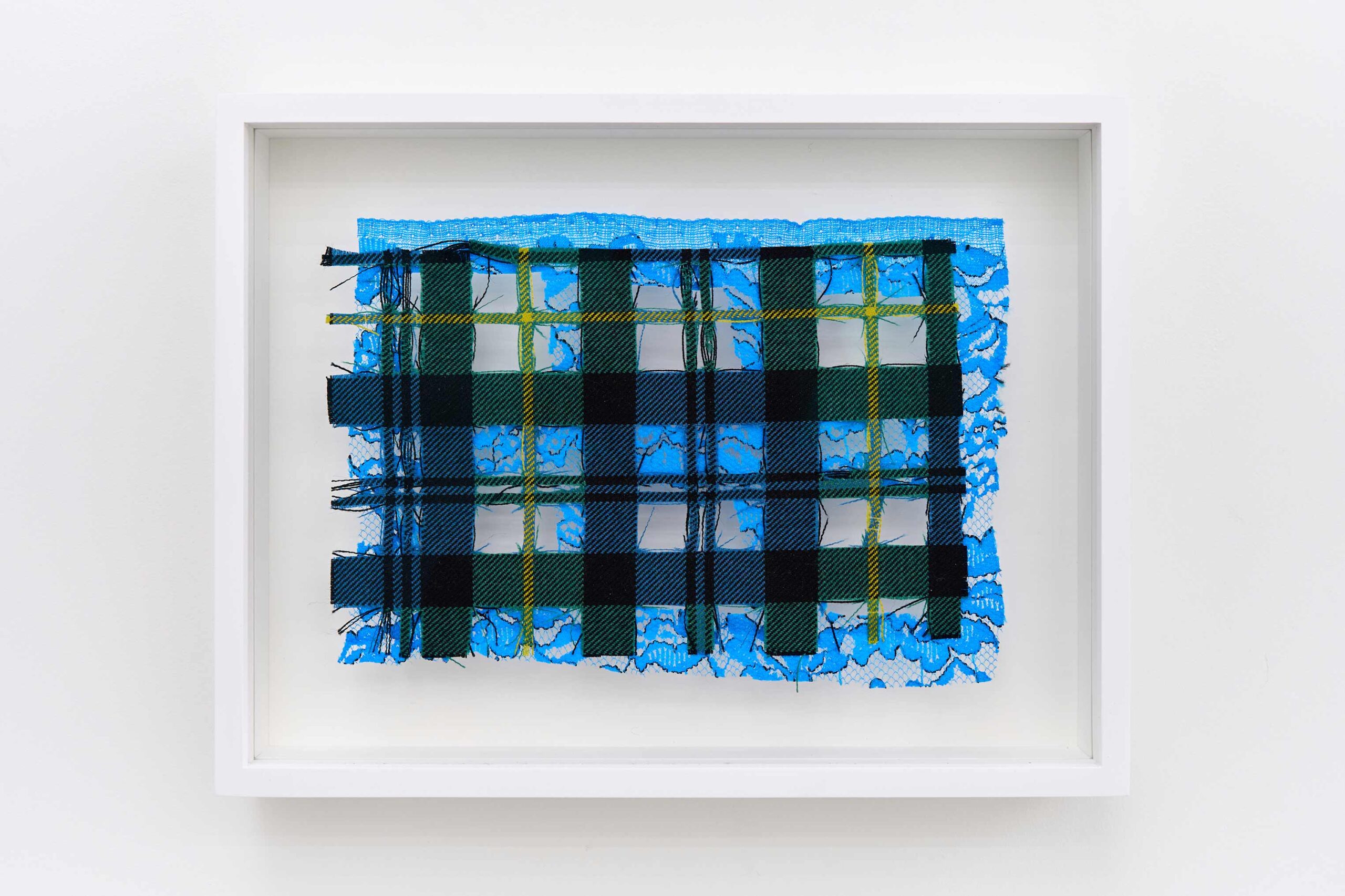
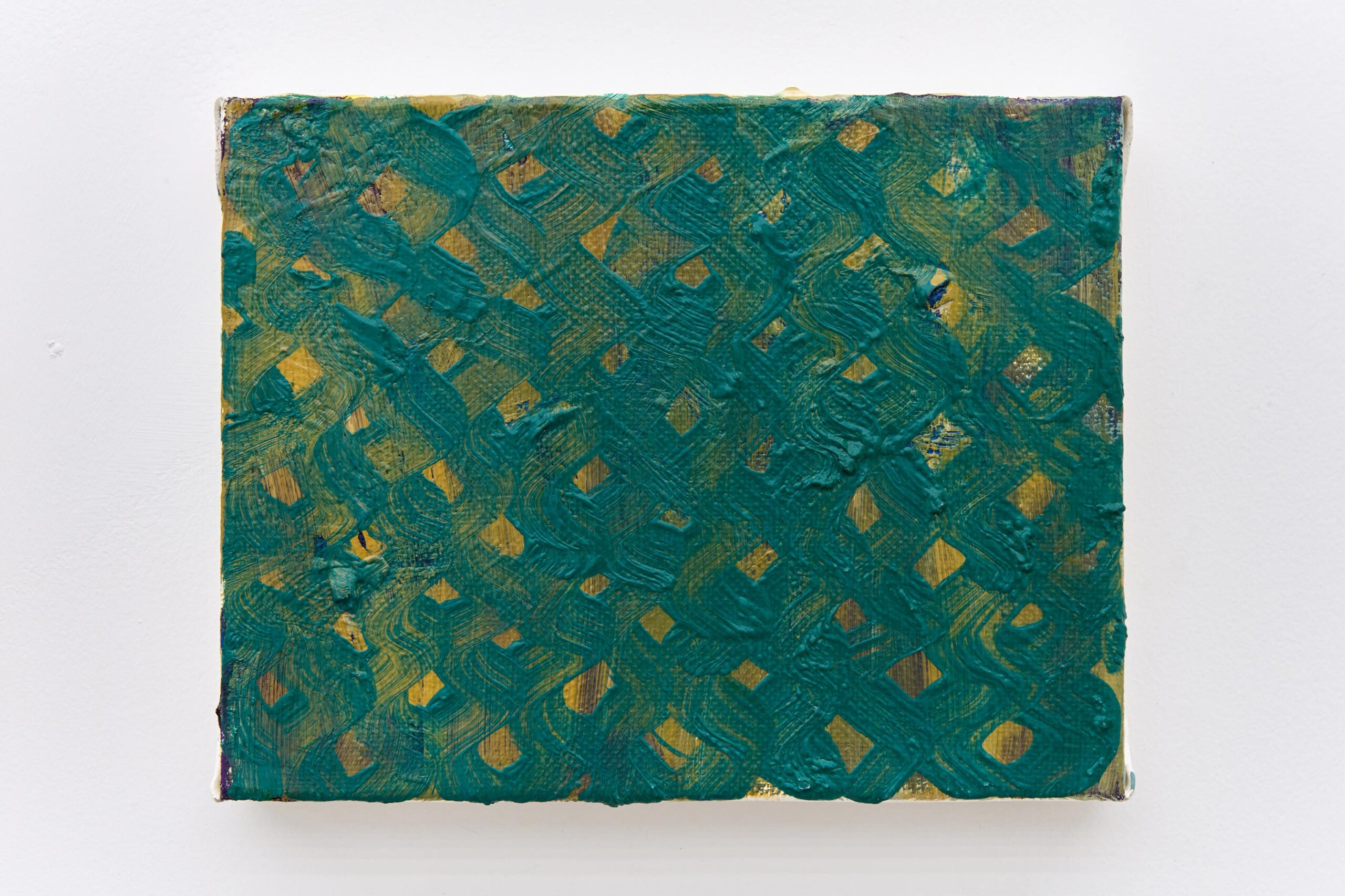
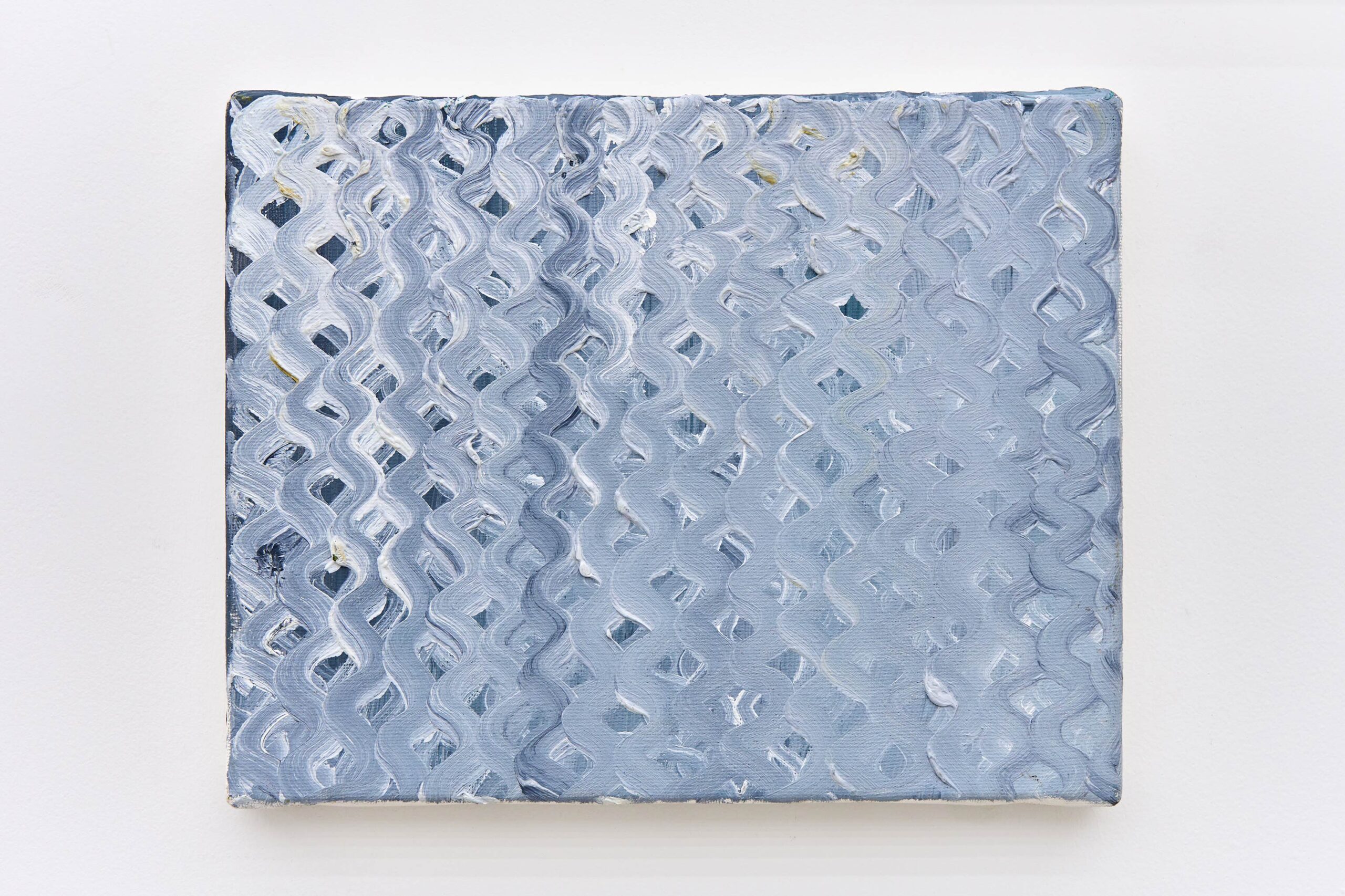
김미영은 오랜 기간 화면의 내부와 외부를 잇는 표면의 역할에 천착해 왔다. 과거 그가 그려낸 창살무늬의 리듬 — <The Whitest Thing in the World>(2013), <Beyond>(2013) — 은 관람자의 시선이 면에 닿는 시차를 조성하고 그 뒤에 가려진 공간을 상상하게 하였다. 한편 최근 작가는 스코틀랜드에 머무르며 격자나 레이스 등 다양한 패턴으로 이루어진 천 원단을 수집하고 이를 오려내기 시작했다. 이제 그는 두터운 지반이 얇은 피륙으로, 붓이 가위와 칼로 바뀌는 과정을 지나 비로소 표면을 향한 시선을 정면에서 거두기로 한다. 그리고는 작업을 이루는 면면을 사방에서 가늠한 후 허공에 매달거나 상이한 리듬으로 겹쳐 내며 우발적으로 형성되는 공간감을 전에 없이 탐색하는 것처럼 보인다. 캔버스 프레임에서 탈피한 표면을 자유롭게 거치하고 그 안에서 증식하는 삼차원적 화면을 충돌시키는 전략은 그가 오랜 기간 연구해 온 회화의 물리적 깊이를 다변화하는 방향으로 수렴되어 갈 것으로 보인다.
글ㅣ이유진 (디스위켄드룸 어시스턴트 큐레이터)
In Scratching Surface, Emil Urbanek(Germany), Jihee Kim, Katherine Jones(UK), and Meeyoung Kim examine the relationship between the image and the medium’s “surface” in their own languages, and connect it to the conceptual center of the work. The surface of an artwork, as we know, serves as the realm that shapes the artist’s arbitrarily constructed universe and evokes various forms of sensitivity. It is a palpable space that invites us to experience the narrative of the work, which is enriched by the degree of exposure and concealment of the background, the order and orientation of its arrangement. The artists experiment with varying thicknesses and shapes of supports, sometimes fabricating them themselves as needed, and detail their methodologies to reach the finished screen. The exhibition seeks to observe the tensions and moments of organic transition that arise between these various experiments and respond to the new visual structures and layers of sensation thought to be from them.
Emil Urbanek portrays images by sprinkling sifted graphite powder on primed canvases, then applying thin layers of acrylic and oil paint, smearing the black traces. For Urbanek, the canvas serves as a space where the conventional values of height and depth are disrupted, and where covert modalities are embraced. The artist employs arched borders or the outlines of figures that echo them, to form a frame within which they place unidentified subjects. Hybrid beings between humans and animals, as well as the shape of pears, symbolize concepts that resist easy interpretation or fall outside the realm of mainstream consumption. Soon, the entities play loosely with transparent containers and blurred graphite marks, seemingly able to invade the low-light veil at any moment like something breaking an egg and hatching. In their presence, we might question where the boundaries truly lie, inside and outside, and who must pass through the arch.
Jihee Kim creates images using a once-processed screen as her surface. For example, ‘book drawings’ series which utilizes donated books from various cities are the works randomly opened pages overlaid with motifs that are unrelated to the original contents. The result is a fragmentary depiction of the landscape evoked by certain words, which become the title of the work. It is a kind of resistance to the intellectual product that is edited and recorded by a few, and an attempt to quickly release the artist’s visceral sensations. Meanwhile, Rumour was a Fever, Betrayal was Forgiveness.(2025) which occupies two floors of the exhibition hall draws from Kim’s long-standing memories and unconscious diaries. The fragmented narrative words that record the unexplained stimuli that have been eating away at the artist become an open picture book, unfolding scenes that resemble ghost stories or myths. The secrets woven with several prints featuring ambiguous landscapes are either openly revealed or partially obscured by bold strokes. This painterly tug-of-war in Kim’s artwork suggests a process of figurative pleasure that is constantly react to the messages her surfaces convey.
Katherine Jones devises a visual language that metaphorically reflects both the grand and subtle events she observes in her daily life. The artist often projects her inner life into nature, recreating what she encounters as abstract landscapes utilizing the method of printmaking. For instance, flowers, trees, and mountains that the artist observed in the countryside where she was born and raised are often symbolized or dispersed like flashes and transformed into natural objects, animate creatures, and even vaguely architectural figures. Other intimate clues, such as fairy tale characters from her childhood, white nights experienced during travels, and seeds growing on the side of the road, are added to the mix and become the source of scenes filled with nostalgia and warmth. The organic properties of the figures also resemble the clusters of continuous shapes in Thin Skinned(2021), a work of 100 unique pieces of monoprints that can be printed only once unlike the general printmaking technique. The forms which could resemble bird feathers, plant leaves, or even stone tombs, are the artist’s shelter constructed by the fragmented screen.
Meeyoung Kim has been exploring the role of the surface as a link between the inside and outside of the screen for a certain period. In the past, the rhythm of her grating patterns —The Whitest Thing in the World(2013), Beyond(2013)— created a parallax in which the viewer’s gaze touched the surface and let them imagine the space behind it. However, during a recent stay in Scotland, Kim began collecting and cutting out fabrics with various patterns, such as lattice and lace. The artist is now shifting her focus to the surface itself, replacing the thick foundation with thin textiles and using scissors and knives in place of brushes. She seems to be exploring the spatiality of the work as never before, examining the surfaces from all sides before suspending them in the air or layering them in different rhythms, thereby creating an accidental sense of space. The strategy of freely mounting surfaces freed from the canvas frame and colliding three-dimensional screens that multiply themselves seems to converge in the direction of diversifying the physical depth of the painting, a concept she has been exploring for some time.
TextㅣYoojin Lee (Assistant Curator, ThisWeekendRoom)