오종, 엠버 토플리세크
Jong Oh, Amber Toplisek
8 Nov-6 Dec 2025
ThisWeekendRoom
Artists
Jong Oh →
Amber Toplisek →
Credit
참여작가ㅣ오종, 엠버 토플리세크
기획ㅣ디스위켄드룸
글ㅣ이유진
사진ㅣ이정우
ArtistsㅣJong Oh, Amber Toplisek
Curated by ThisWeekendRoom
TextㅣYoojin Lee
PhotographsㅣJungwoo Lee








Exhibition Text
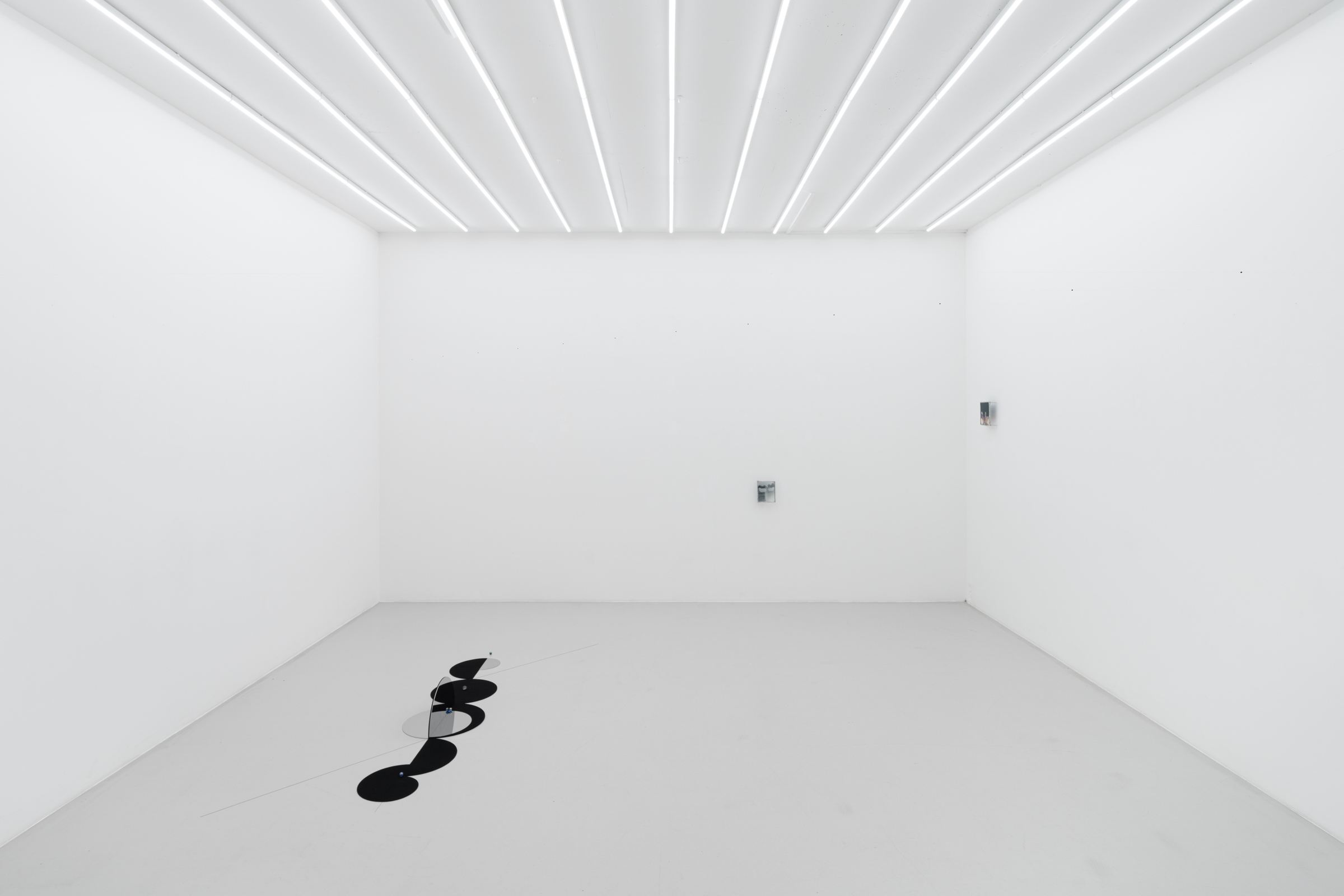
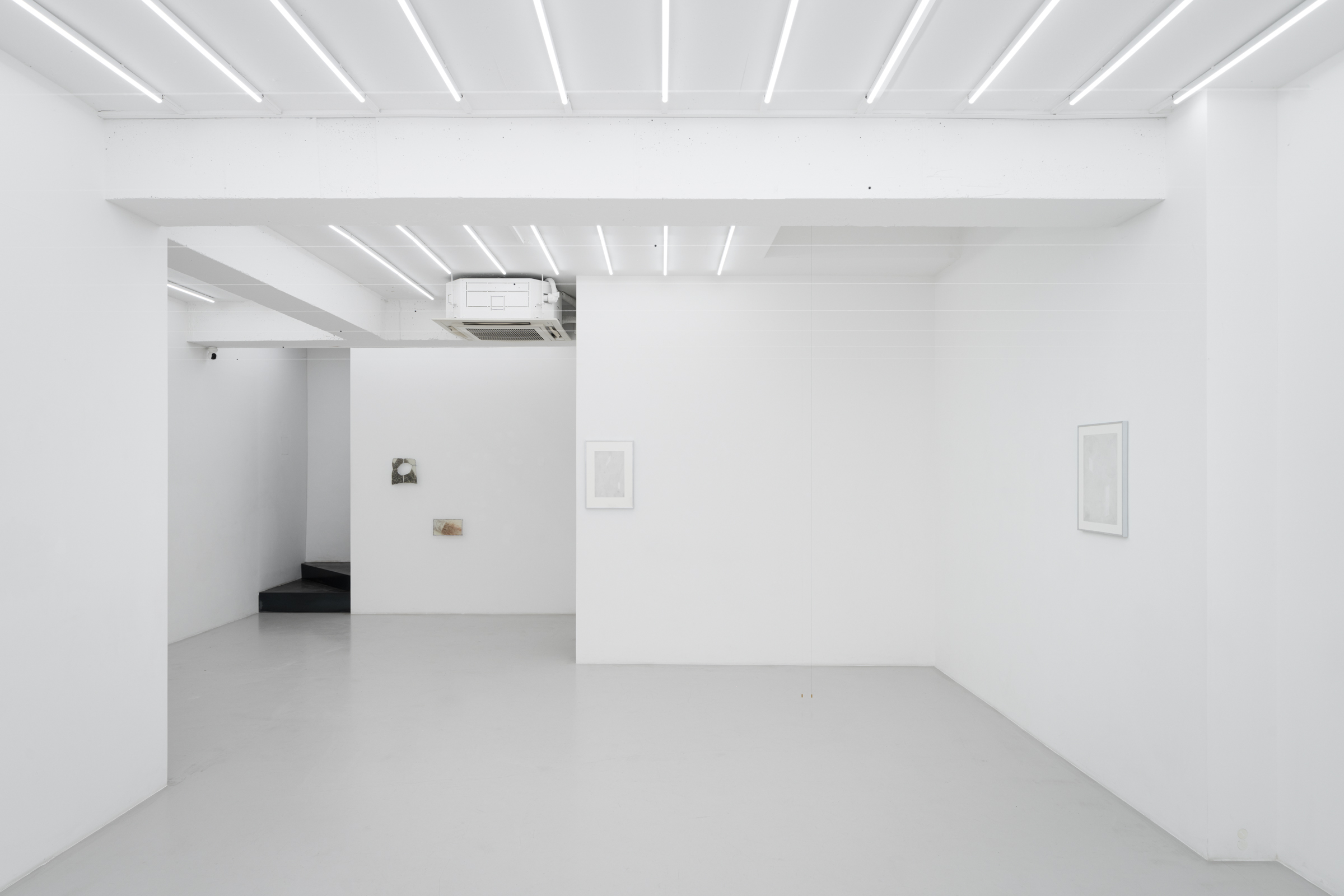
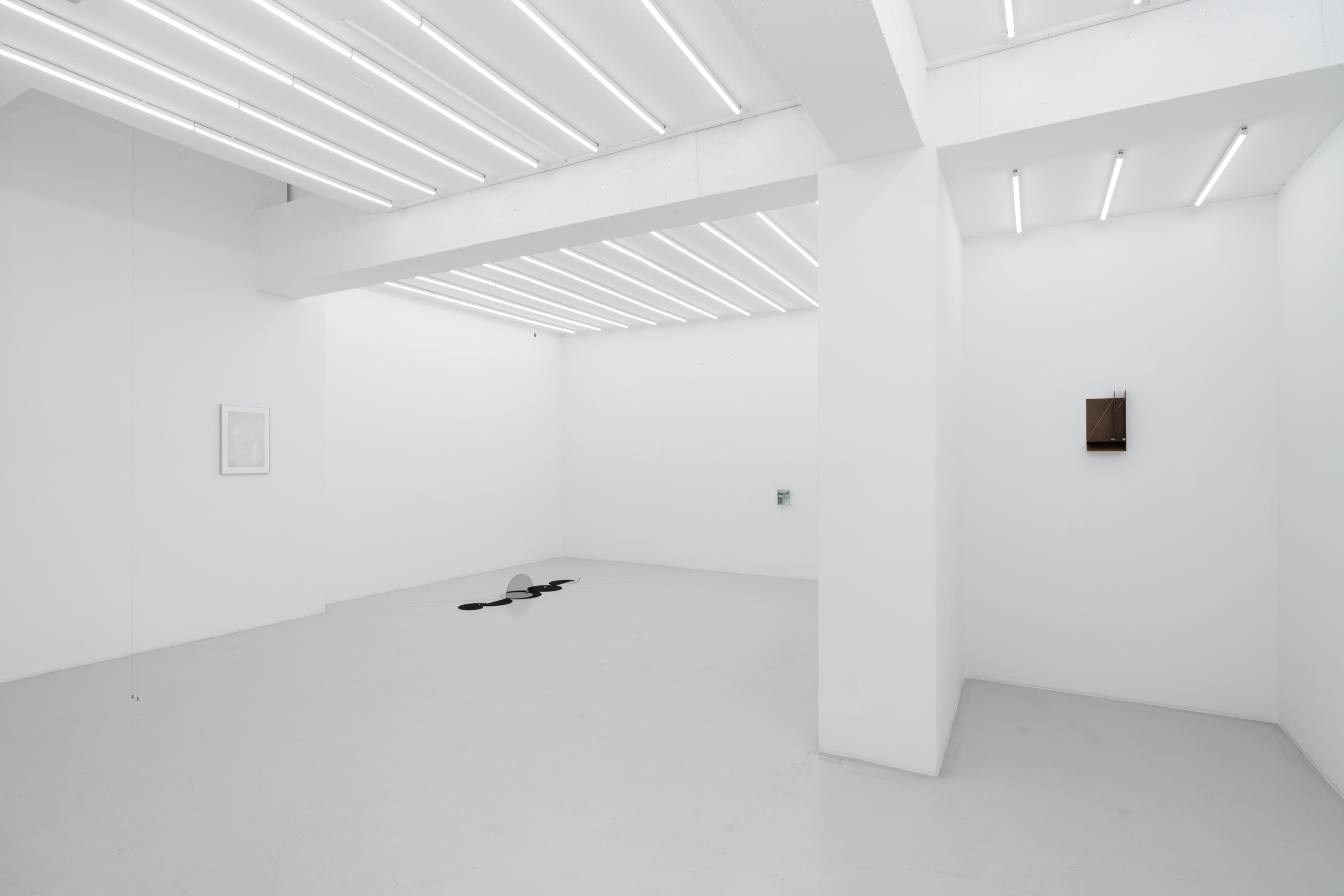
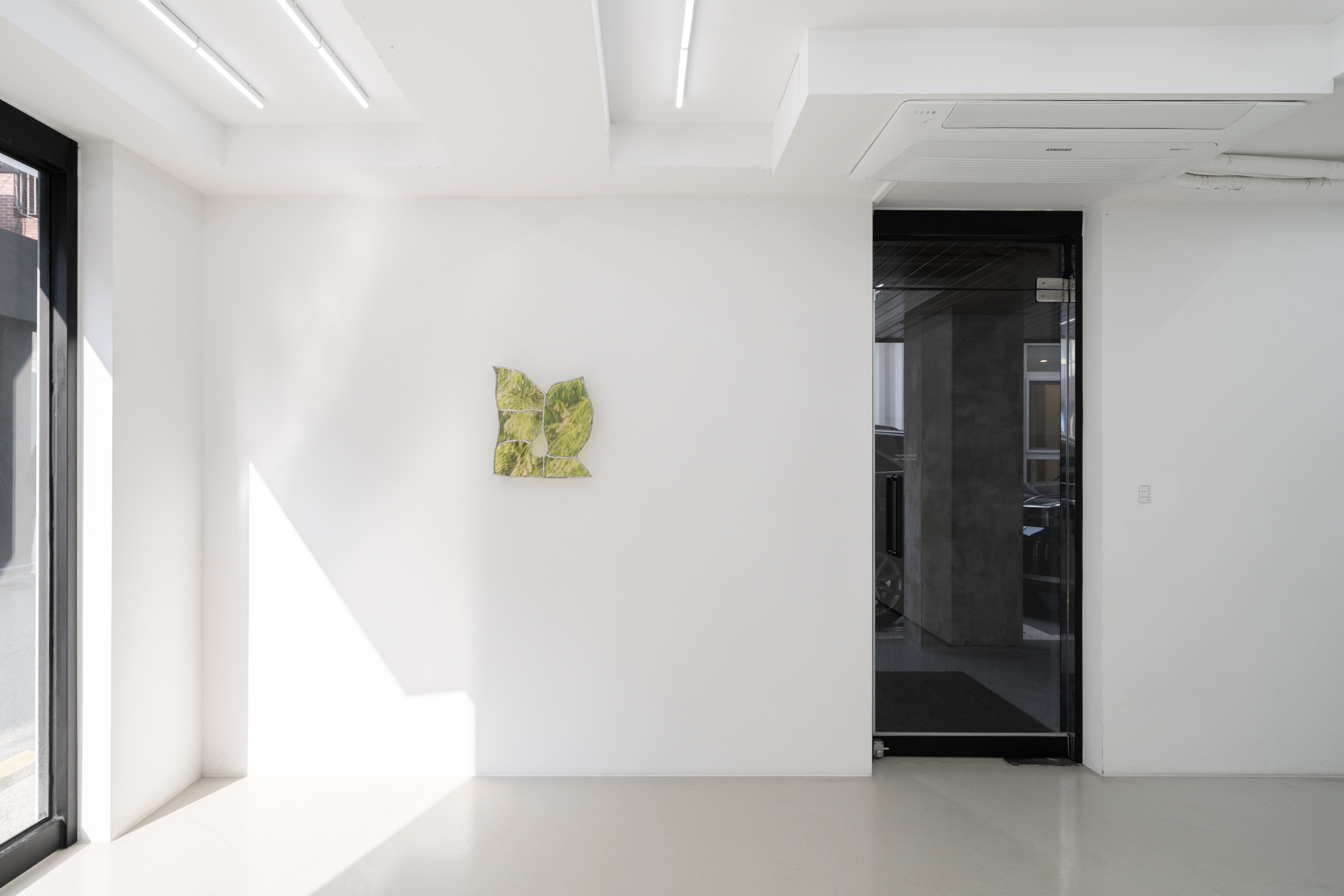
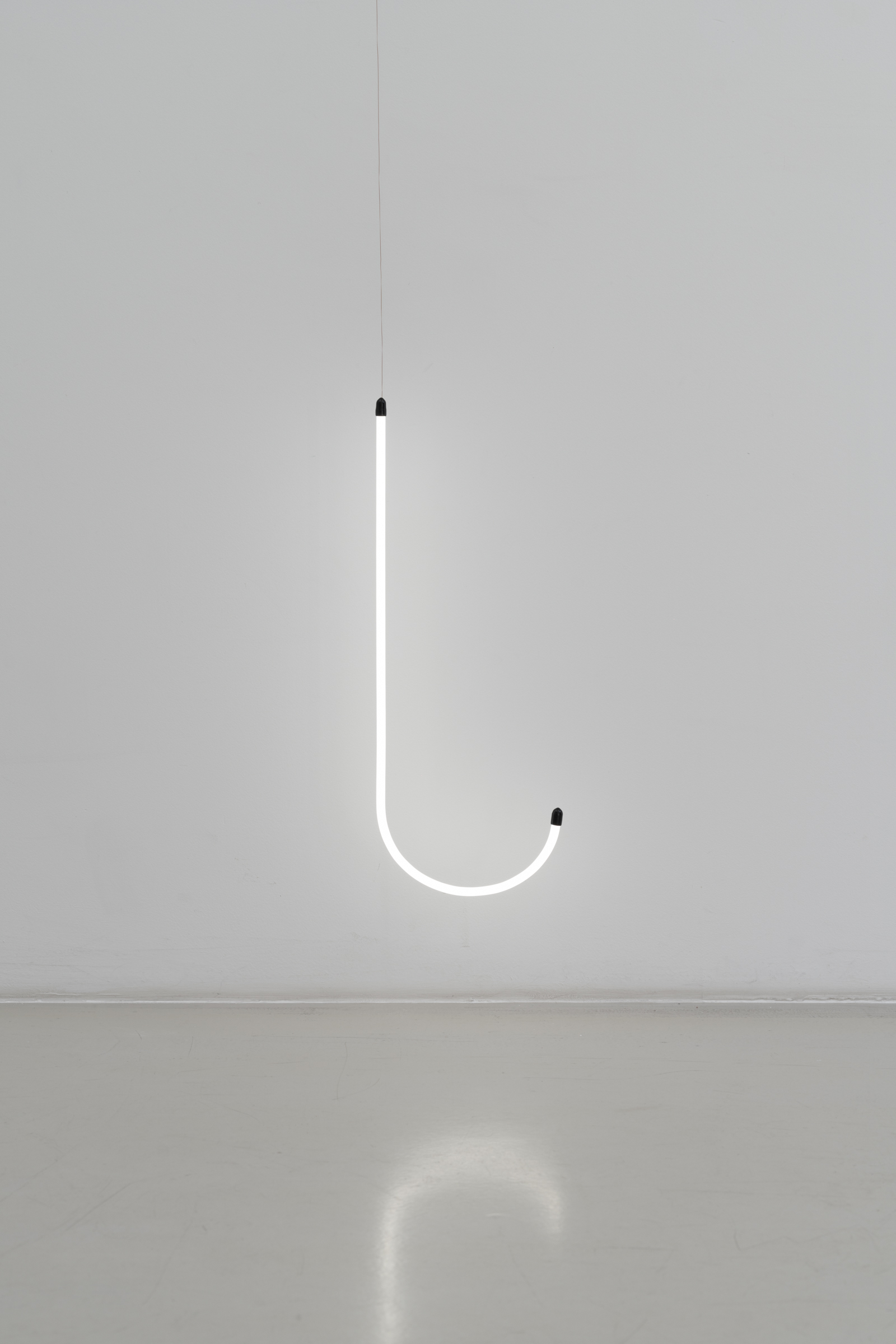
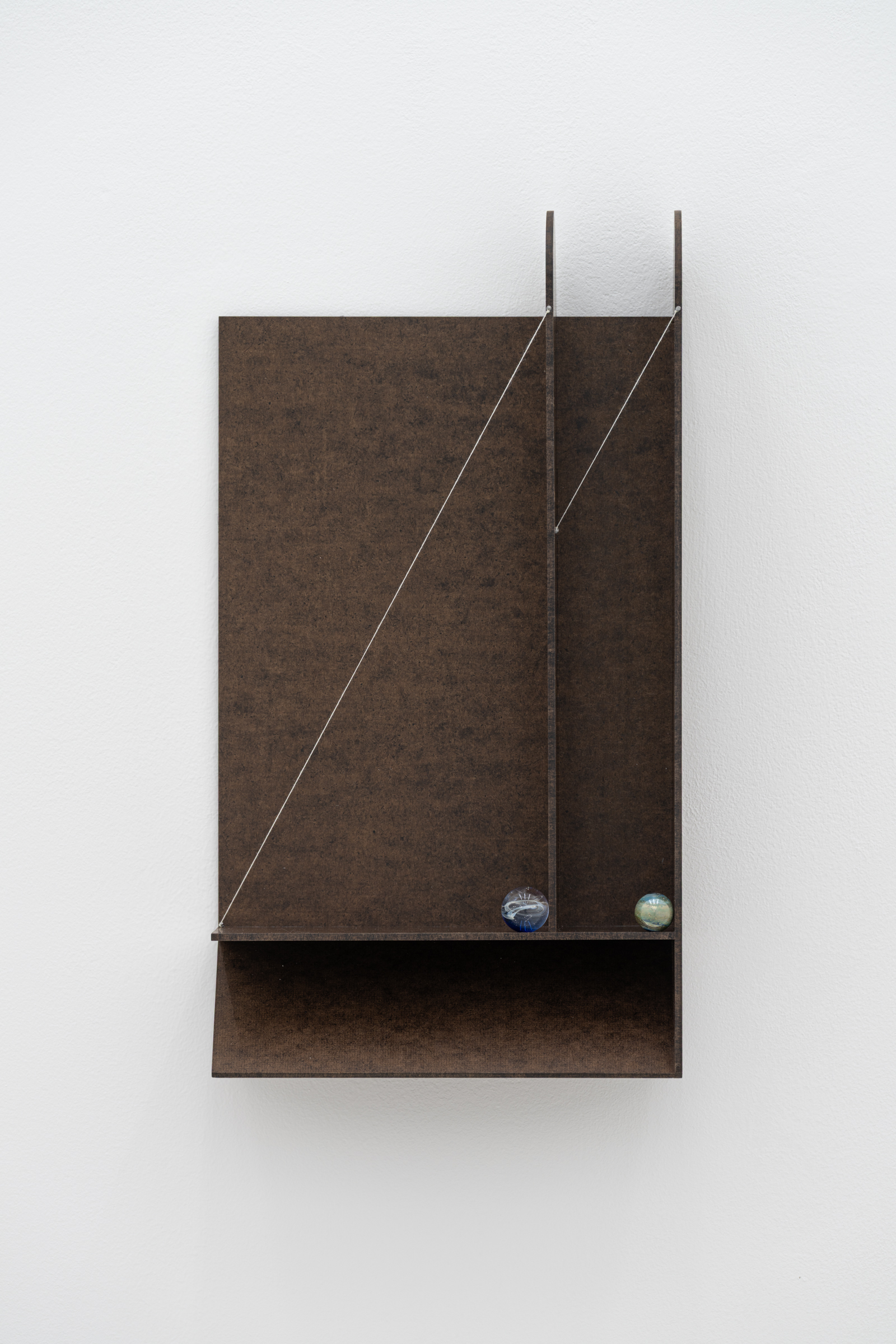
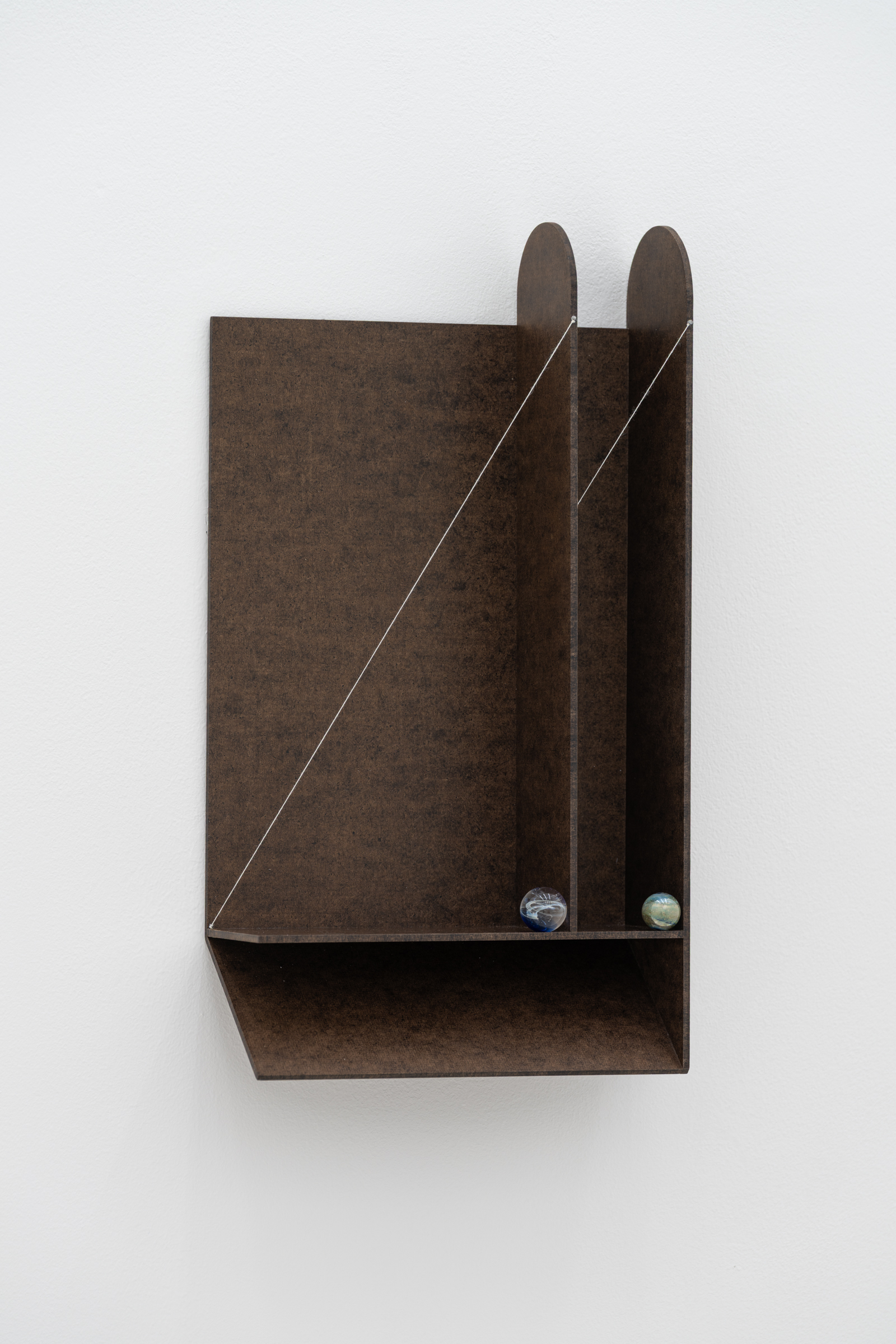
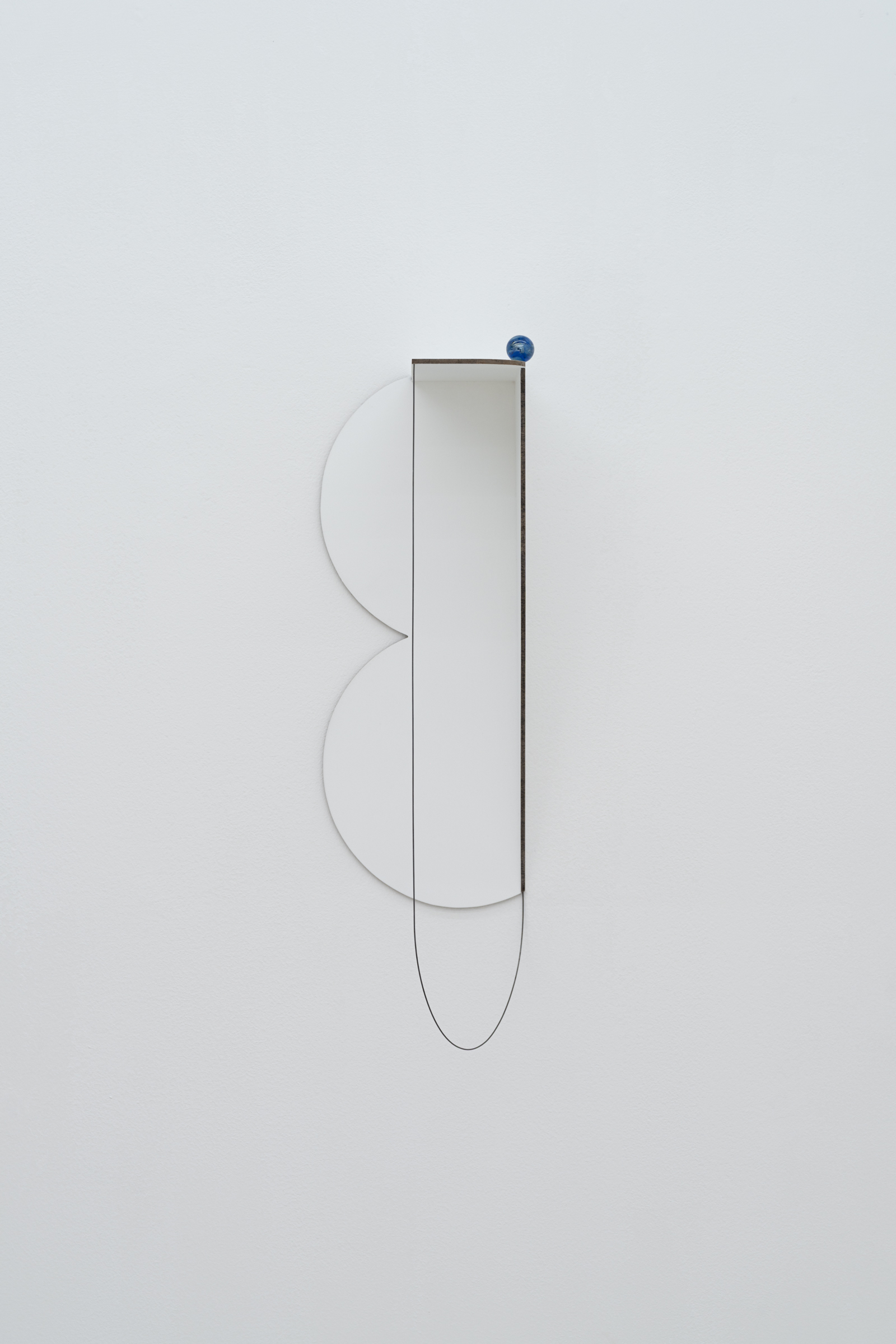
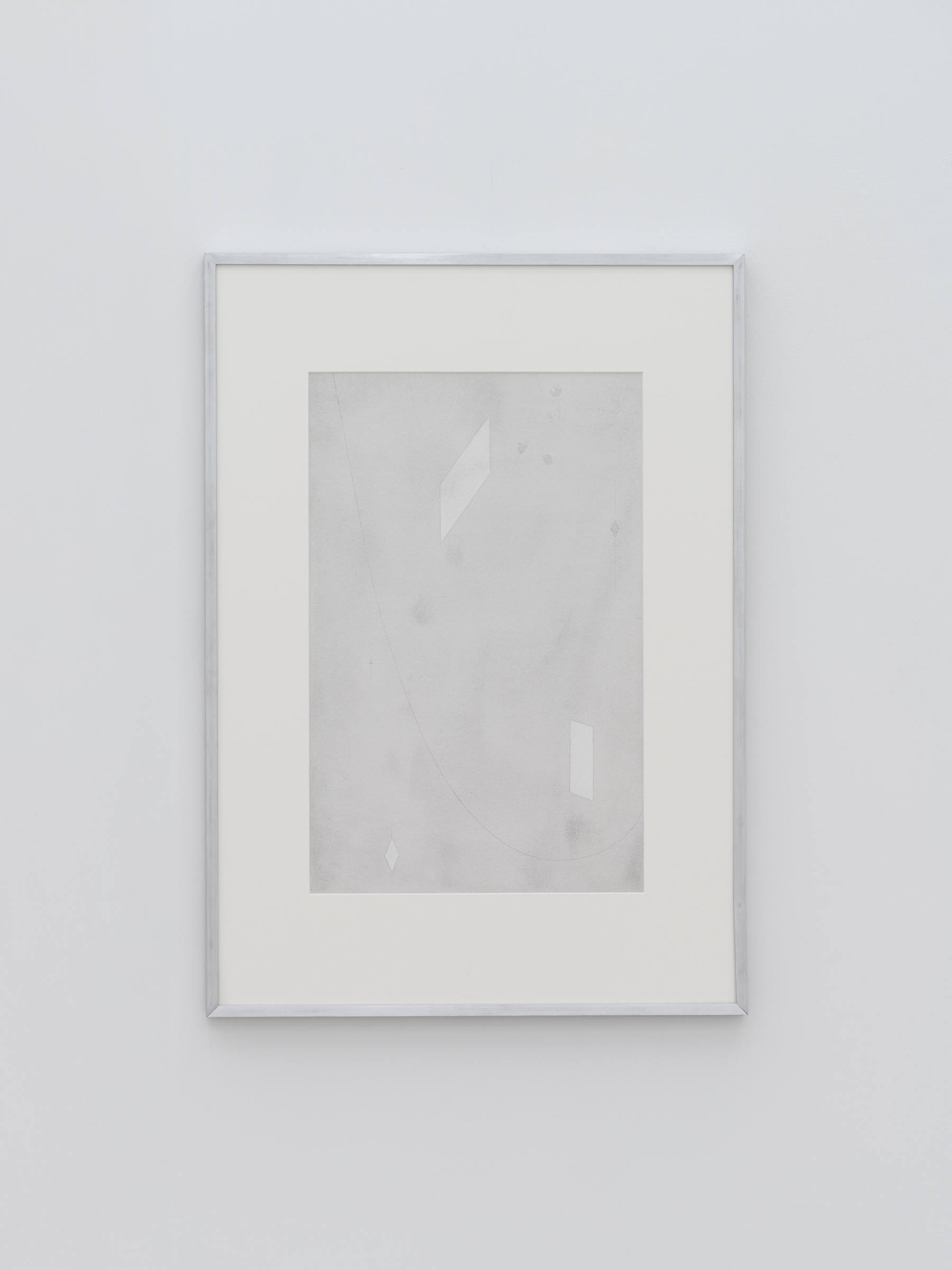
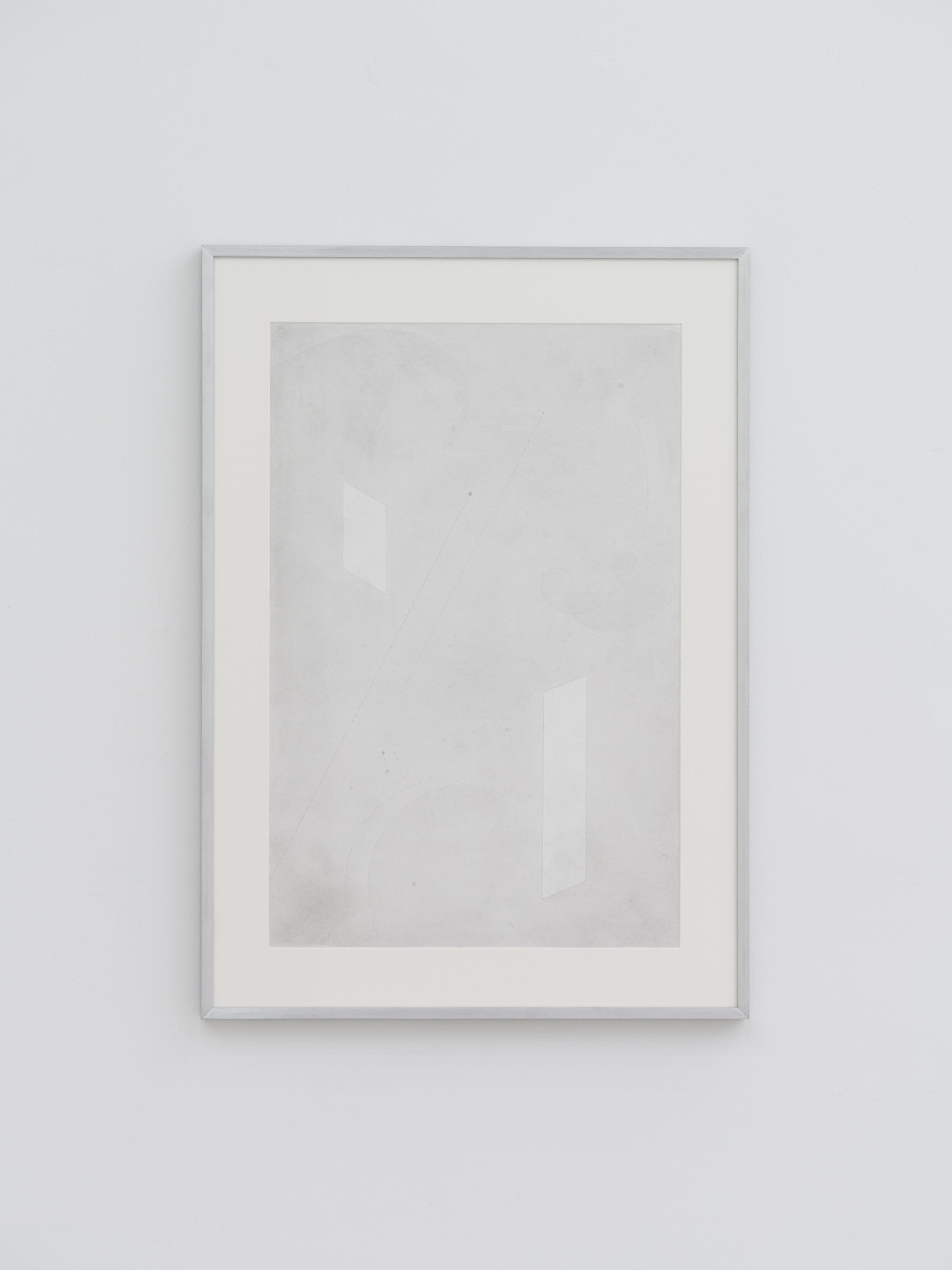
카운터폼(Counterform)은 타이포그래피 용어로서 형태(form)에 의해 생겨나는 빈 공간 또는 부정된 형태를 의미한다. 예컨대 알파벳 ‘b’의 내부 공간, 혹은 ‘n’의 개방된 공간처럼 형체의 외곽을 따라 형성되지만 그 자체로는 무어라 명명되기 어려운 지대이다. 형태가 차지하지 않은 공간이 시각적으로나 개념적으로 형태와 동등한 역할을 취할 수 있을까? 형과 공(空), 양과 음의 관계처럼 형태와 그 반형이 서로를 정의한다면 세계의 모습은 부정-공간을 인식함으로써 가늠될 수 있을 것이다. 전시는 오종과 엠버 토플리세크(Amber Toplisek)가 각자의 방식으로 보이지 않는 형상을 다루는 방식을 병치한다. 실체를 둘러싼 여백, 이미지의 표면을 스치는 빛, 그리고 기억의 미세한 잔여물 등이 하나의 공간에서 반향처럼 교차하며 존재의 외연을 드러낸다. 두 작가는 투시와 변형의 과정을 통해 무엇이 비워졌는지, 비워진 것이 어떻게 의미를 생성하는지 질문한다. 이윽고 그 결과물은 비가시적 구조와 시각적 질서를 딛고 선 무언의 음영으로 드리운다.
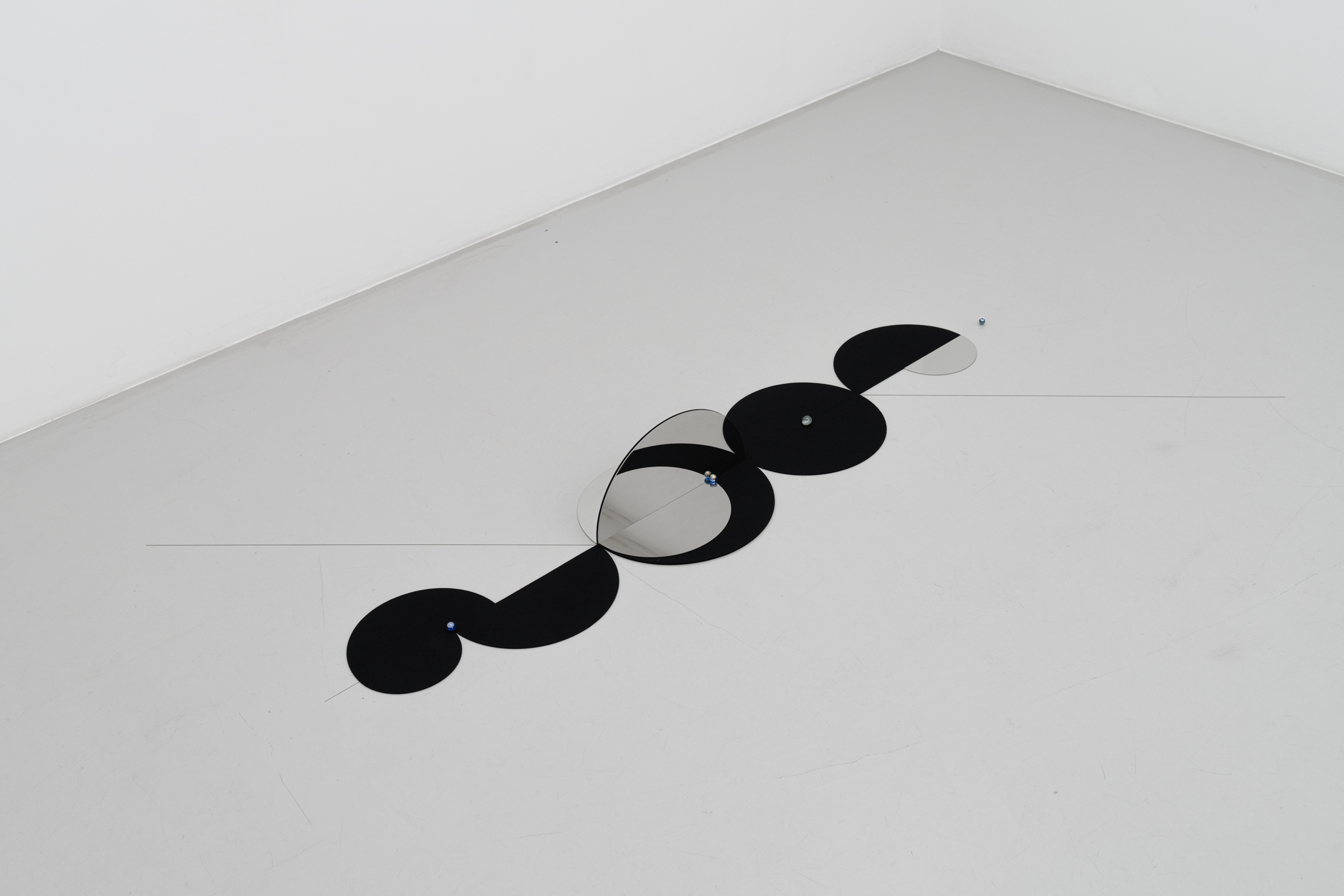
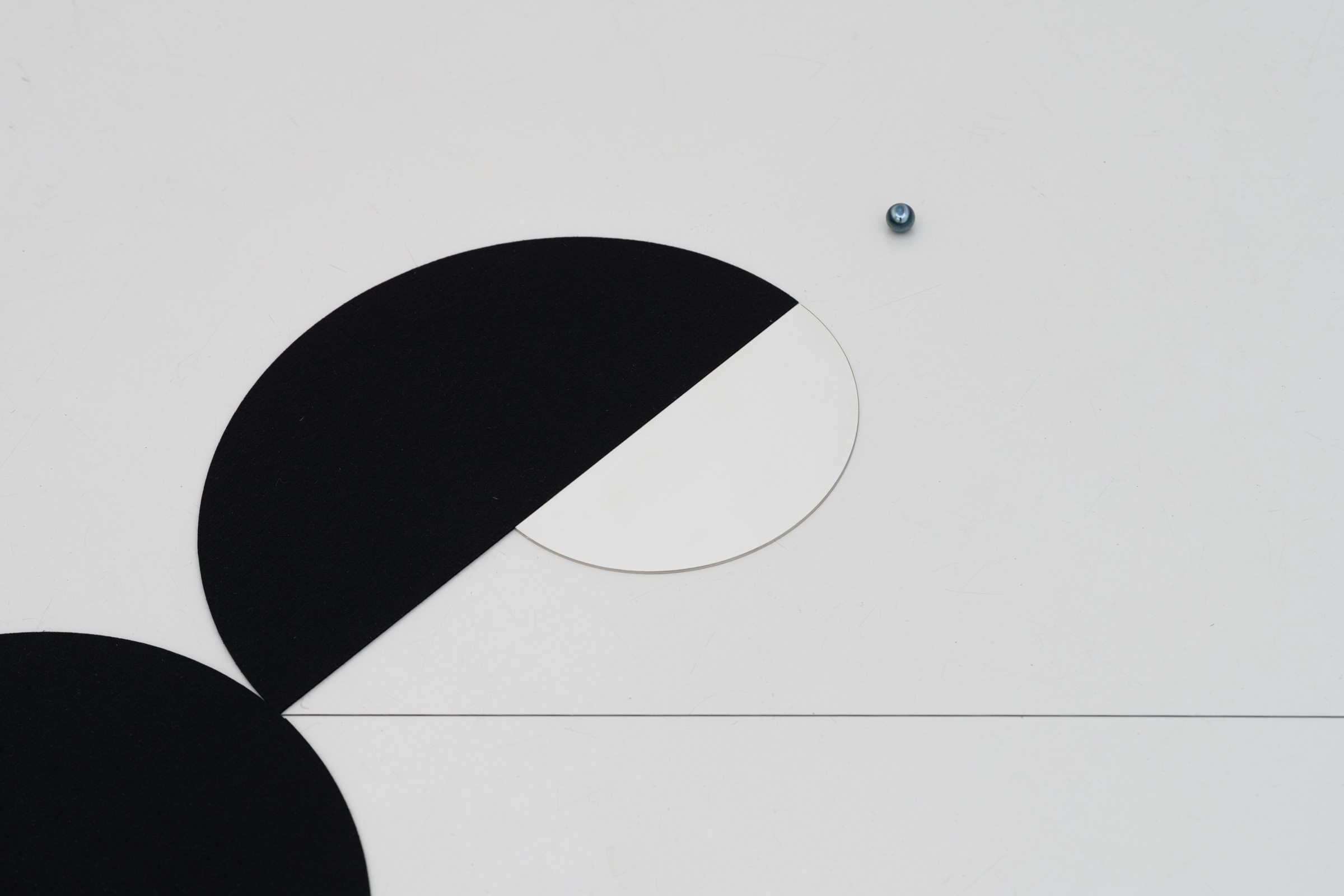
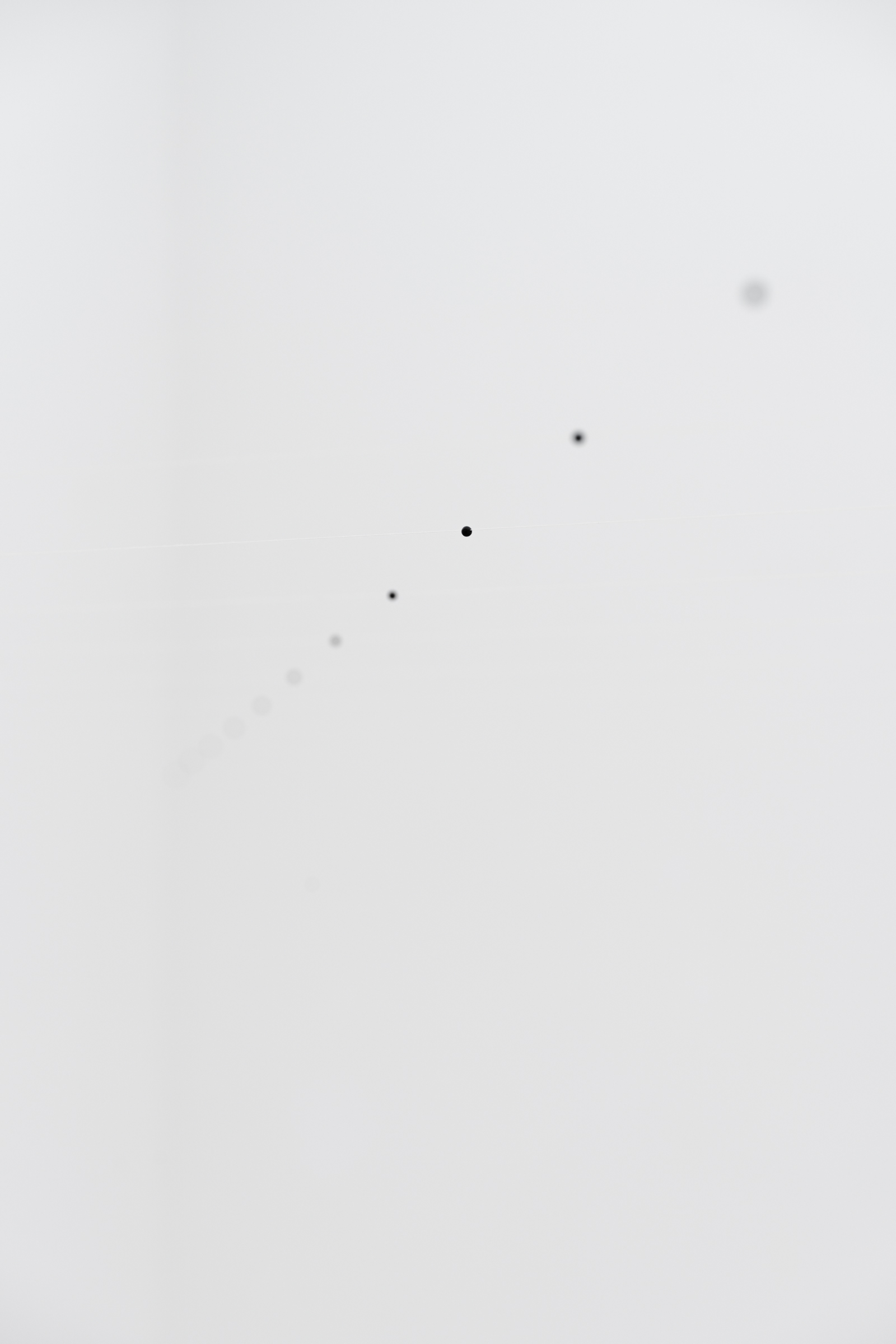
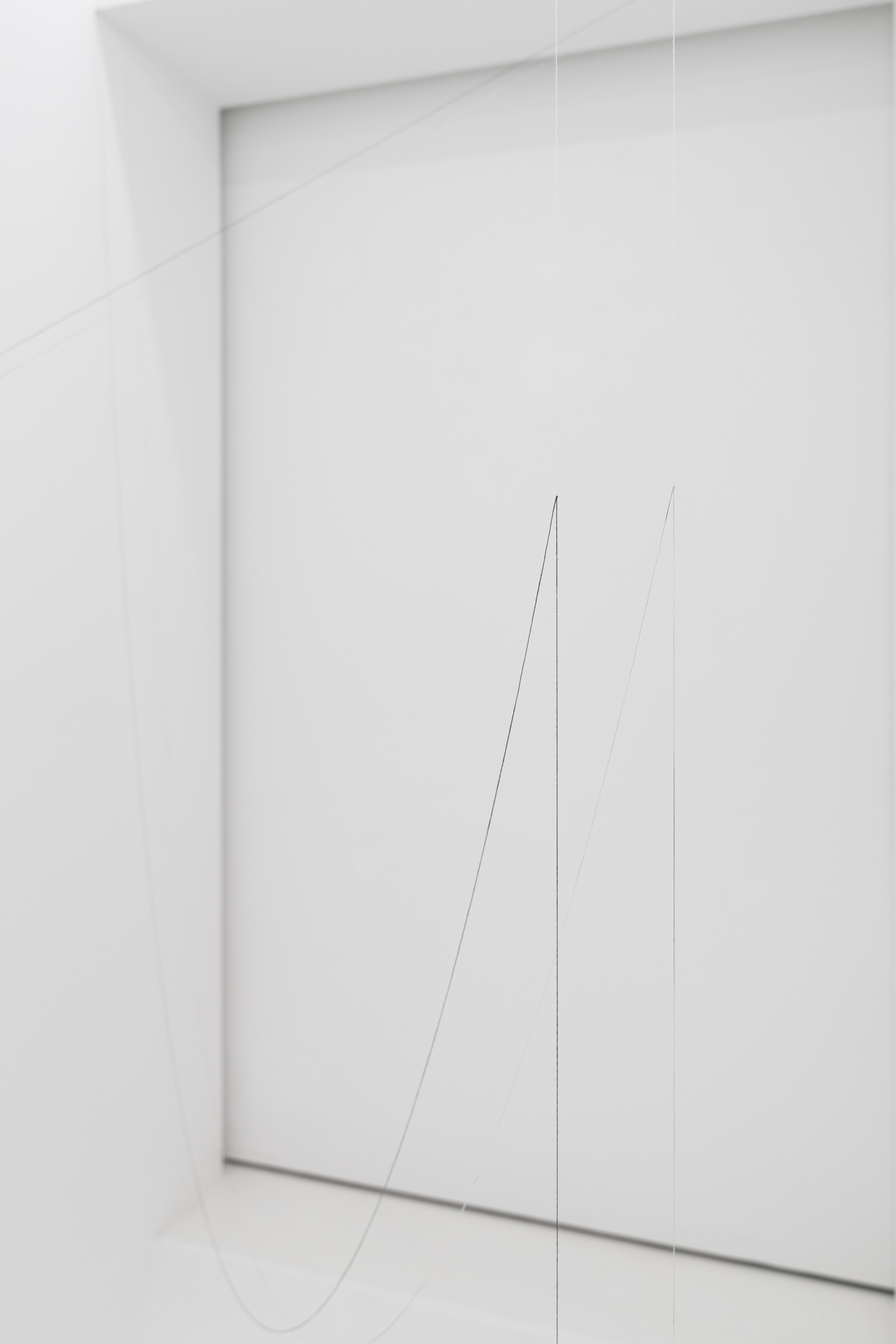
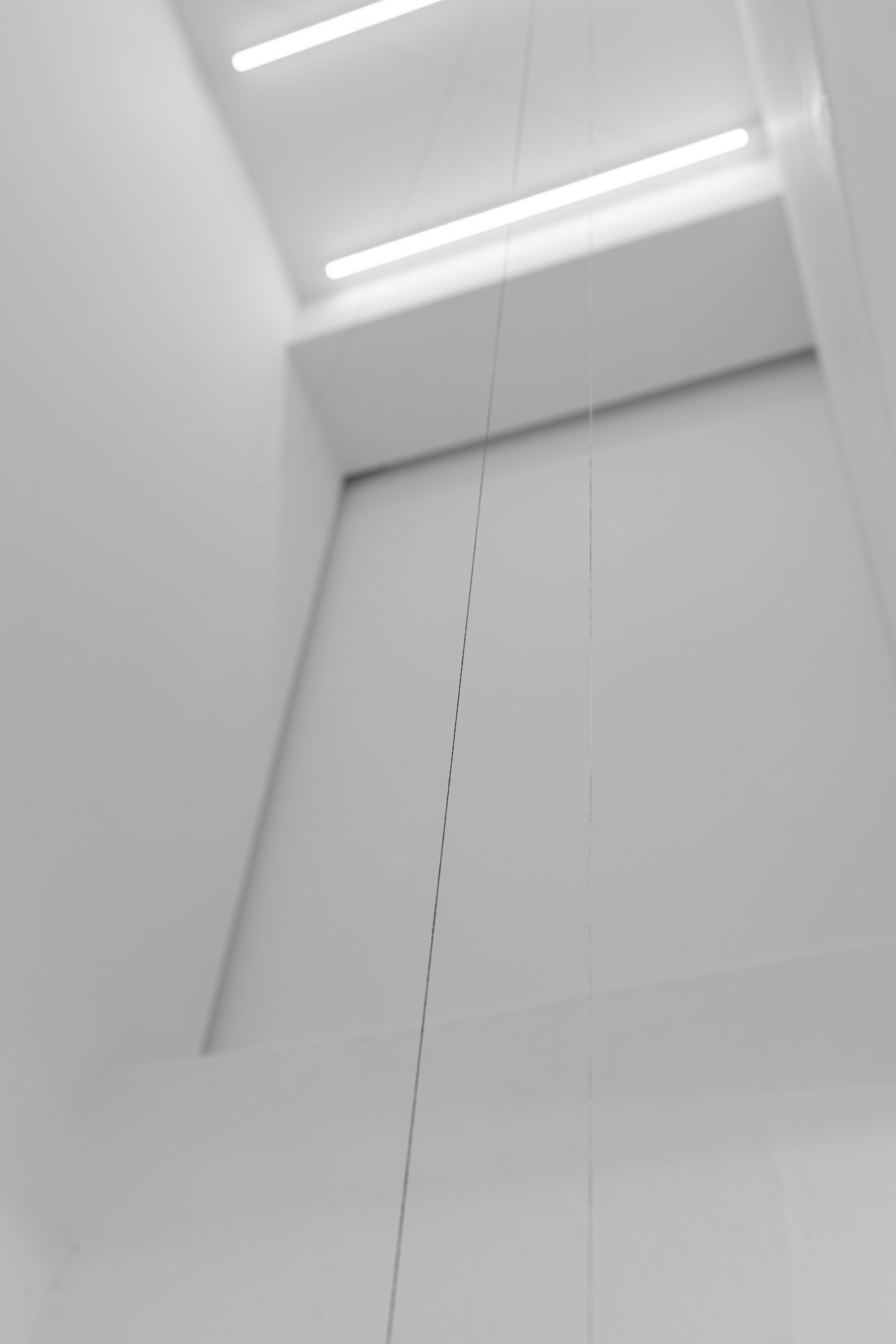
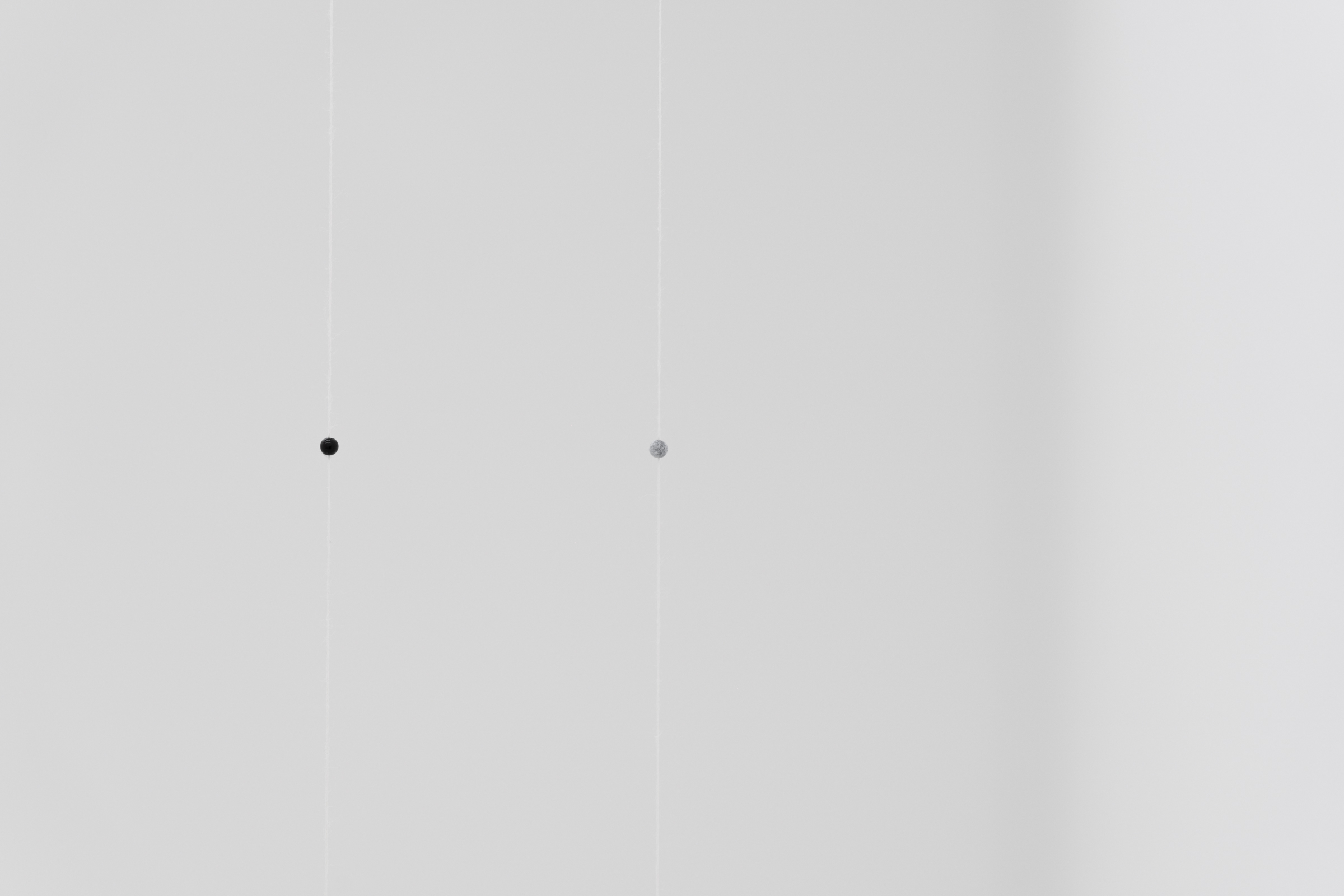
오종은 구조의 선형적 리듬을 만들어내는 중력과 무게감을 섬세히 감지하고 이를 비워내는 방식으로 공간과 관계 맺는다. 본디 점·선·면의 대비는 데이터에 의해 계산된 장력 같은 물리적 균형을 통해 유지되는 반면, 그는 종종 관습적 논리나 질서를 전복하여 낯선 조형의 우주를 펼쳐 놓는다. 그의 작업은 소위 익숙한 것에서 예기치 못한 것을 발견하는, 다소 유쾌한 놀라움으로 이루어진다. 이를테면 전시장에서 관객은 두 종류의 벽을 구분할 수 있다. 하나는 뒷면이 보이지 않는 ‘주어진’ 벽, 다른 하나는 뒷면이 보이는 ‘만들어진’ 벽이다. 역사적으로 벽은 정치적인 것과 사적인 것, 즉 공공적인 것과 일상적인 것을 나누는 경계로써 시간이 지남에 따라 더욱 견고한 모습으로 발전되어 왔다. 그러나 오종은 이를 얇은 두께의 선으로 모방하여 누군가 자신의 벽으로부터, 그래서 어떤 의미로는 발 디딘 세계와 자기 자신에게서 벗어나 보기를 제안한다.
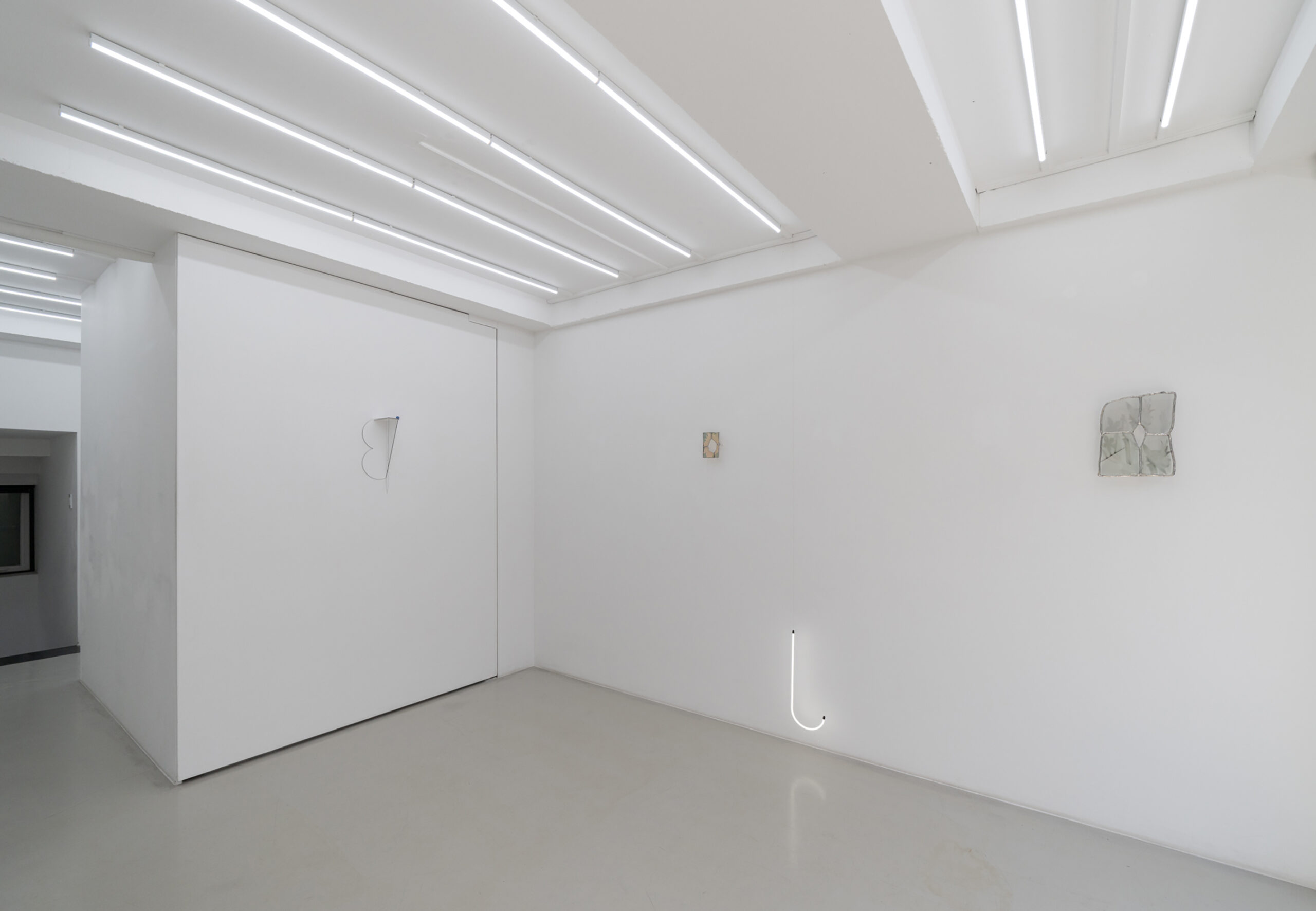
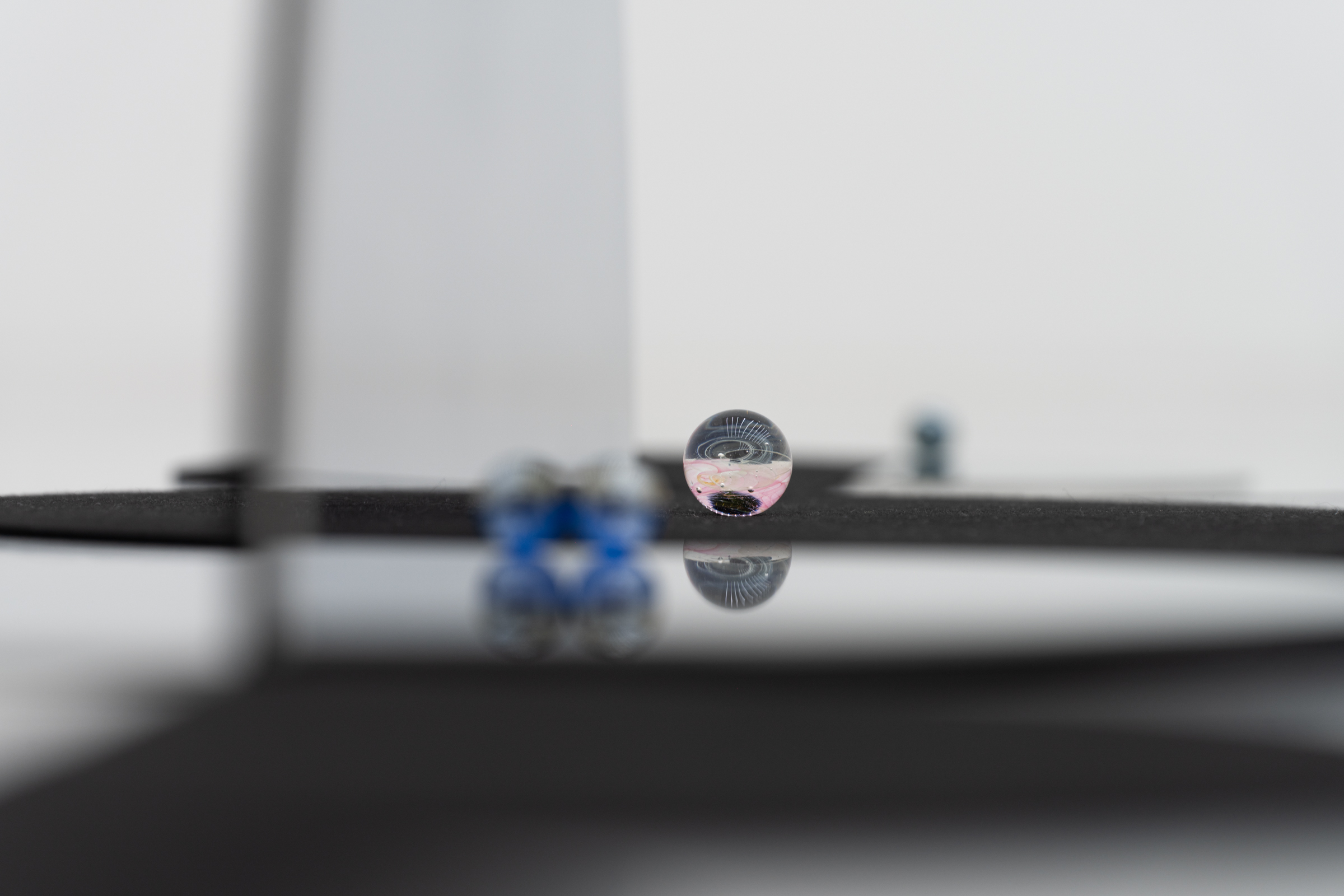
이처럼 작가는 주변을 둘러싼 공적 또는 사적 지대를 월경하면서 끊임없이 가상의 추를 움직인다. 동시에 그는 서로 다른 물성이 만나 유발하는 긴장과 안정의 순간에 주목하며 재료 간 성질을 교환시킨다. 가령 실, 유리, 펠트, 거울, 철사, 조명 등은 그가 해석한 무게와 질감에 따라 일시적 수평을 유지하고, 완결된 구조물로서 공간을 점유하기보다 끊임없이 균형을 맞추는 과정 자체로 존재한다. 이때 각각의 작품은 미시적 구조와 거시적 구조가 교차하는 장소이자 제3의 형태를 생성하는 하나의 퍼즐 조각이 된다.
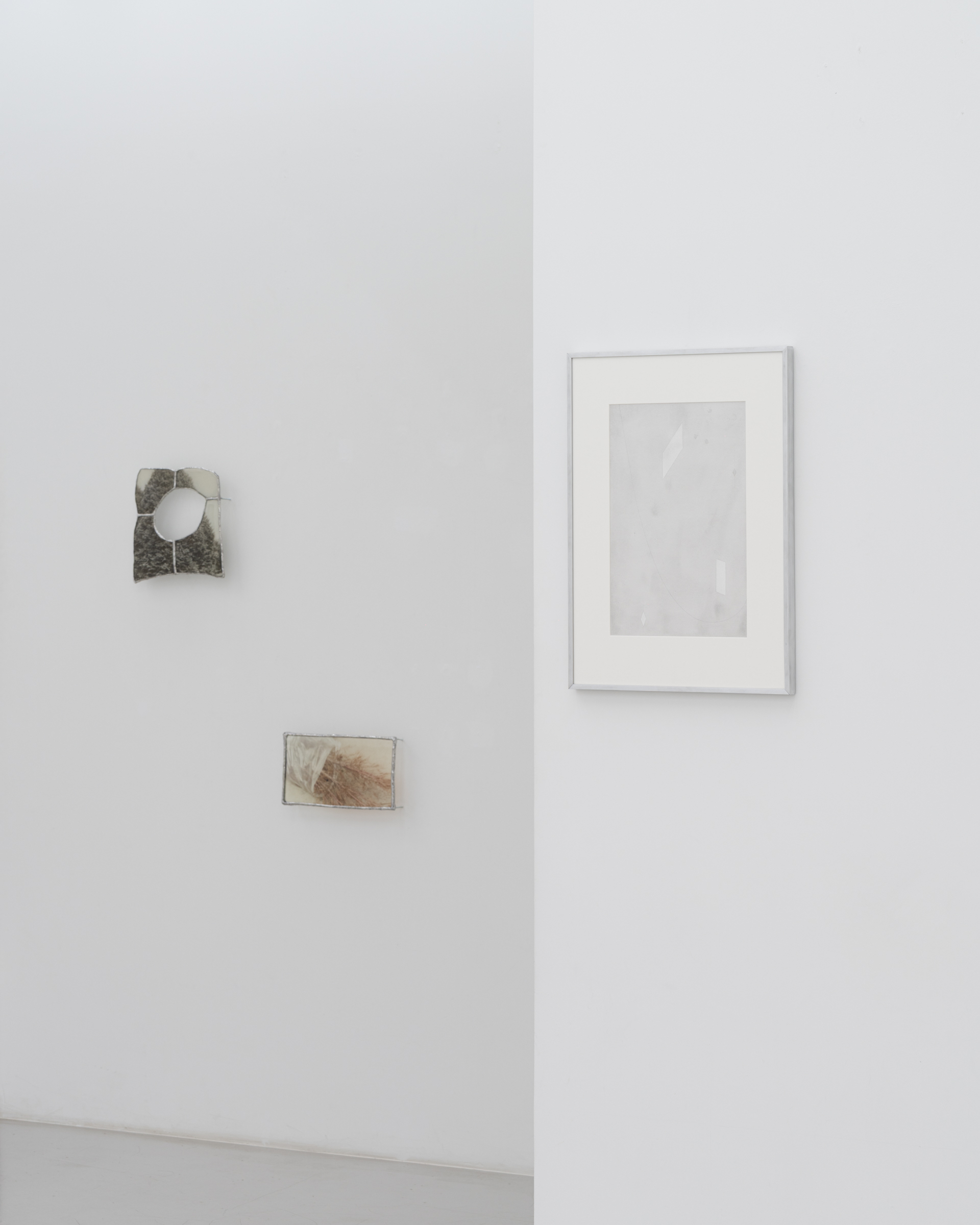
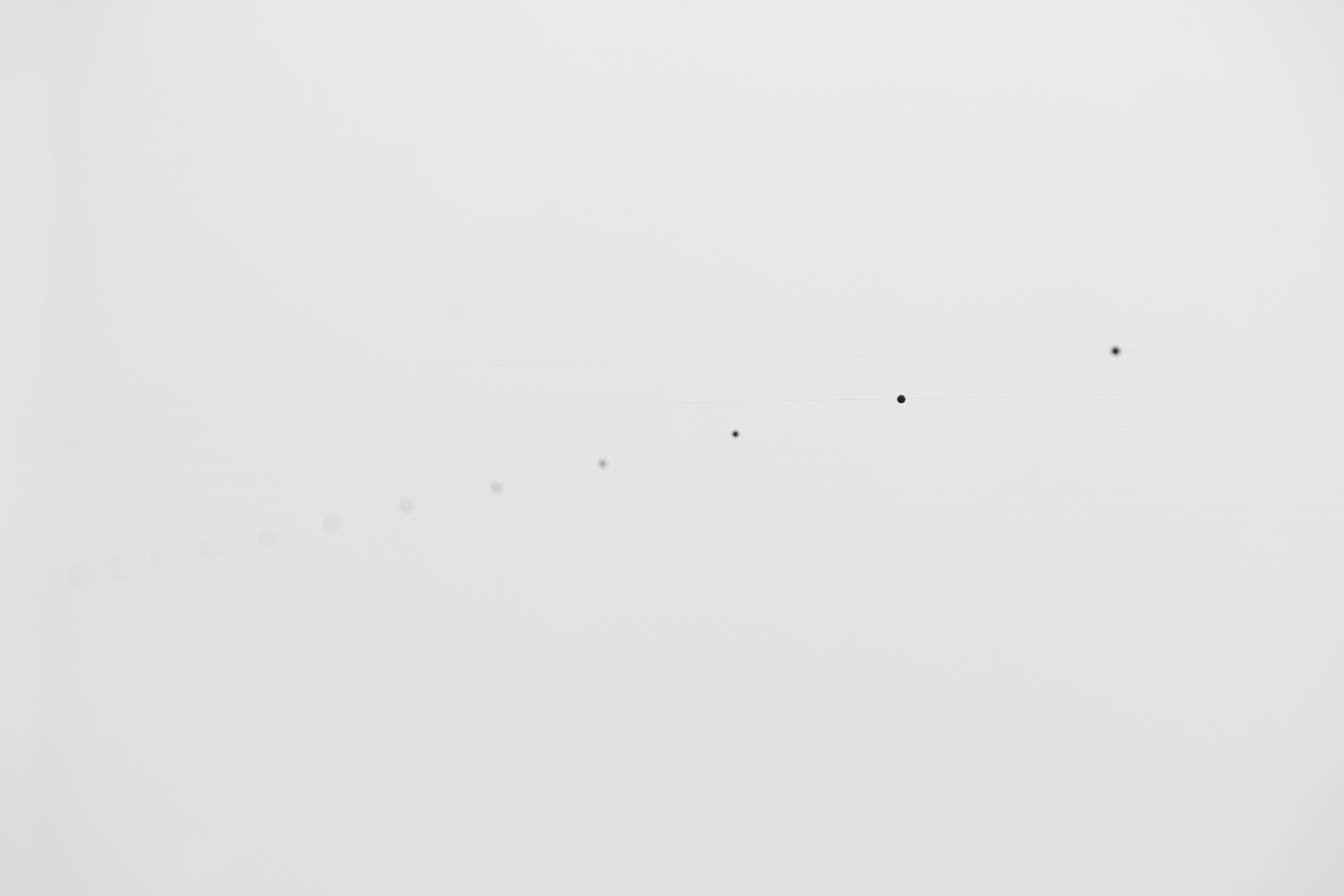
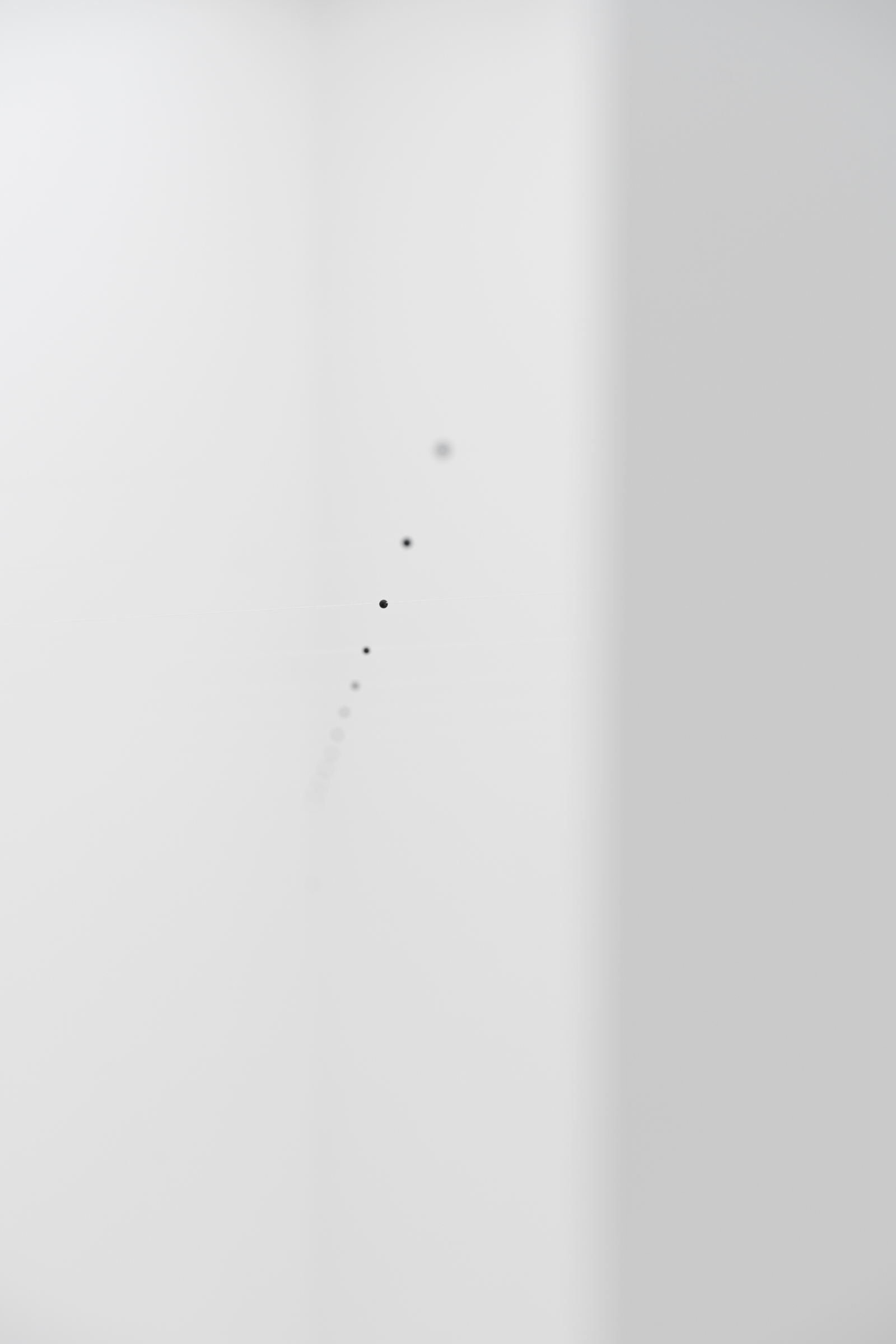
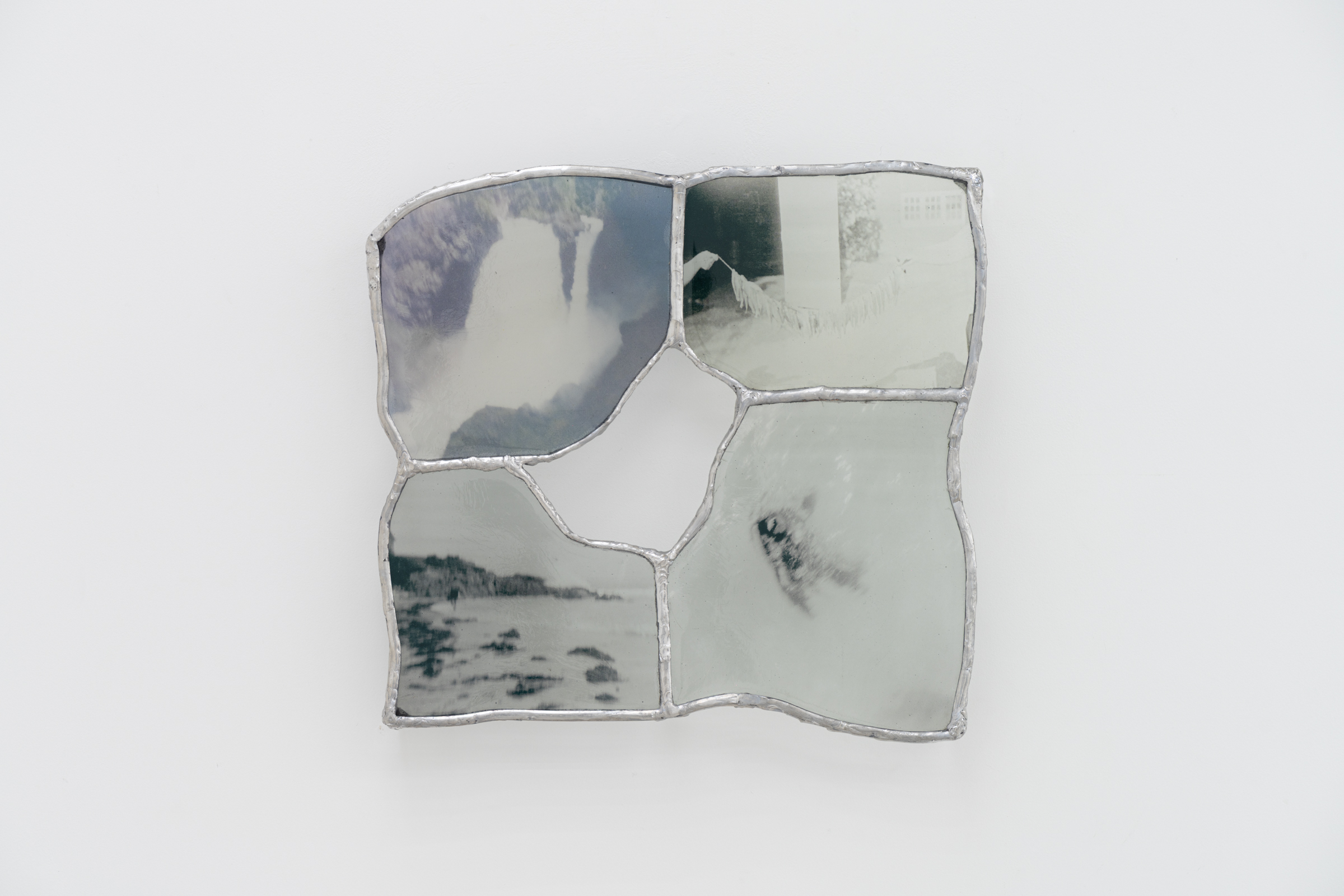
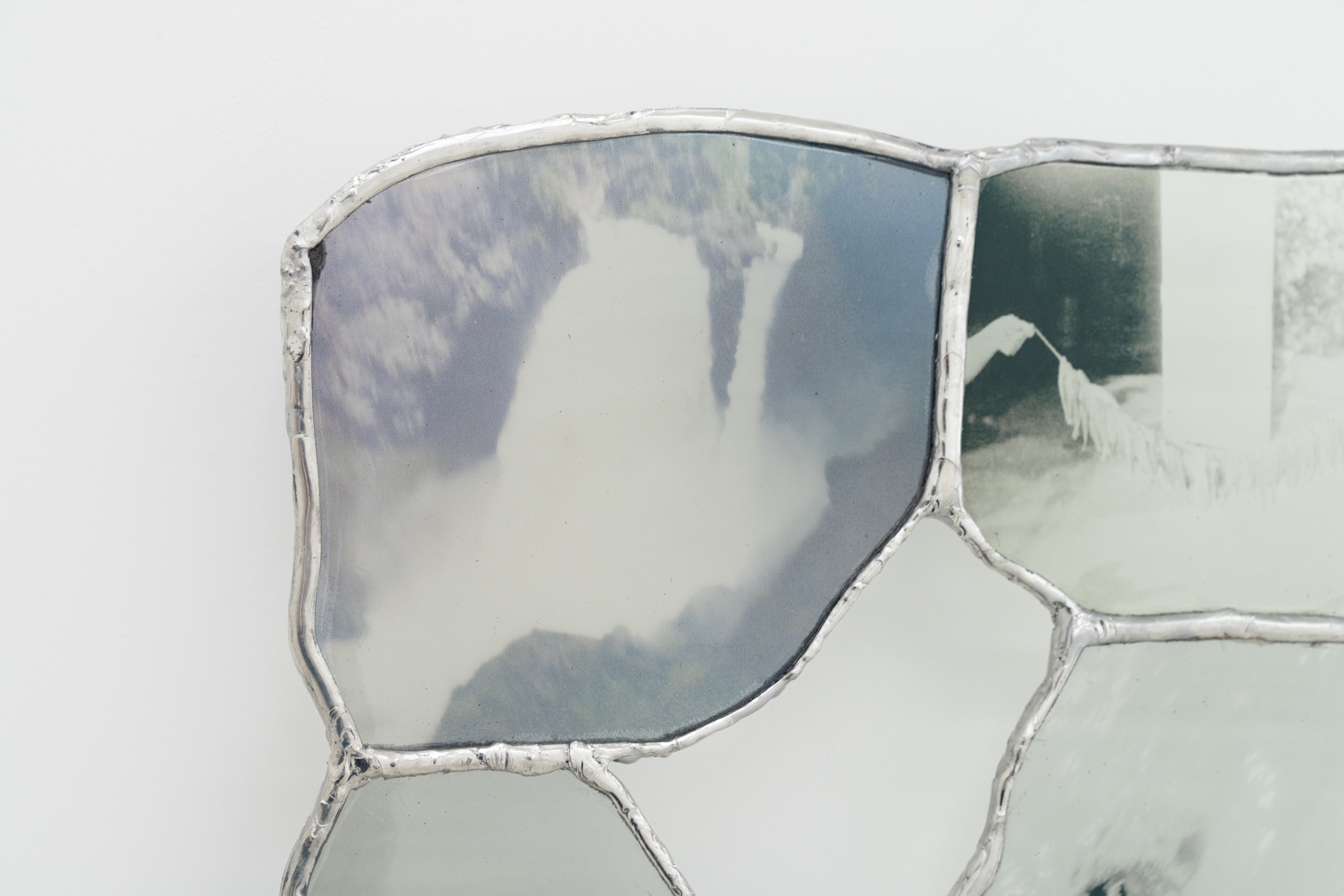
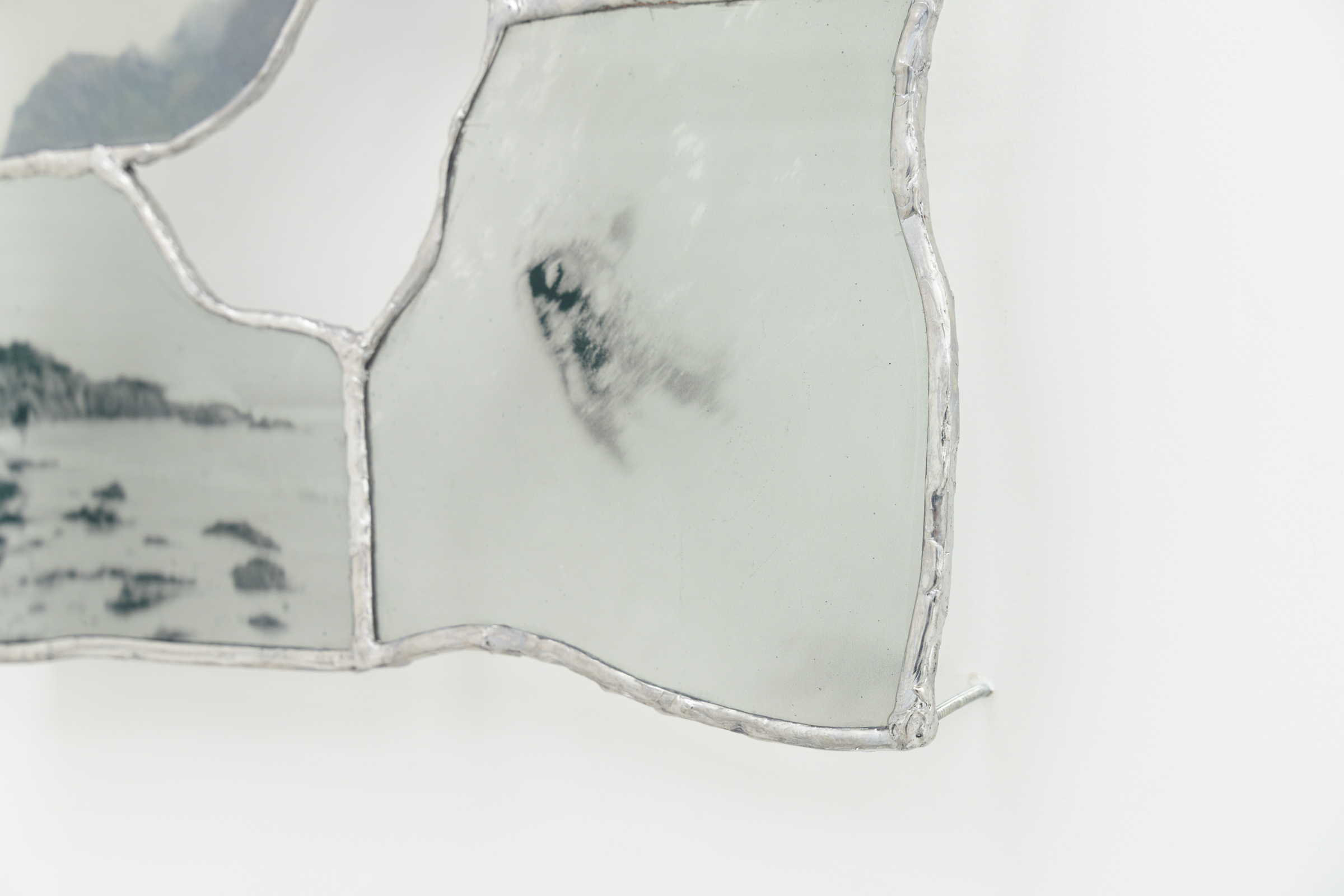
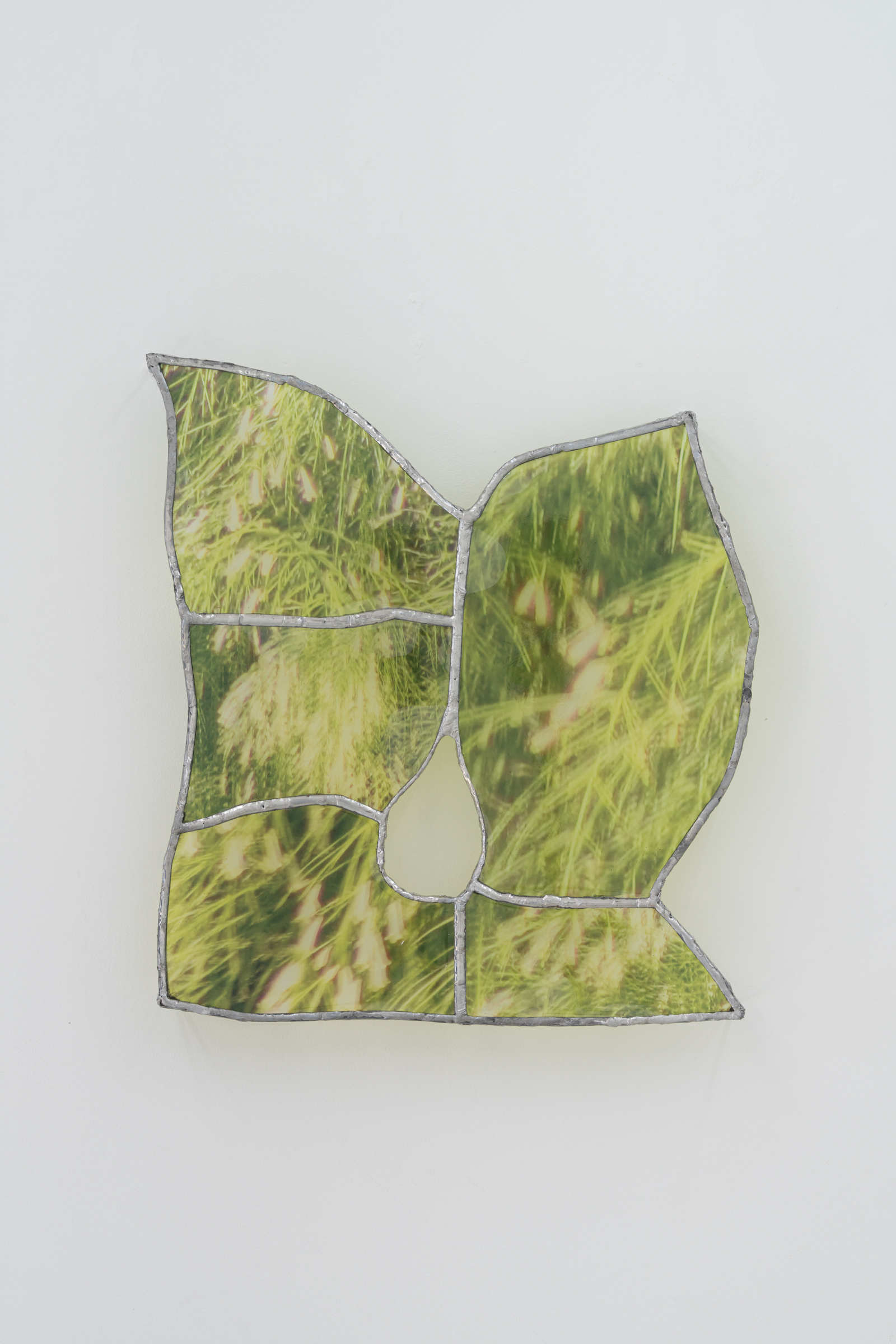
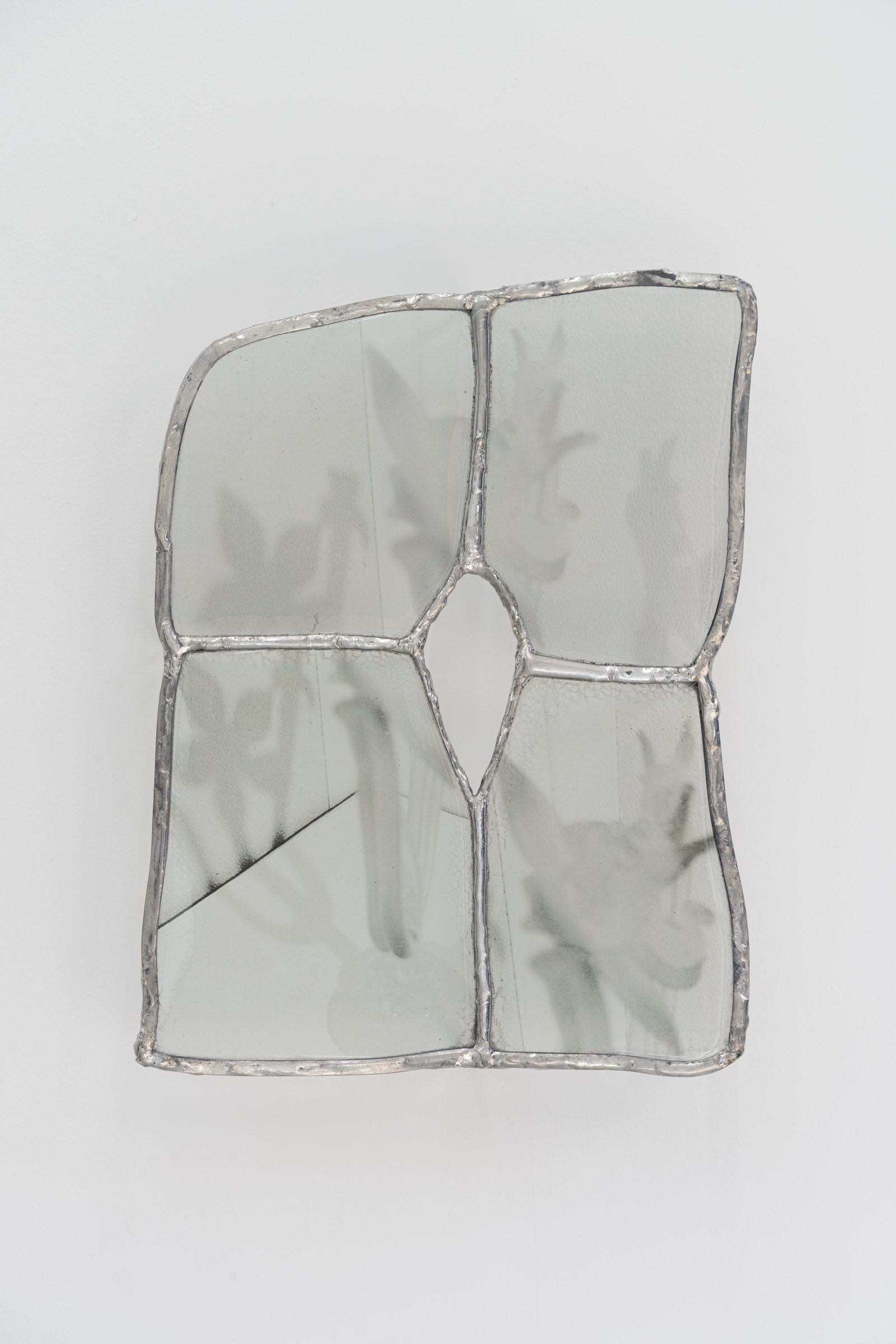
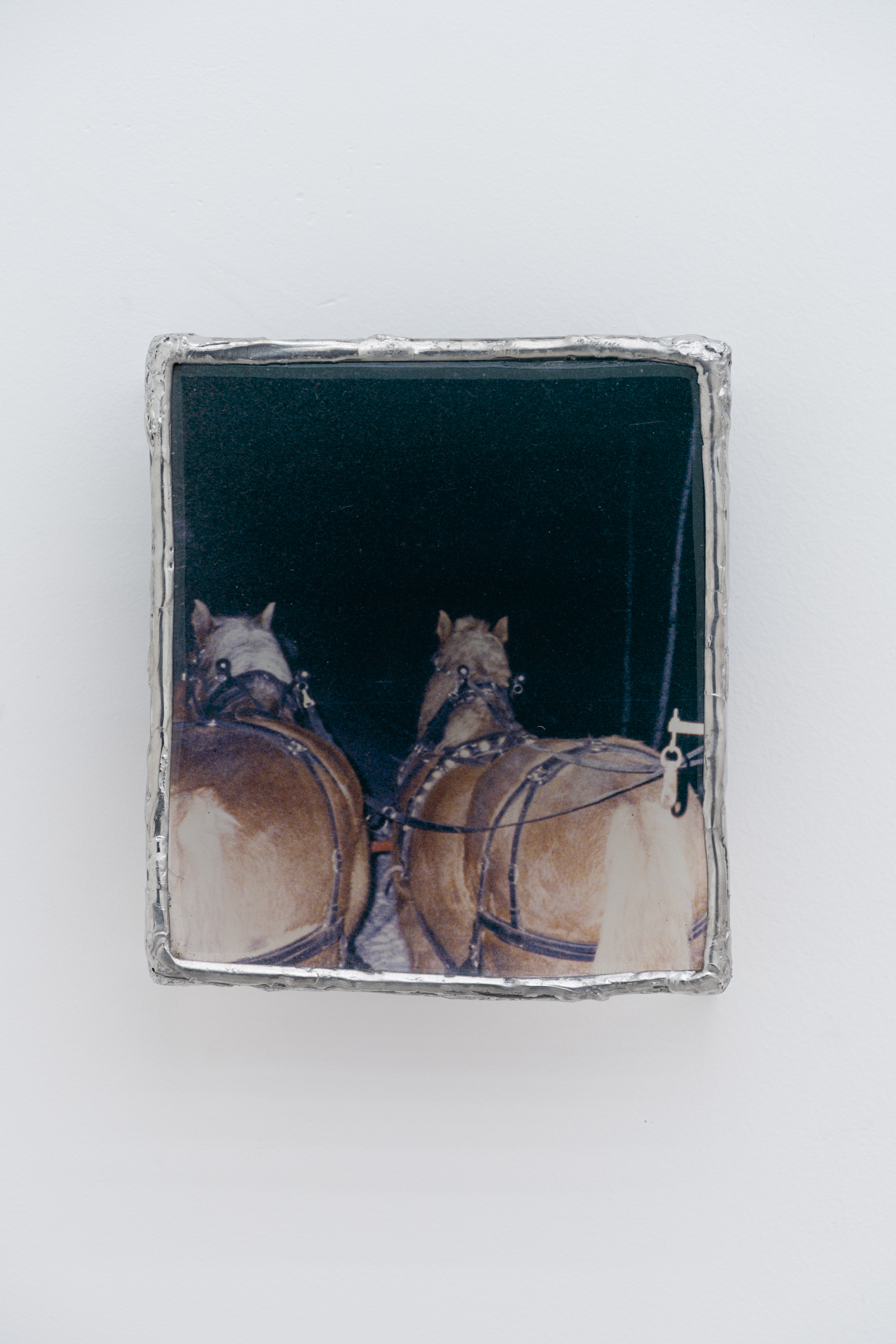
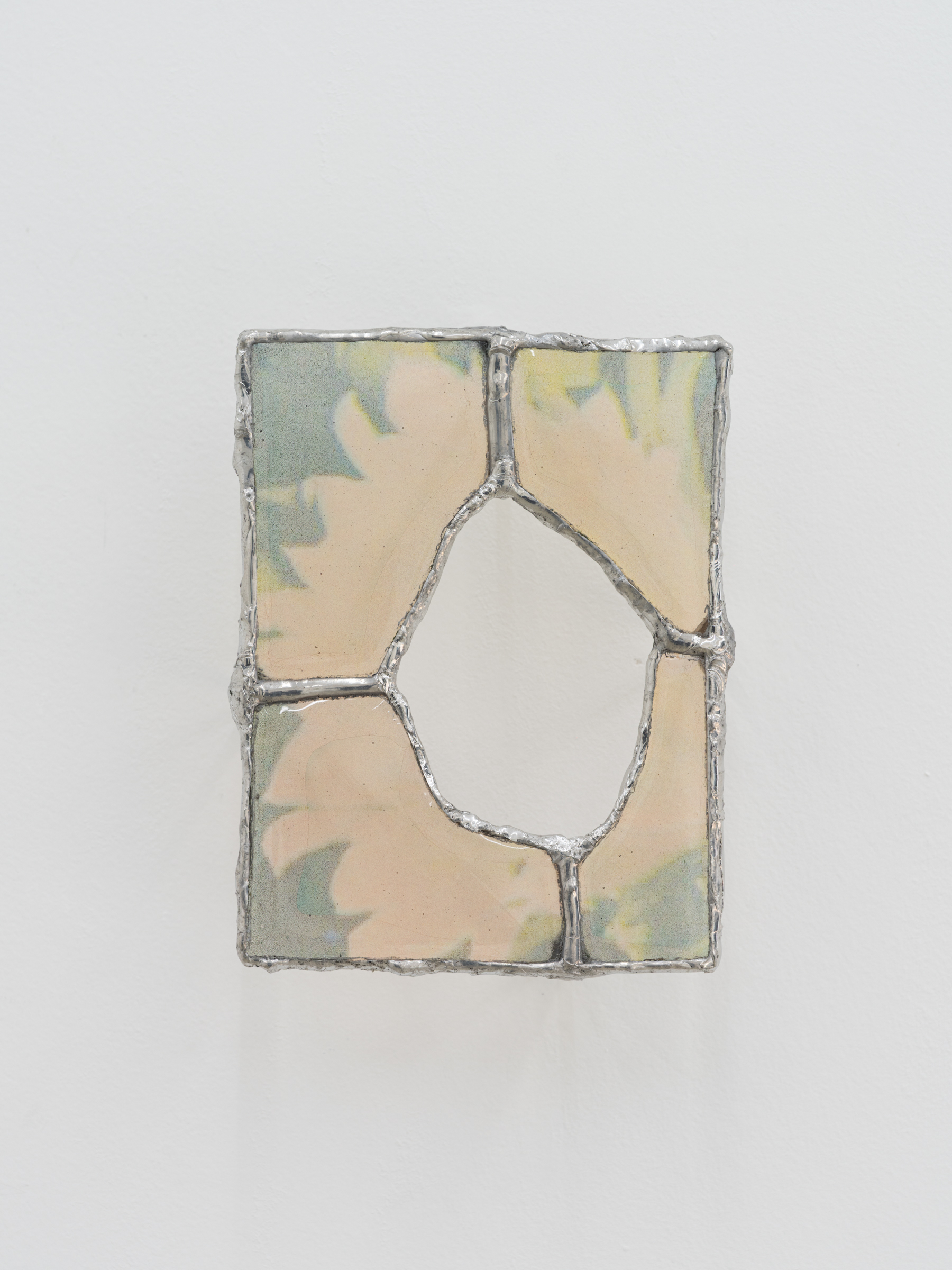
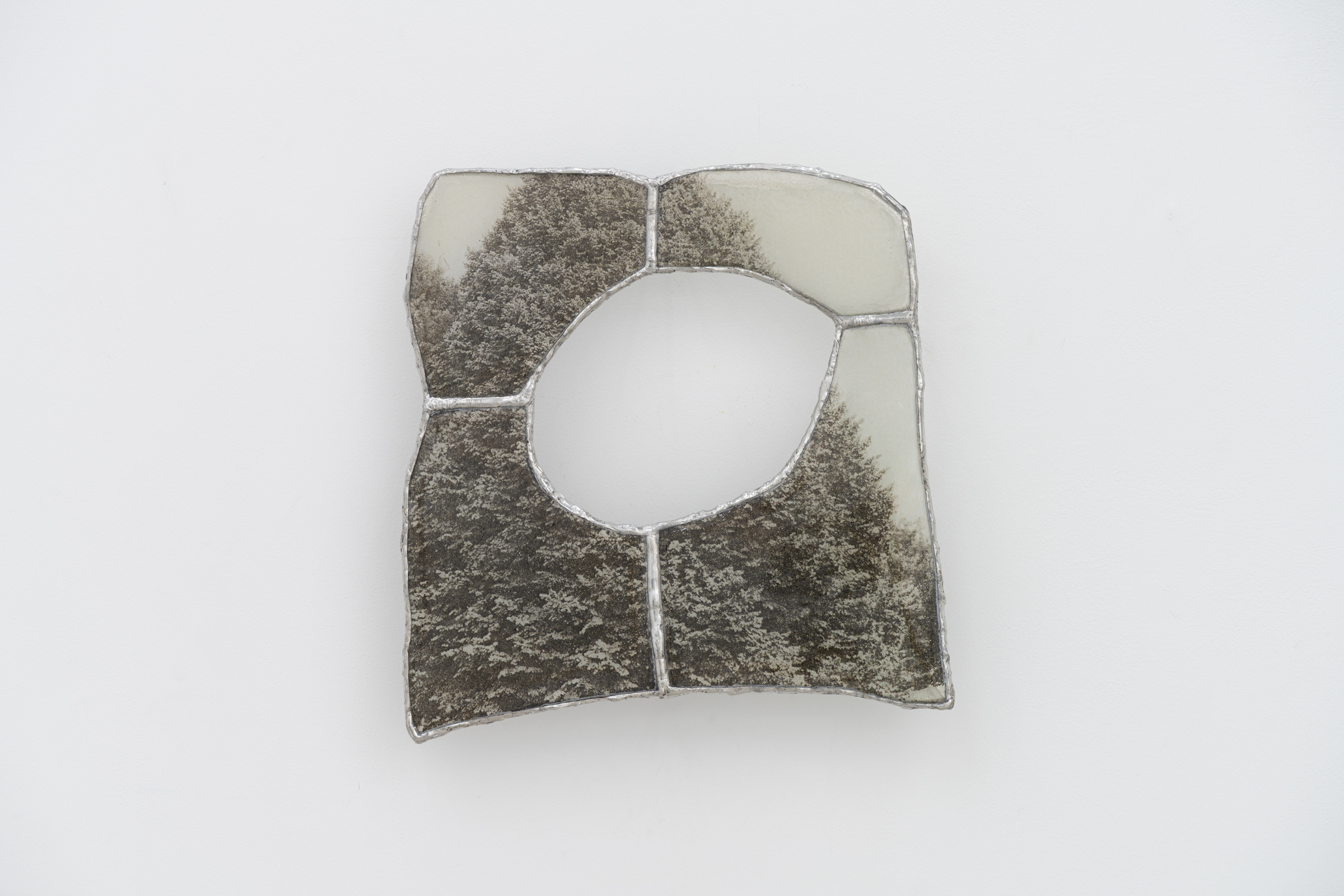
엠버 토플리세크의 시선은 언제나 미완의 찰나에 머문다. 화면 속 상들은 주로 초점이 비껴 있거나 포착 직전에 놓친 듯 어렴풋하다. 주지하다시피 사진은 빛이 닿은 부분과 닿지 않은 부분의 차이로 생성된다. 다시 말해 노출과 명암, 감광과 비감광의 구조 위에서 빛에 의해 드러나거나 동시에 가려지는 것들로 구성된다. 토플리세크는 이를 대상을 기록하는 매체를 넘어 보이지 않는 시간의 밀도를 시각화하는 감각적 장치로 여기고, 유리라는 매개물에 새겨 이미지가 담지하지 못한 사건의 배후를 암시하고자 했다. 그가 붙잡고자 하는 것은 작고한 이의 여행 수첩에서 발견한 말의 뒷모습(Light Veiled), 한밤중에만 피어나는 세레우스 선인장의 꽃(In There)처럼 직접 보아 알지 못하는 잔상일 테다.
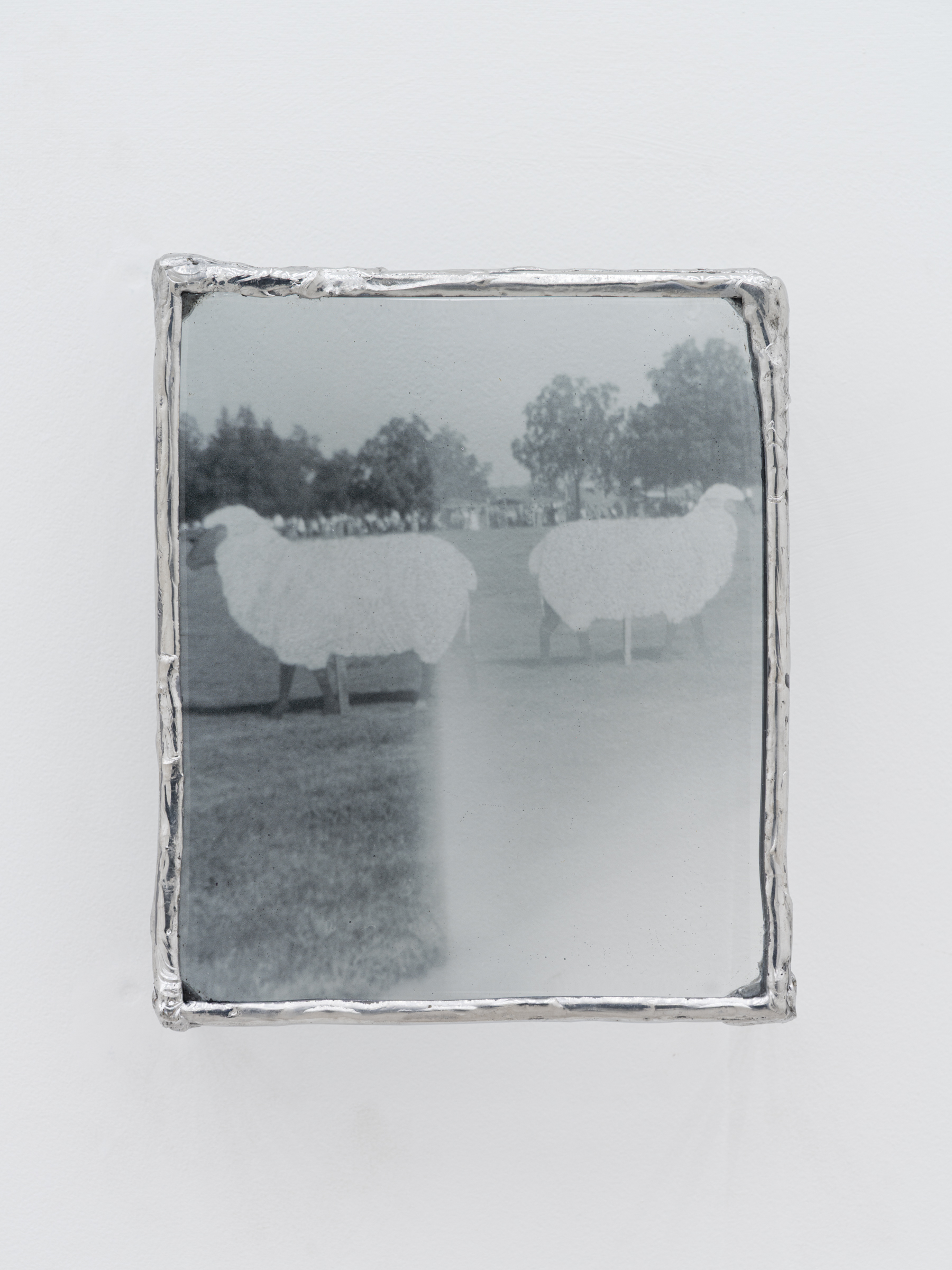
한편, 초기 사진의 감광판이자 현대인의 시각 경험을 규정하는 스마트폰 스크린으로서 유리는 진실과 환영을 동시에 품는다. 빛과 관람자의 움직임에 따라 색과 투명도가 변화하는 표면은 지지체 또는 막(膜)인 동시에 시선이 미끄러지는 경계가 되고, 불규칙하게 조각나거나 구멍이 뚫린 화면은 이미지의 본질을 보는 행위의 한계로부터 승화시키려는 작가의 의지를 내포한다. 더욱이 불분명한 시점, 흐릿한 색조, 희미한 형상들은 기억이 증발하고 납작해지는 경로를 표상한다. 마침내 공중에 매달린 개체들은 고정되지 않은 시공의 흐름 속에서 실재와 허상의 경계를 넘나드는 잠정적 상태로서 존재한다.
환경은 대부분 사물로 이루어져 있다. 사물은 물질세계에 있는 모든 구체적이며 개별적인 현존을 칭한다. 다만 오늘날에는 시뮬레이션이나 인공지능 같은 비사물이 물밀듯 자리를 꿰차고, 이제 우리는 가상의 공간 속에서 서슴없이 이미지를 소비한다. 일부는 현실의 밀도가 낮아진 탓에 투명하고 불안정한 표피 안팎으로 숨을 내쉬기 바쁜 듯도 하다. 그러나 유령에 가까워지는 여건 속에서도, 자꾸만 가벼워지는 형상을 구태여 그러쥐는 움직임이 있다. 손끝으로 만질 수 있는 대상과 아닌 것의 무게를 헤아려 보는 것. 이로써 세상은 한쪽만이 오롯이 차지할 수 없다는 사실을 깨닫는다.
글ㅣ이유진 (디스위켄드룸 큐레이터)
“Counterform” is a term from typography referring to the empty or negative space shaped by a glyph. For instance, it may be the entirely enclosed cavity within the letter “b,” or the partially open void in “n,” an area defined by the contours of a figure yet difficult to name on its own. This space is not merely an absence but can also be understood as a kind of negation that gives presence its meaning. Can a space unoccupied by form take on a compositional role equal to what is visible and material? If form and void, presence and absence, fullness and emptiness define one another, then perhaps the nature of the world can be discerned through the perception of this invisible interval. The exhibition juxtaposes the ways in which Jong Oh and Amber Toplisek each explore the notion of the unseen form. The margins that surround the tangible, the light that grazes the surface of an image, and the faint residues of memory intersect and resonate within a shared space, revealing the outer edges of existence. Through acts of perception and transformation, the two artists ask what has been emptied, and how what is emptied may come to generate meaning. Ultimately, their works unfold as silent shadows that rest upon invisible structures and delicate orders of vision.
Jong Oh sensitively perceives the gravity and weight that create the linear rhythm of structure, engaging with space through acts of subtraction. While contrasts of point, line, and plane are often sustained by a calculated physical balance, he overturns such logic, unfolding instead a strange cosmos of geometry. His works elicit quiet surprise, where the unexpected emerges from what feels familiar. Within the exhibition, viewers may discern two kinds of walls: the “given,” whose back remains unseen, and the “constructed,” whose reverse side is exposed. Historically, walls have divided the political from the personal, the public from the domestic, boundaries that have grown increasingly solid. Yet Oh mimics these partitions with delicate lines, suggesting a brief detachment from one’s own wall, and by extension, from the world or the self upon which one stands.
The artist continually crosses the boundaries between public and private realms, setting a pendulum of illusion into constant motion. He also focuses on moments of tension and balance when materials of differing properties meet, allowing their qualities to be exchanged. Thread, glass, felt, mirror, wire, and light maintain a temporary equilibrium according to his sense of their weight and texture. Rather than occupying space as finished structures, they exist as processes of continual adjustment. Each work becomes a site where micro and macro structures intersect, generating a third, in between form.
Amber Toplisek’s gaze lingers in moments that are never fully complete. The images in her work are often slightly out of focus or seem to have slipped from capture. Photography, formed through differences between what light touches and what it leaves in shadow, is composed of what is revealed and what is concealed. Toplisek considers this not merely a medium for recording but a perceptual instrument that visualizes the unseen density of time. By printing on glass, she evokes presences the image itself cannot contain: the trace of two horses found in a deceased traveler’s notebook(Light Veiled), or the flower of a night blooming cereus(In There).
As both the photosensitive plate of early photography and the screen of contemporary vision, glass holds truth and illusion at once. Its surface, shifting in color and transparency with light and the viewer’s movement, becomes both support and membrane, a boundary across which the gaze glides. The fractured or punctured image plane reflects the artist’s intent to turn the limits of vision into something beyond seeing. The indeterminate viewpoint, muted tones, and faint outlines evoke how memory evaporates and flattens over time. Suspended in midair, her images hover between the real and the illusory within an unfixed flow of space and time.
Our environment is composed largely of objects, concrete and individual presences within the material world. Yet today, immaterial entities such as simulations and artificial intelligence increasingly occupy this terrain, as we consume images freely within virtual space. In such conditions, reality seems to have lost its density, and we breathe through transparent, unstable surfaces. Still, even as objects verge on becoming spectral, there remains a persistent urge to grasp what grows lighter, to measure the weight of what can and cannot be touched. Through this, we are reminded that the world can never belong entirely to one side.
TextㅣYoojin Lee (Curator, ThisWeekendRoom)
← Everything Returns to Desert