최지원 개인전
Jiwon Choi’s solo exhibition
22 May – 13 Jun 2020
ThisWeekendRoom
Artist
최지원 Jiwon Choi →
Credit
기획|디스위켄드룸
글|이가현
사진|이정우
후원|(재)예술경영지원센터
Curated by ThisWeekendRoom
Text|Amy Gahyun Lee
Photography|Jungwoo Lee
Support|Korea Arts Management Service
Exhibition Text
어떤 대상을 어떻게 그릴 것인가
스튜디오에서 처음 만난 최지원 작가는 그림을 그릴 때 언제나 ‘어떤’ 대상을 ‘어떻게’ 그릴 것인지에 대해 고민해왔다고 얘기했다. ‘무엇을’ ‘왜’ 그리는 지가 아닌, 대상을 그리되, ‘어떤’ 대상을 ‘어떻게’ 그릴 것인지에 집중한다는 작가는 어떤 작가를 좋아하냐는 상투적인 스튜디오 인터뷰식의 질문에 뤽 튀만(Luc Tuymans)와 미카엘 보레만스(Michaël Borremans), 그리고 알렉스 카츠(Alex Katz)의 이름을 얘기했다. 그럼 인물화를 주로 그리는 작가를 좋아하냐는 다음 질문에 그녀는 꼭 그런 것만은 아니라고 답했는데, 인물이 아니라면, 이 세 선배 작가에 대한 작가의 애정과 존경은 도대체 어디서 비롯된 것인가에 대해 생각하던 차, 문득 그녀와 나눈 대화의 첫 마디가 떠올랐다. ‘어떤’ 대상을 ‘어떻게’ 그릴 것인가. 작가는 아마도 이 세 선배 작가들의 그림을 보며 그들이 저마다의 붓의 움직임을 통해 화면 위로 옮겨 놓은 ‘대상’과 이러한 대상들에 닿았던 그들의 시선을 열심히 쫓았을 것이다.
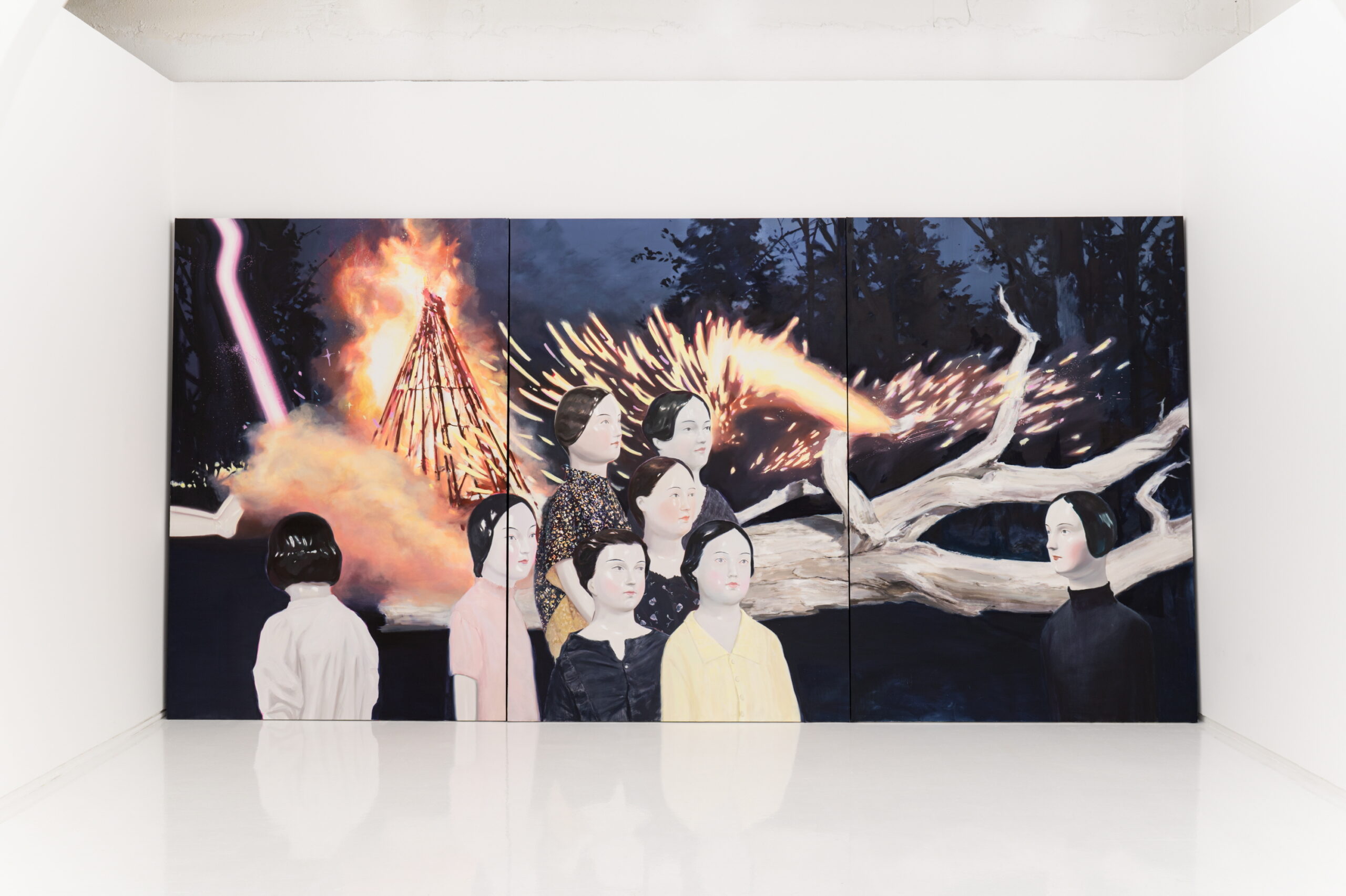
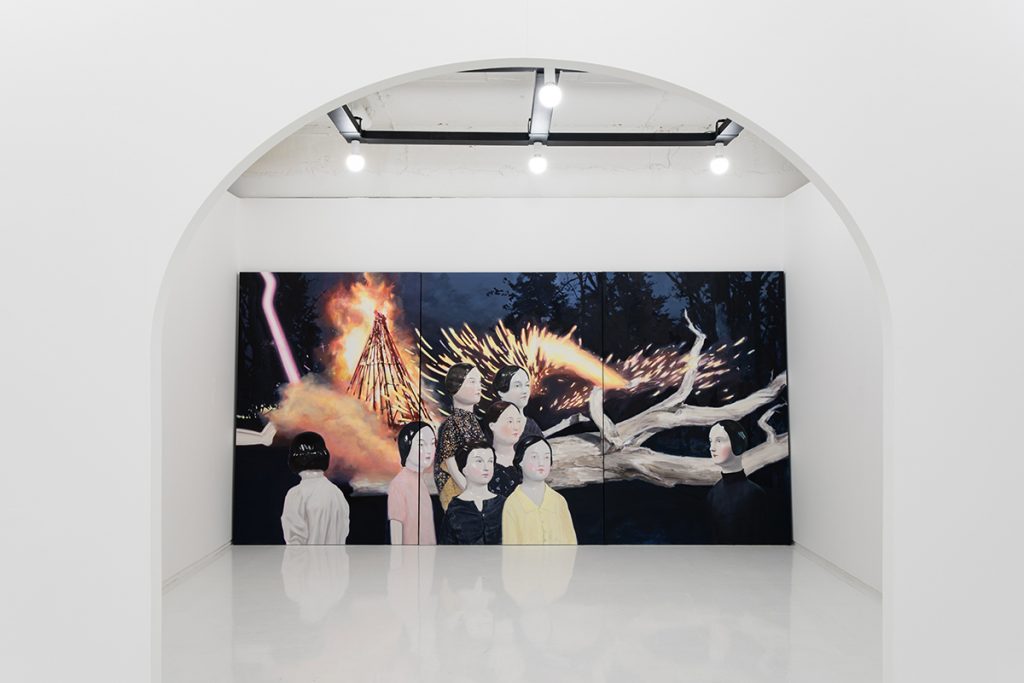
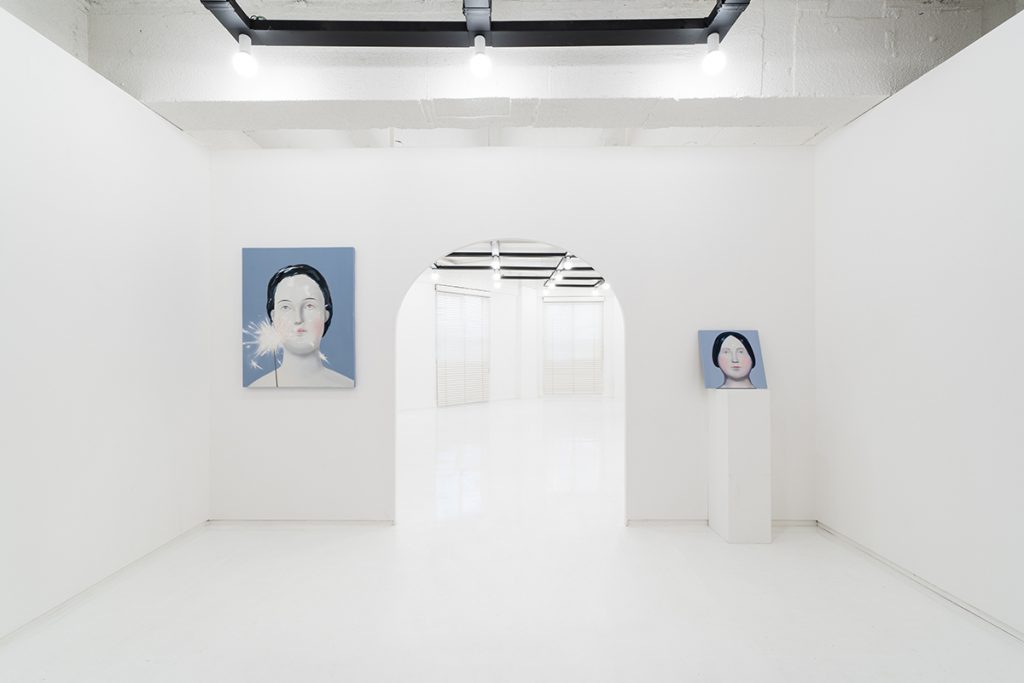
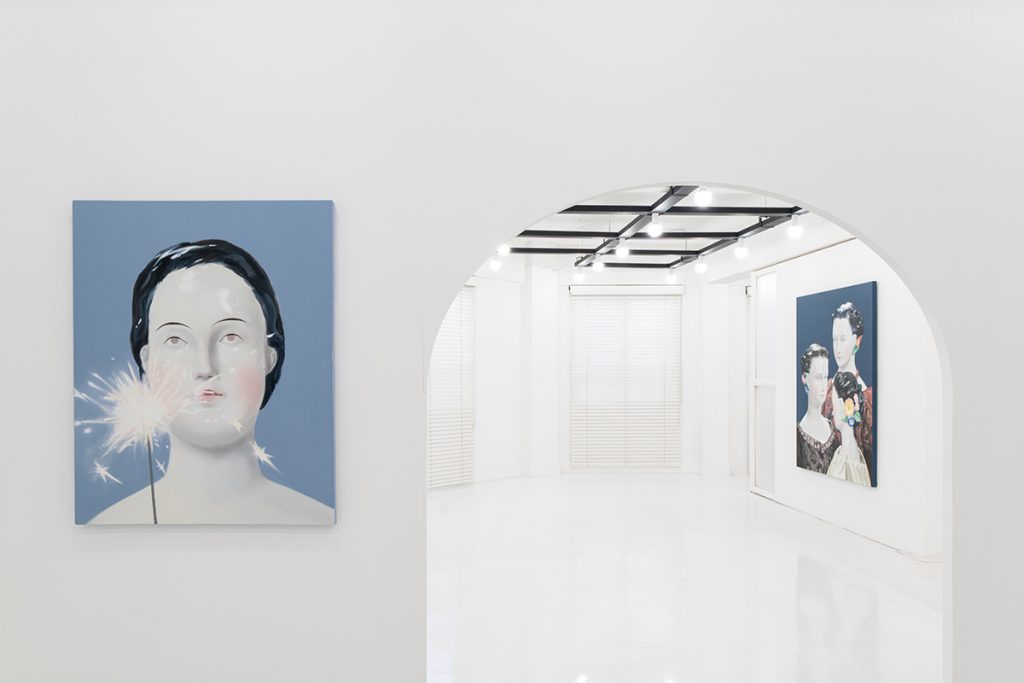
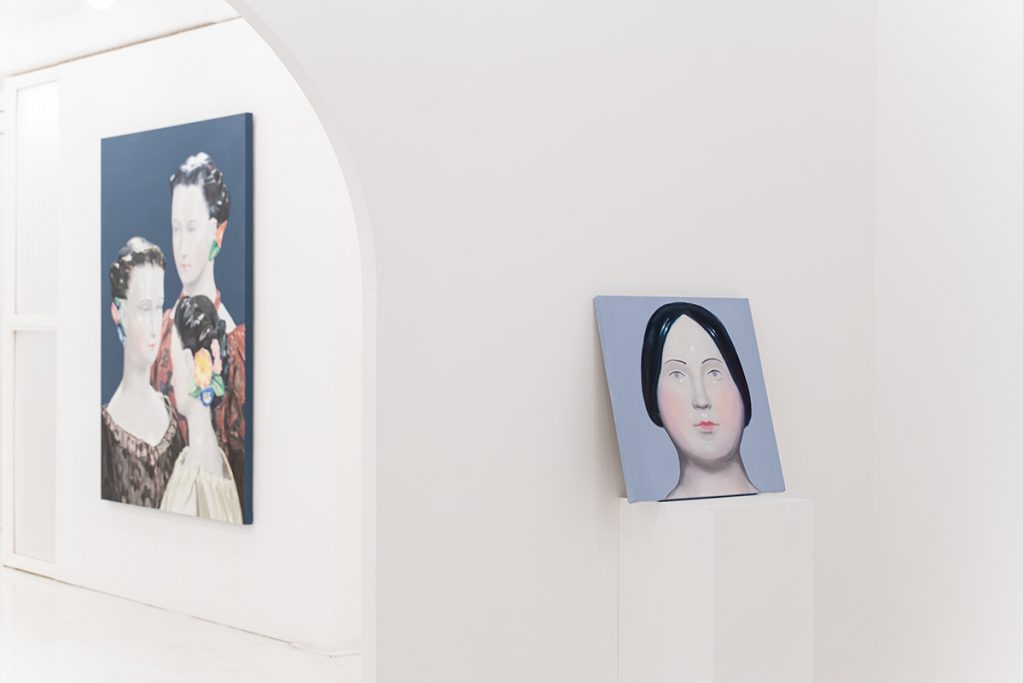
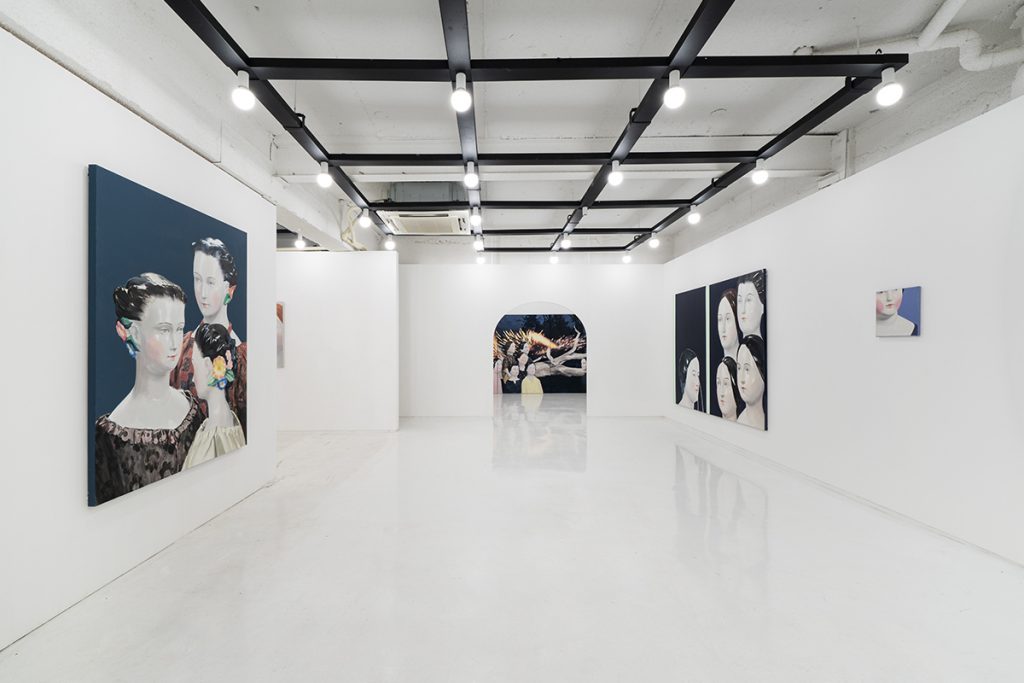
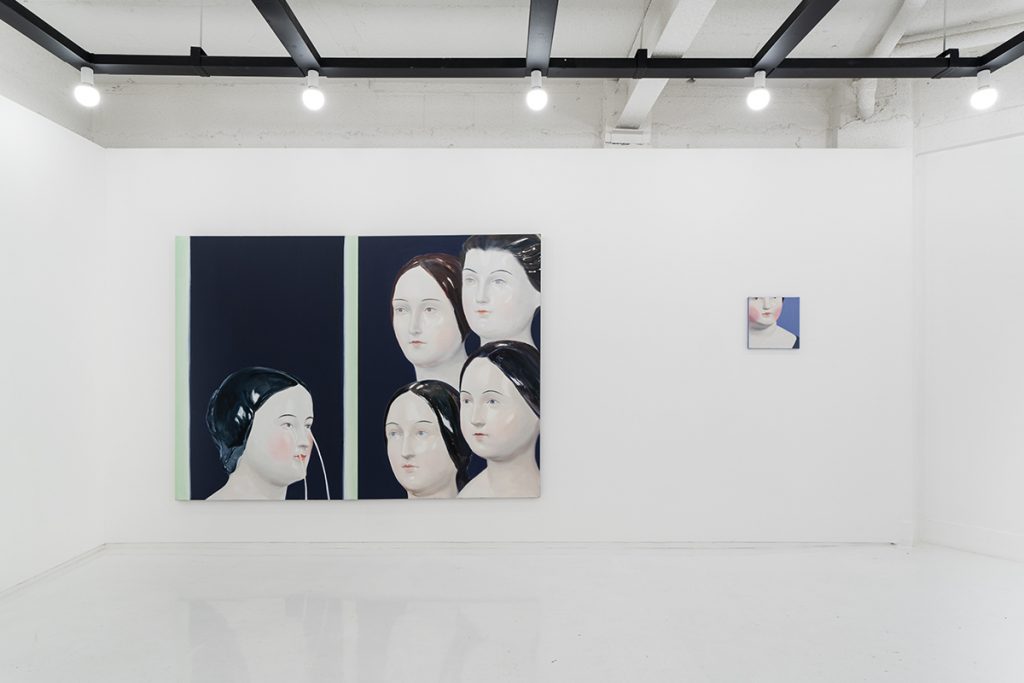
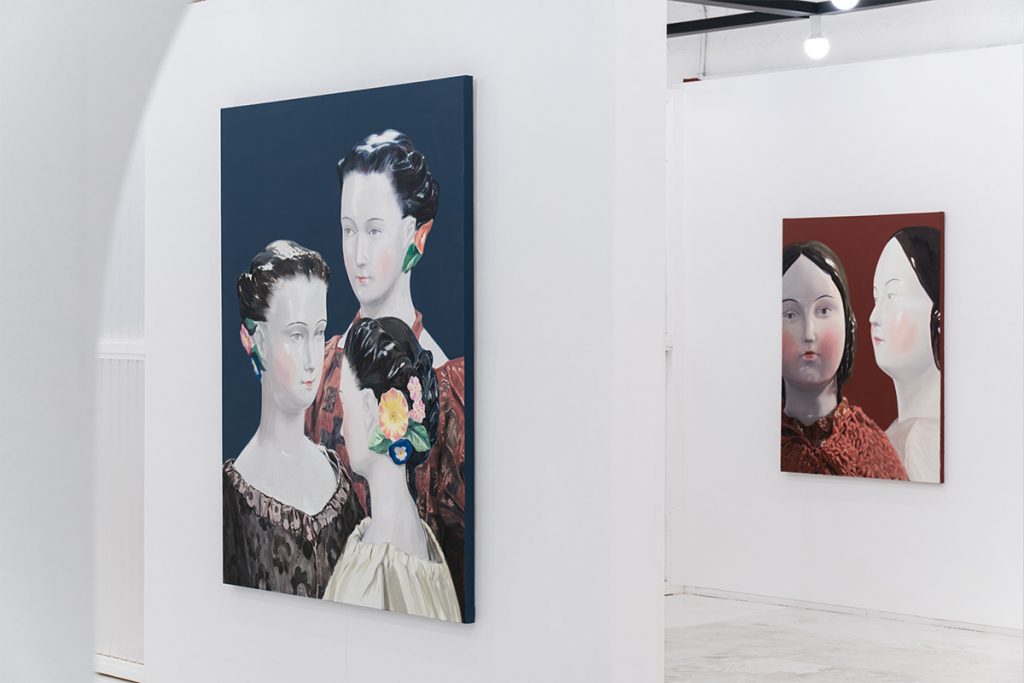
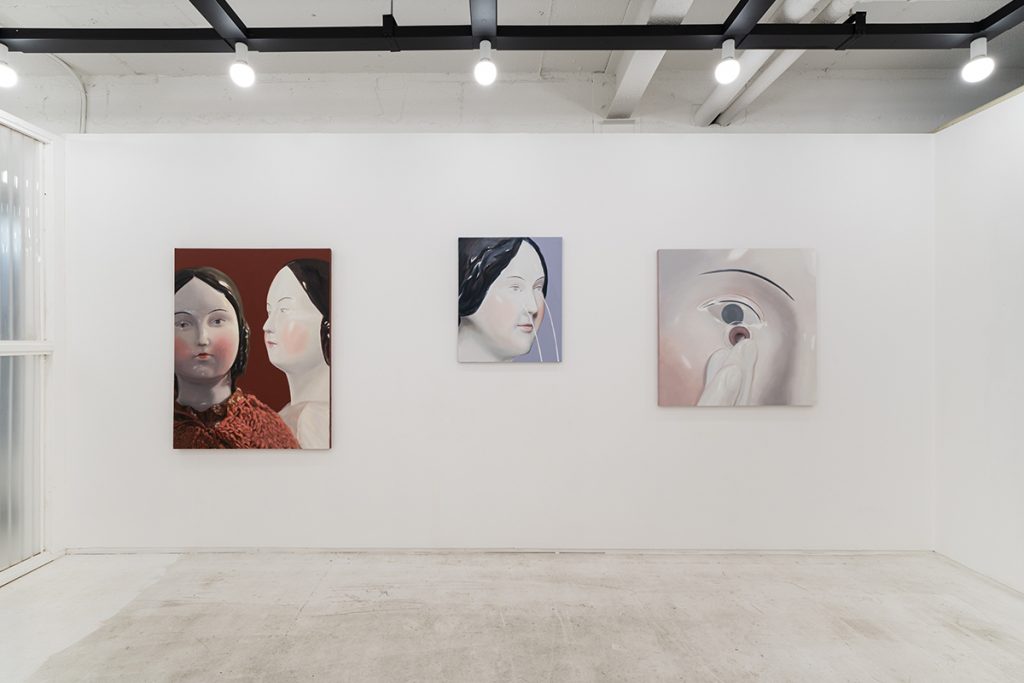
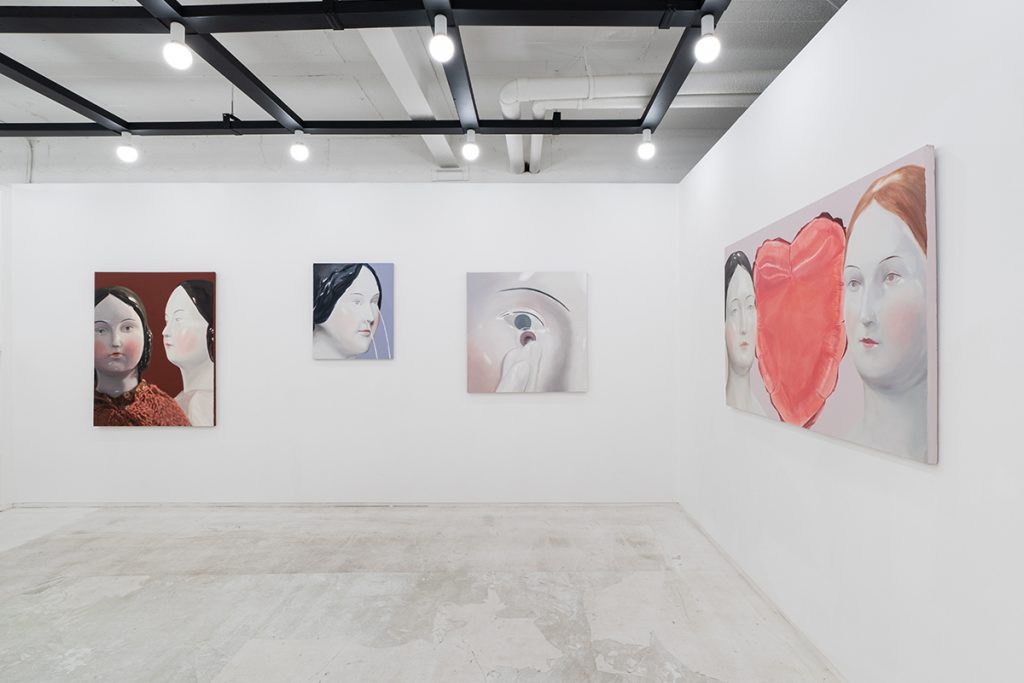
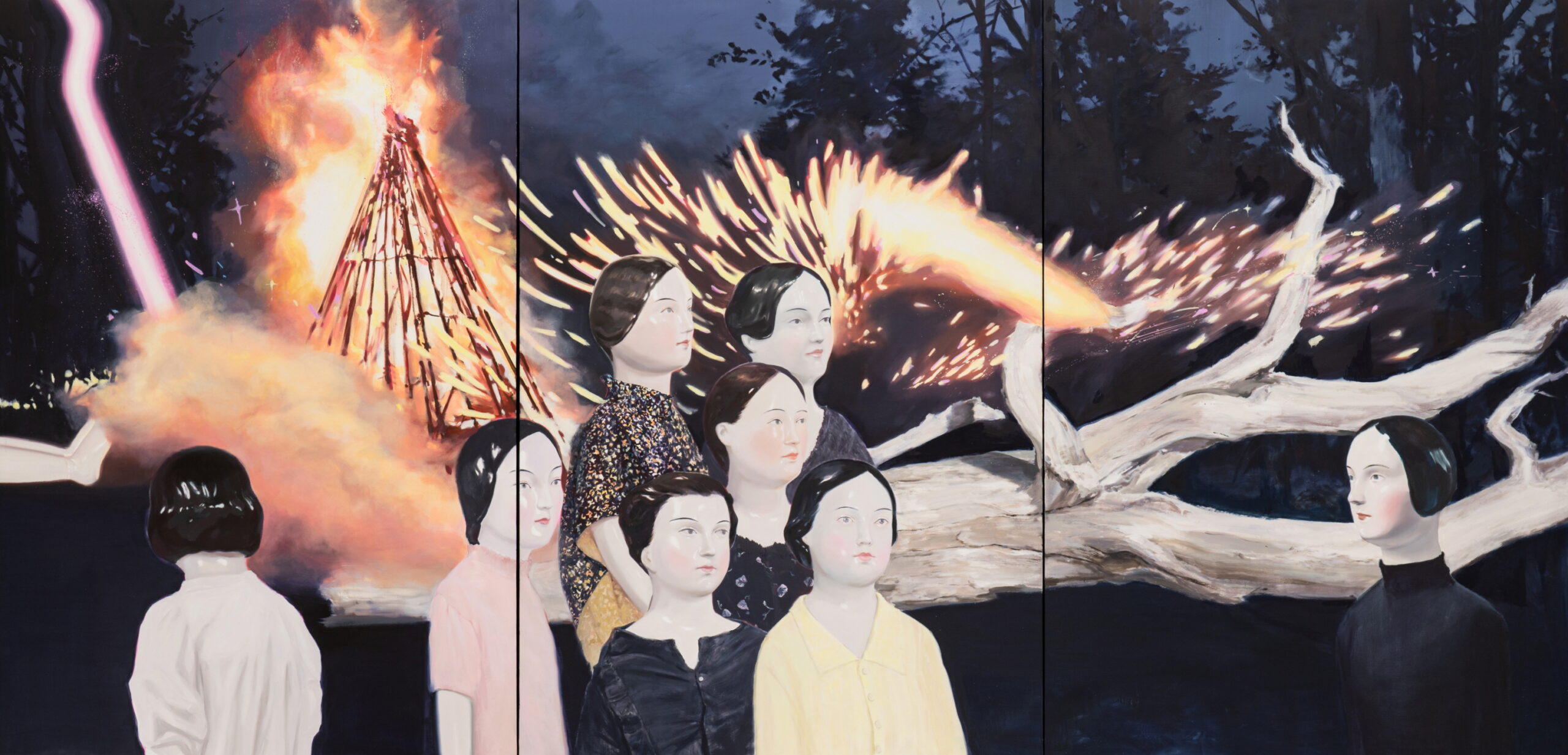
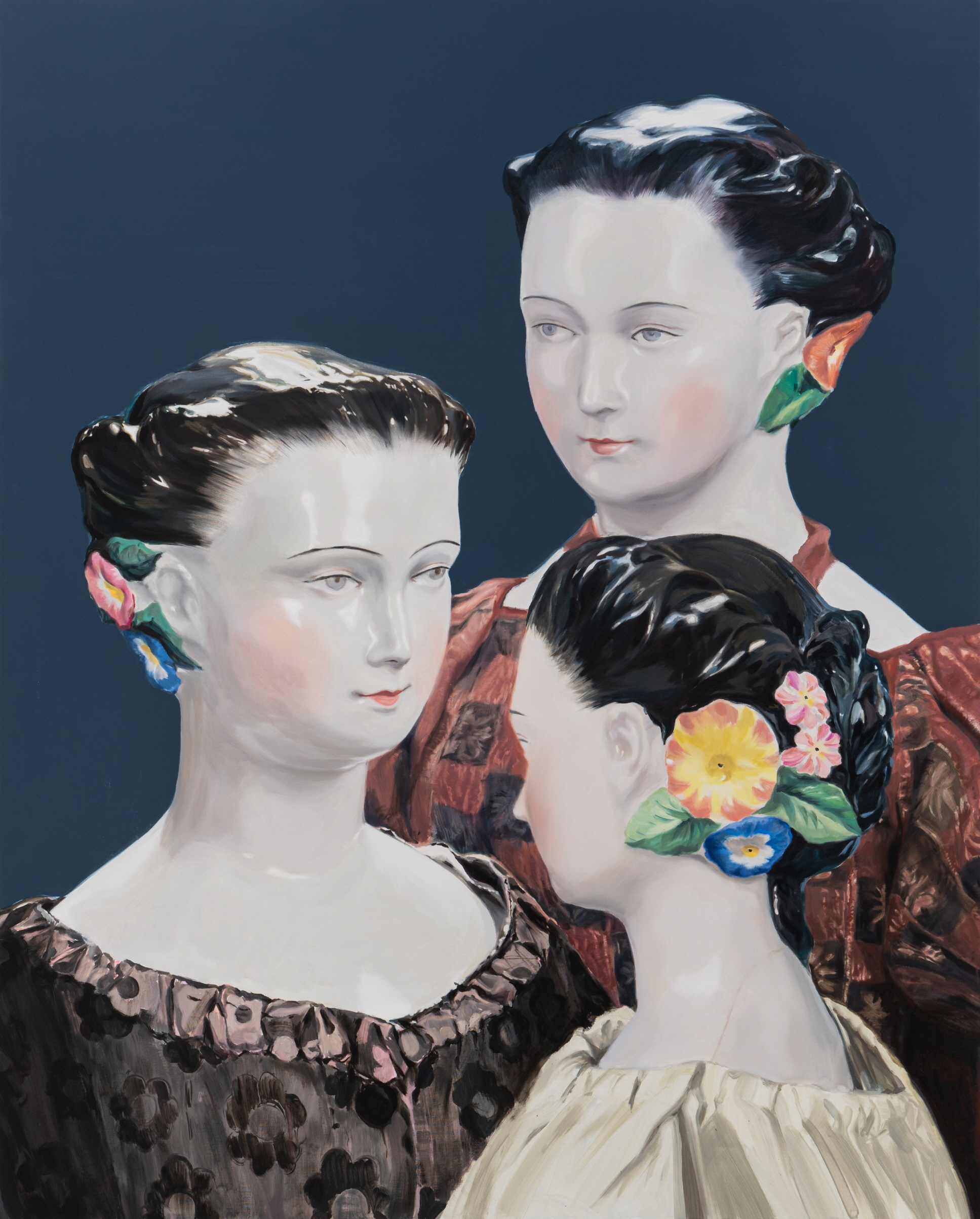
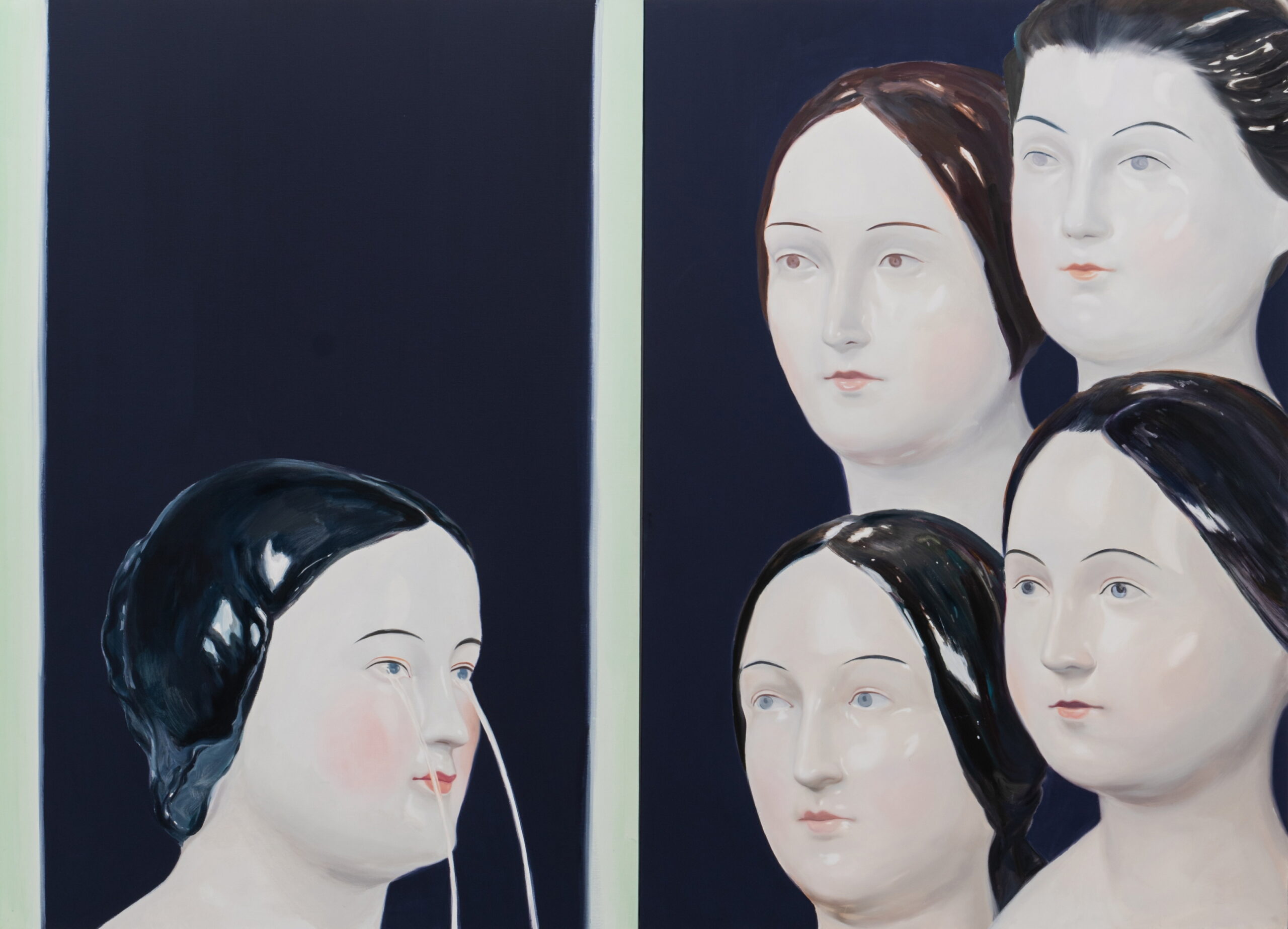
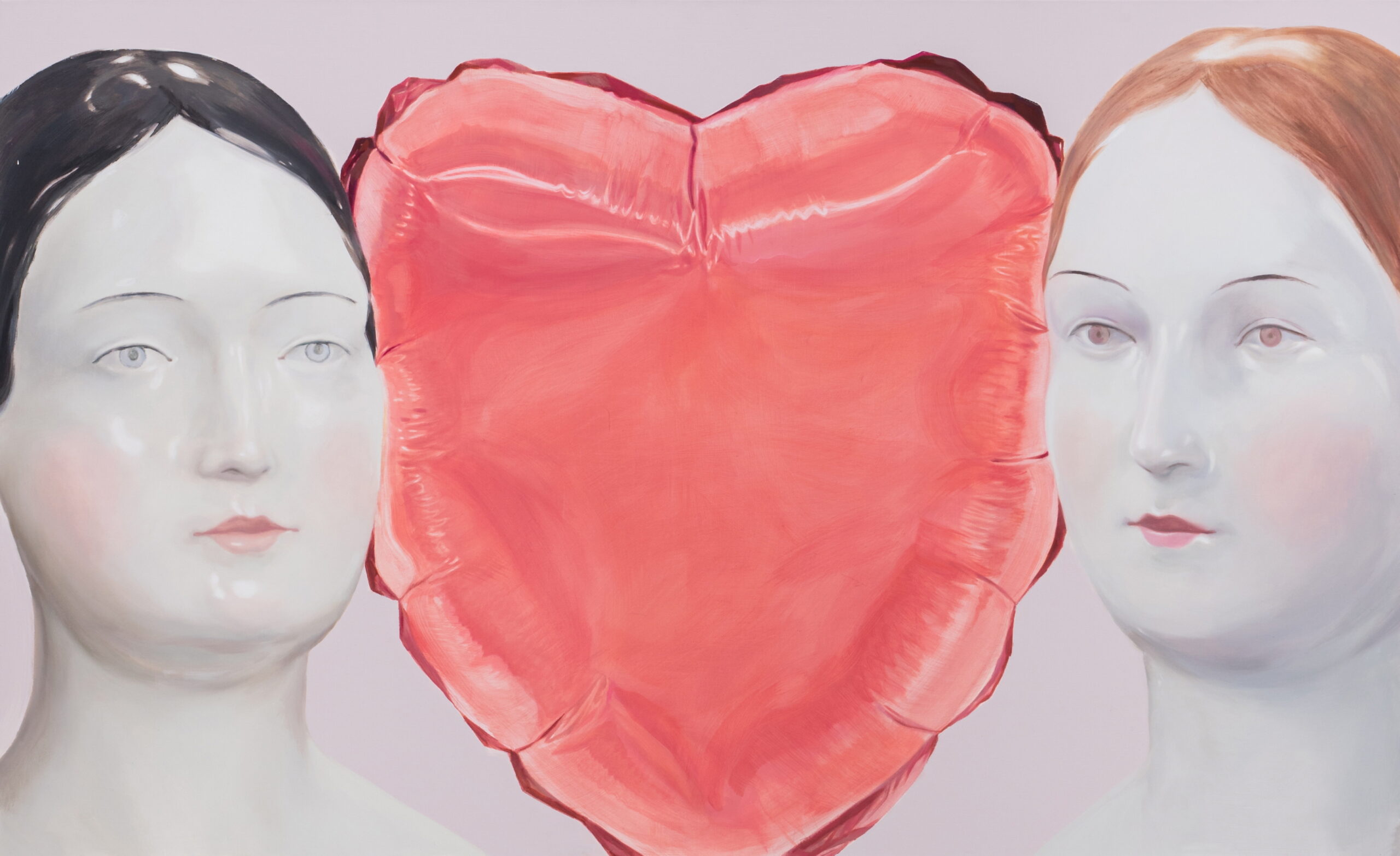
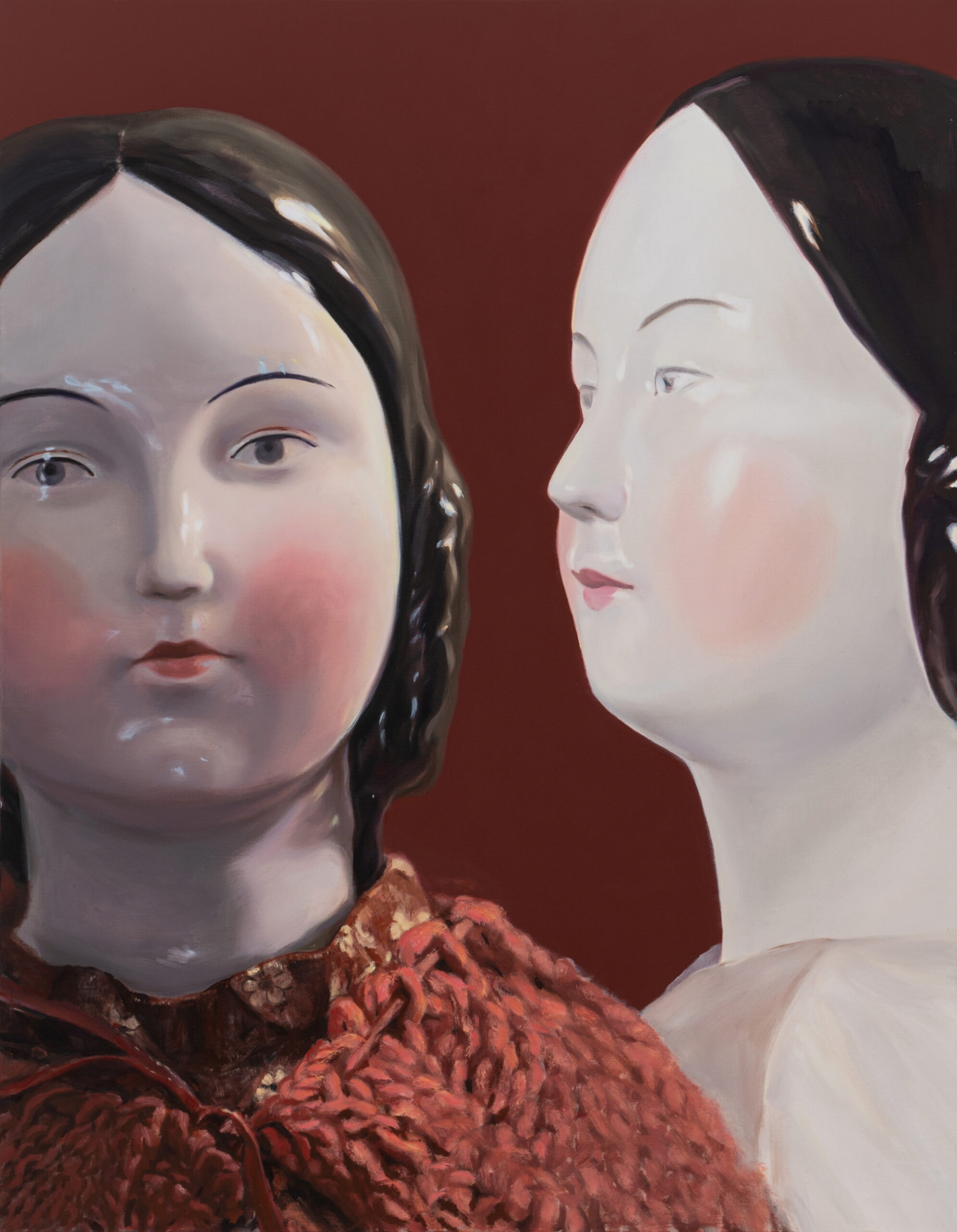
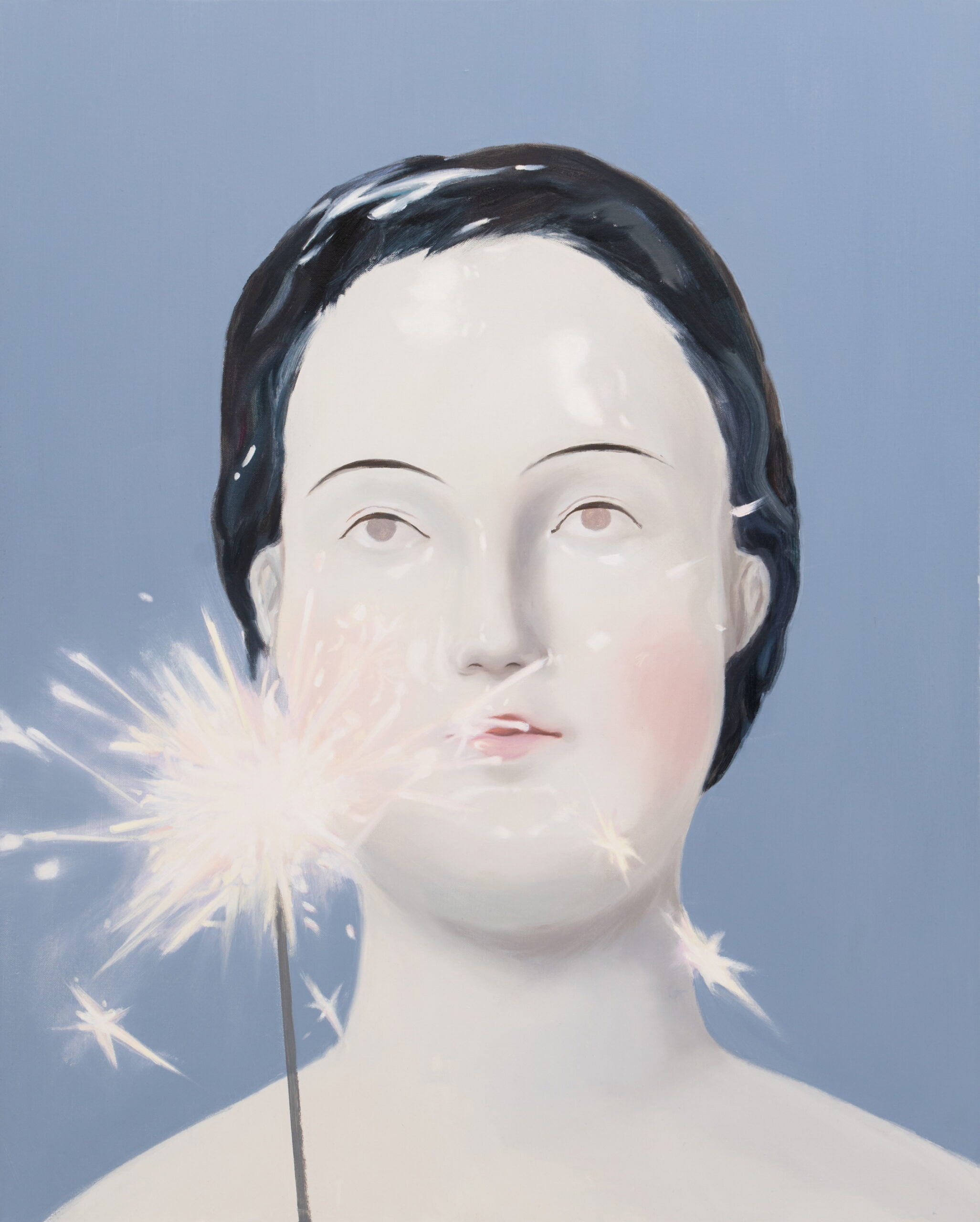
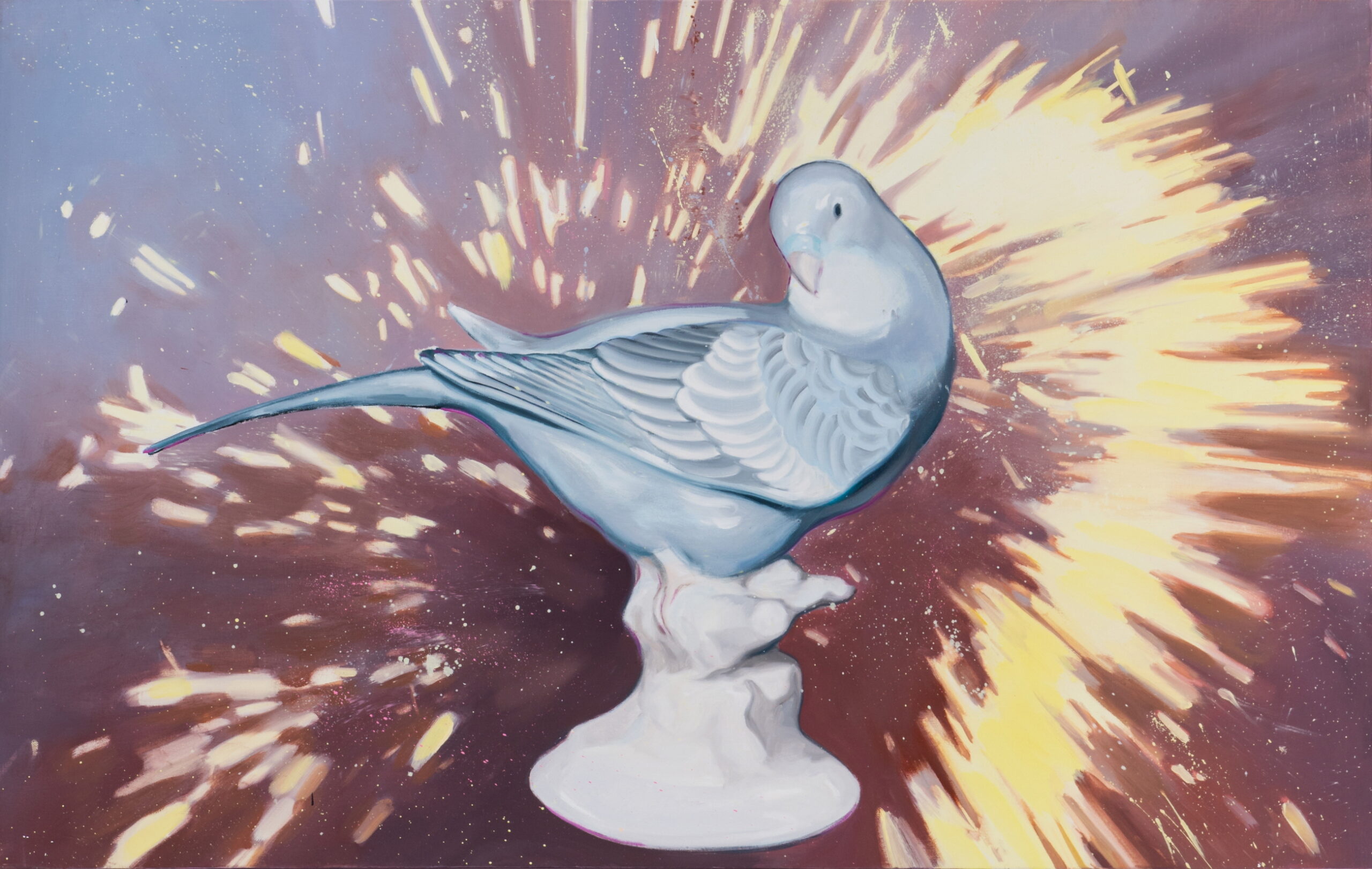
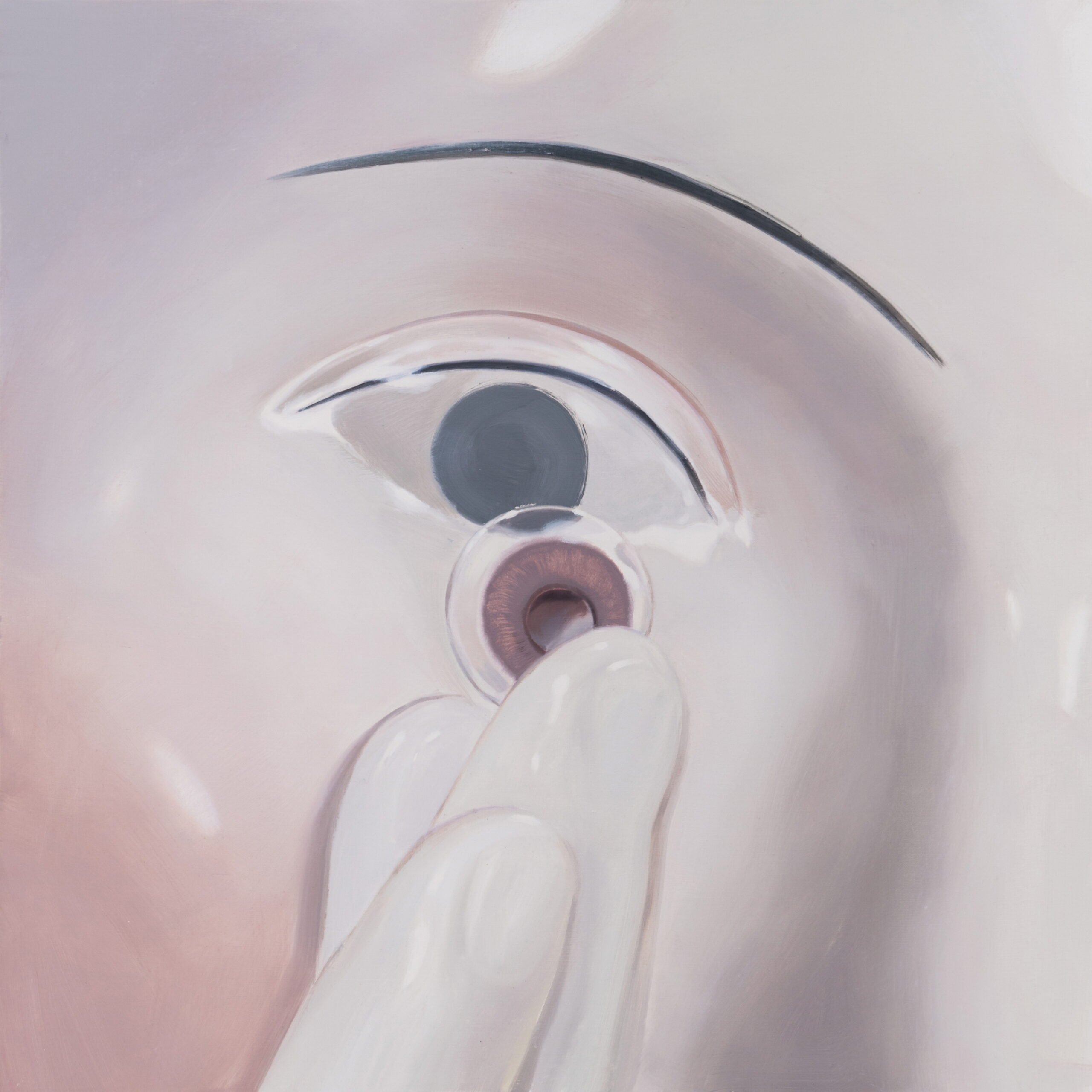
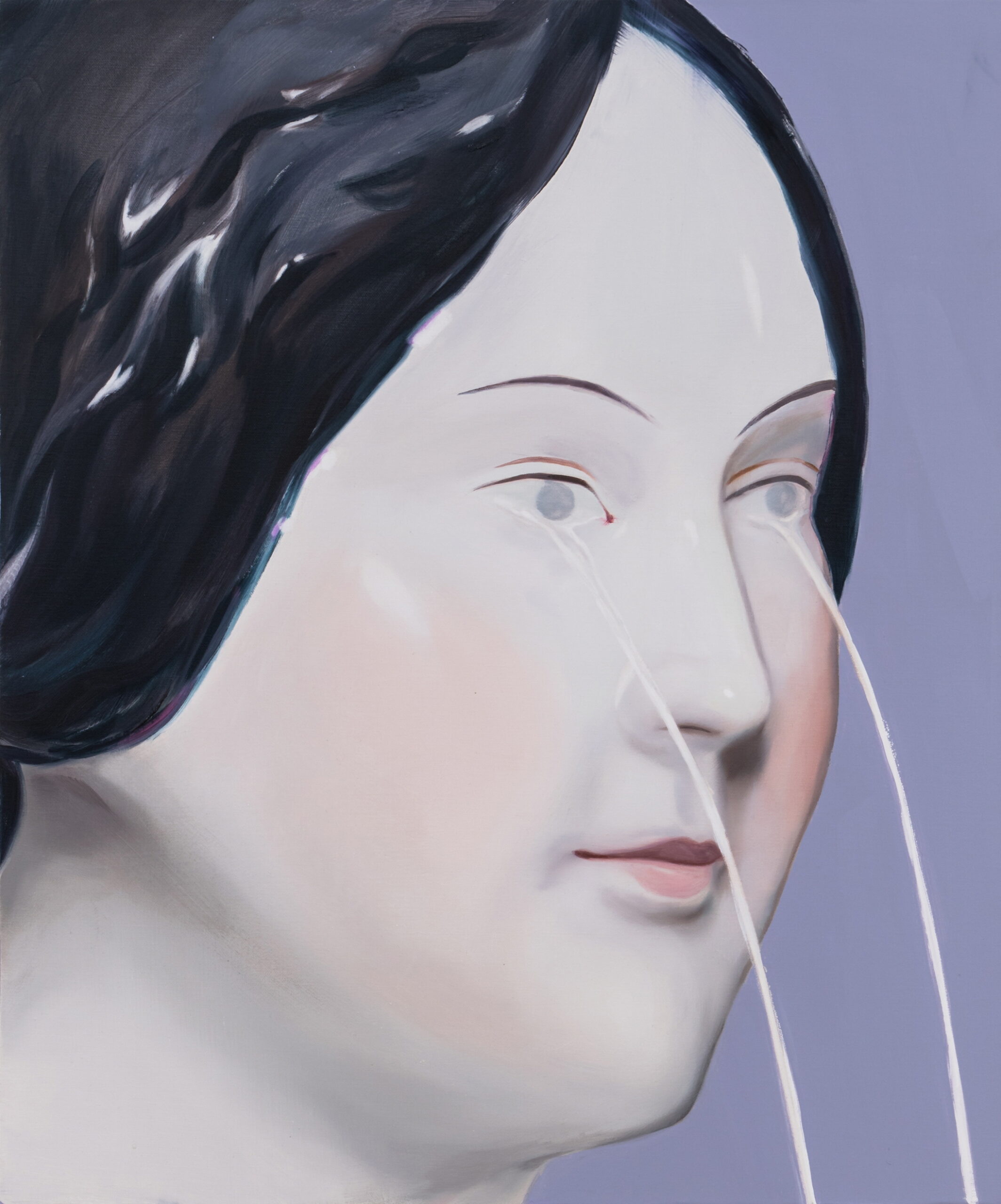
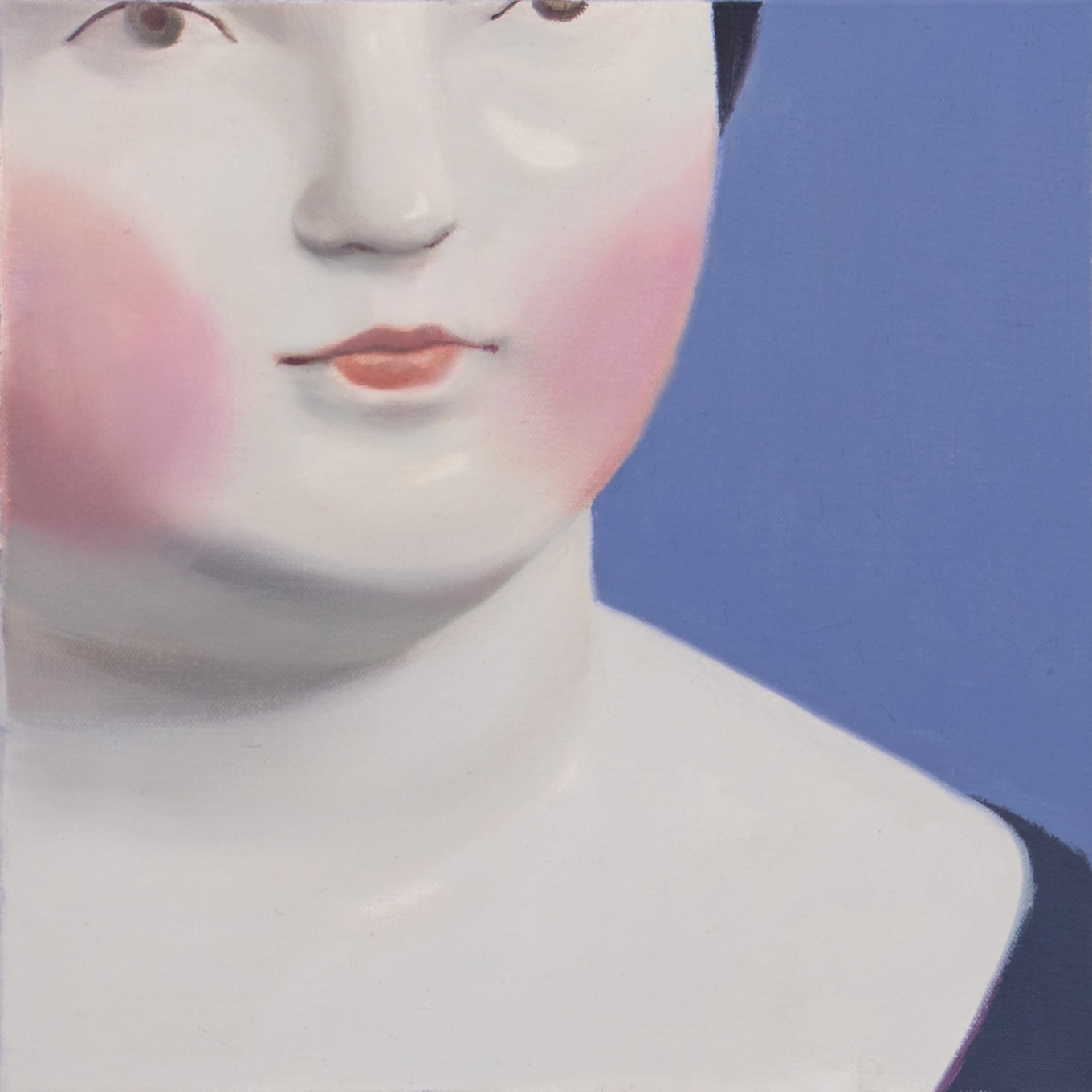
가을이 끝날 무렵부터 작가는 도자기 인형을 닮은 인물을 그리기 시작했다. 조금 더 정확히 말하자면 인간의 형상을 한 도자 장식품이 가지는 매끈하고 반짝이는 느낌을 인물에 덧발라 그리기 시작했다. 쉽고 가볍게 소비된 후 신속하게 폐기되는 ‘요즘의’ 감정들을 그리고 싶었다는 작가는 아름답지만, 부주의하면 순식간에 깨져버리고 마는 도자기 인형의 시각적 특성을 대상에 입혀, 폭죽이 터져도 반응하지 않고, 으슥한 숲길에서도 담대하게 걸을 수 있는 무감각한 표정의 인물들을 그려냈다. 작가가 도자기 인형의 제작 공정이나 물성을 깊이 연구한 것은 아니다. 사실 이건 그녀에게 중요한 부분이 아니다. 단지 고민한 것은 ‘어떻게 그릴 것인가’에 대한 것인데, 이러한 고민을 거쳐 탄생한 작가의 ‘매끈하게 빛나는 도자기 인물’들은 작품 속에서 그녀가 그리고자 했던 바로 그 ‘요즘의’ 감정을 충실히, 그리고 영리하게 전달한다.
최근 몇몇 전시에서 본 젊은 회화 작가들이 (그들의 그림이) ‘사건’과 ‘현상’으로부터의 인상에 몰두하며, 매체 자체보다는 매개체로서 화면을 대하는 경우가 많았다면, 최지원 작가는 회화라는 매체와 그림을 그리는 행위에 집중하며, 스스로의 아이덴티티를 ‘페인터’에 조금 더 가까이 두고 있었다. 그녀의 그림은 소위 말하는 ‘요즘 작가들의 트렌디한 그림’과는 거리가 먼데, 오히려, 그녀가 매체와 화면에 가지는 태도와 책임감은 선배 작가들의 그것을 닮아 있다.
“힘을 크게 들이지 않고 고통의 감정을 그리는 방법에 대해 늘 고민해요.” (I have always been interested in how you can depict suffering without being heavy-handed.)” 하루하루 모은 이미지 아카이브에서 본 인물들로부터 받은 찰나의 인상을 추상에 가까운 붓질로 그리는 마를렌 뒤마(Marlene Dumas)의 초상은 절제된 그녀의 표현에도 불구하고 언제나 깊은 감정을 이끌어낸다. 뒤마는 인물의 흐린 윤곽선 위로 수채 표현으로 여겨질 만큼 물을 잔뜩 머금은 투명한 색을 여러 번 덧 입히는데, 이를 통해 스치는 타인일 수 있었던 대상이 가지고 있는 겹겹의 감정을 관객과 공유한다. 뒤마가 이미지 너머의 대상을 읽는 태도와 대상의 감정을 본인의 회화 언어로 구현하여 관객에게 울림을 전하는 방식은 최지원 작가가 자문하는 질문을 앞서 고민했던 이로써, 선배 작가가 찾은 해답일 것이다.
‘어떤’ 대상을 ‘어떻게’ 그릴 것인가. 그림을 그리는 작가가 어쩌면 너무나 당연하게 고민해야할 부분이나, 이 기본을 마음 써 고민하는 작가의 그림엔 발걸음을 잠시나마 묶는 당김이 있다. 앞으로도 최지원 작가는 이 질문에 대한 그녀의 그때 그때의 대답들을 관객들에게 그림으로 보여줄 텐데, 그 대답과 대답이 쌓이고 쌓여, 더욱 더 단단해질 그녀의 다음 화면들이 기대된다.
글|이가현 (Eazel 큐레이터)
How to paint and what to paint
At our first encounter in a studio, Jiwon Choi, the artist told me that How to paint and what to paint has always been at the heart of her work. The artist, who focuses more on these two rather than just object and why, came up with names of Luc Tuymans, Michaël Borremans, and Alex Katz when she was asked about one of the typical studio interview questions on her favorite artists. When I said you like figurative artists, she told me that it’s not always the case.
Her answer made me wonder where her affection and respect toward these three “senior” artists come from. Then, our first conversation came to my mind: She cares How to paint what object. Probably, while the artist was looking at the paintings from these three artists, she has enthusiastically been following ‘objects’ that are recreated on canvas with each unique brushstroke of the artists and their gaze that was met with the objects.
Choi started to paint ceramic dolls-like figures since last autumn nearly comes to an end. To be more specific, she added smooth and glossy characteristics that can be seen in surfaces of human-shaped china doll to her figurative paintings. The artist wants to depict emotions of people in ‘these days’ where everything is consumed easily and lightly and disposed quickly. She has added visual characteristics of beauty and fragility that a ceramic doll has into objects and created figures with insensitive expressions who are not frightened by explosion of fireworks and able to dully walk even in the deep and dark forest. The artists did not particularly study production process or prosperities of material in depth. To be honest, these are not essential parts of her concerns. ‘How’ to paint was the only concern she had, and it gave birth to ‘smooth and glossy ceramic doll figures’ which deliver emotions of ‘these days’ in full and smart manners.
I have witnessed in recent exhibitions that young artists tend to indulge in showing impressions from ‘incidents’ and ‘phenomena’ (in their paintings) and treat canvas not as a medium itself but rather an instrument. However, Choi focuses more on painting as a medium, and act of painting, thereby identifying herself more as a ‘painter’. Her works are far from ‘trendy paintings of young artists in her age’. Rather, her attitude and responsibility toward medium and canvas are closer to those of senior artists.
“I have always been interested in how you can depict suffering without being heavy-handed.” said Marlene Dumas. She got impression in a split second from daily-collected images in her archive. Her portraits depicted with abstract-like brushstroke in restricted manner always call out deep emotions. Dumas built multiple layers with watery and transparent colors on blurry lines of figures that even seem like watercolor expressions. By doing so, the artist shared layers of emotions with audience that could have been dismissed as an emotion of a stranger. Resonating the audience with emotions of objects using her own painterly language and an attitude of reaching beyond the images might be an answer to Jiwon Choi from the senior artist who already has tried to find an answer to her question.[1]
How to paint and What to paint. It may sound like an obvious concern that every artist should have, but there is some special attraction from the works of Choi who always keeps this basic in mind. She will be exhibiting her works to the audience as an answer to her question. Much expectation is given to her canvas that will be more mature and stronger as we have more answers from her.
[1] Jiwon Choi also collects images just as Marlene Dumas does. Dumas clips printed photographs, images from magazines and newspapers whereas Choi filled her laptop with digital images that she has found as references for her figurative paintings. If we can say while the archive of Dumas shows her to the objects including human beings, the young artist’s endless endeavor to achieve her expression of how can be found in Jiwon Choi’s archive.
Amy Gahyun Lee (CCO, eazel)

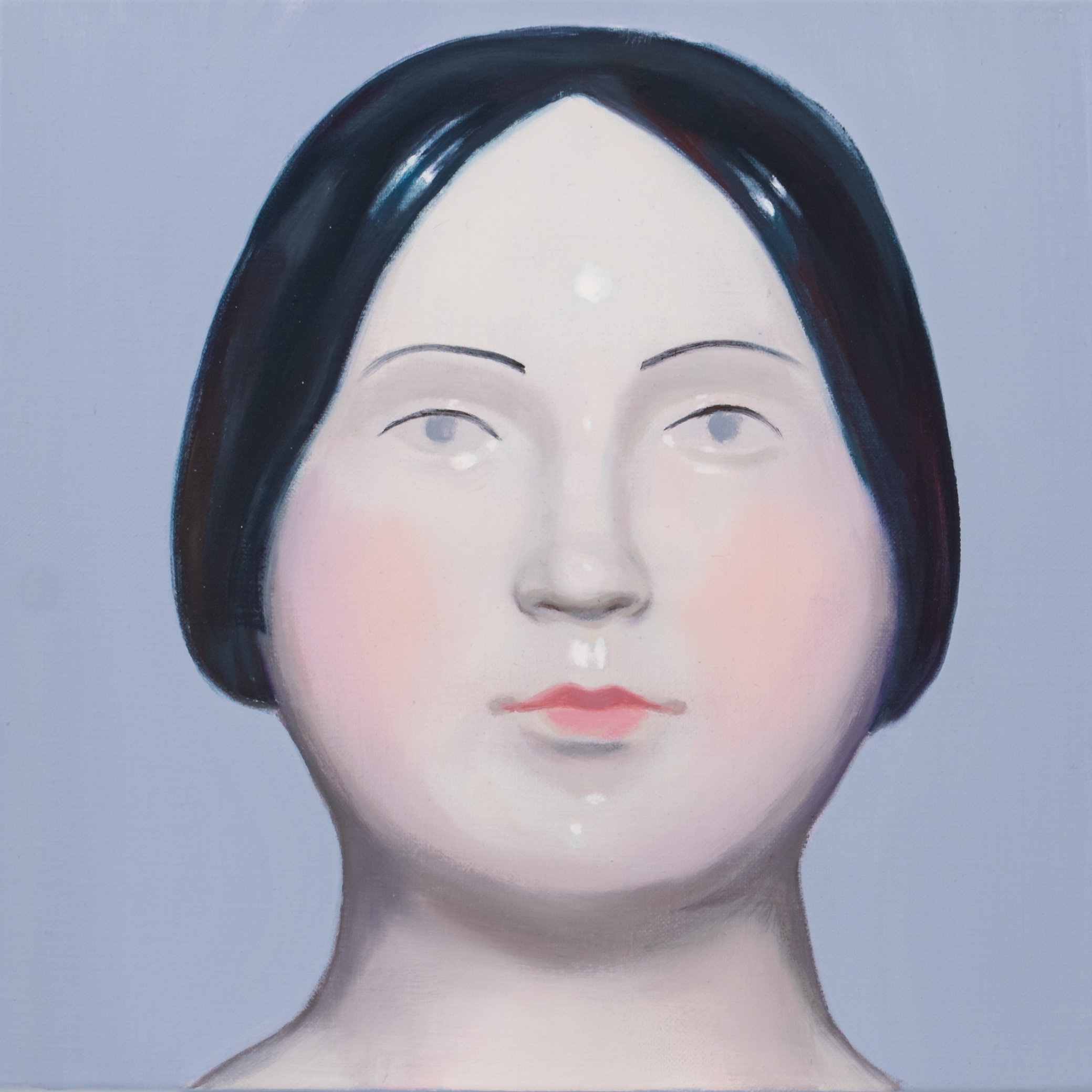
Low Temperature·Emotional Curve →