김진희, 최지원
Jinhee Kim, Jiwon Choi
17 May – 28 Jun 2024
Backstage, Shanghai, China
Credit
주최|백스테이지
협력ㅣ디스위켄드룸
Host|Backstage
CollaborationㅣThisWeekendRoom


Introduction
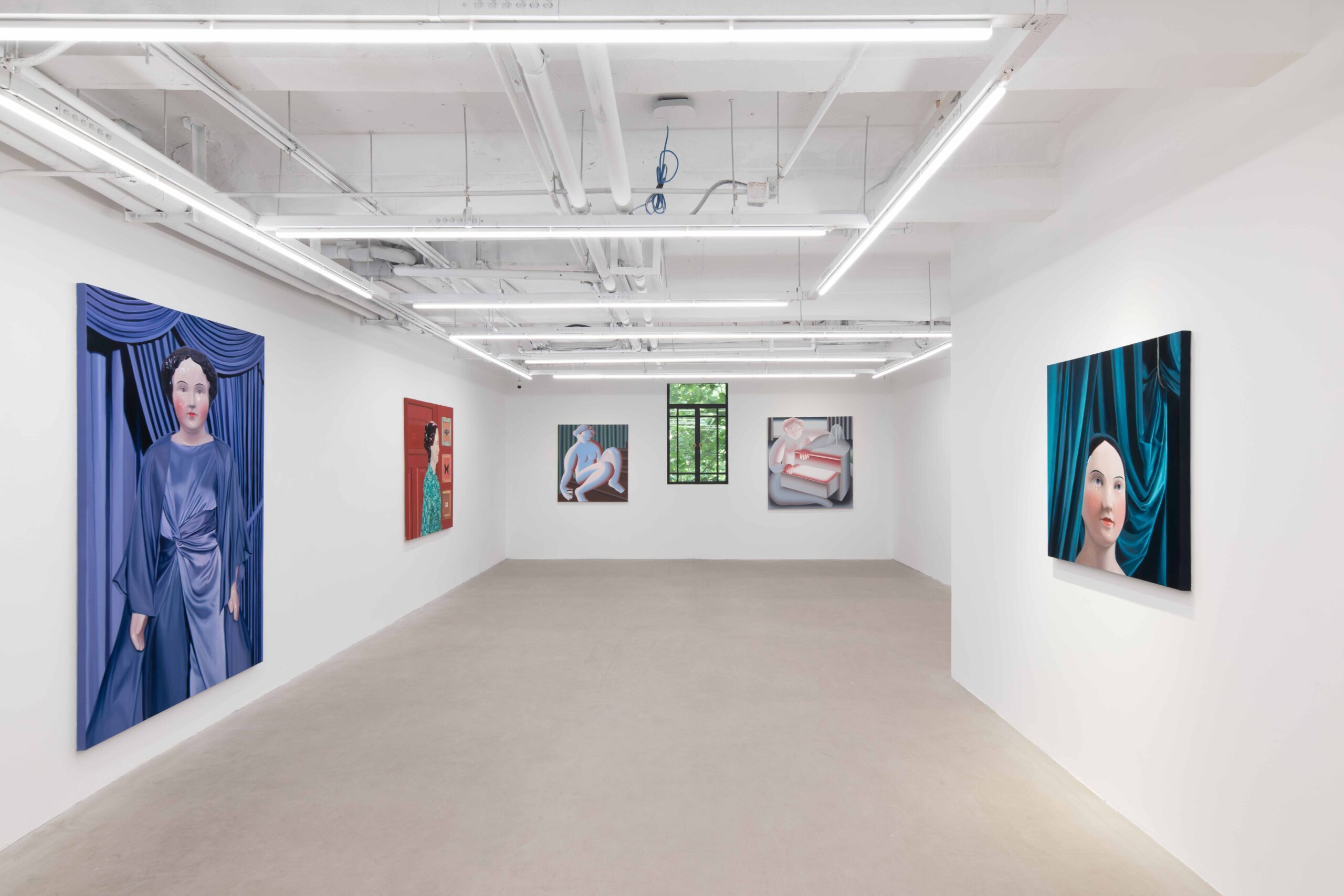
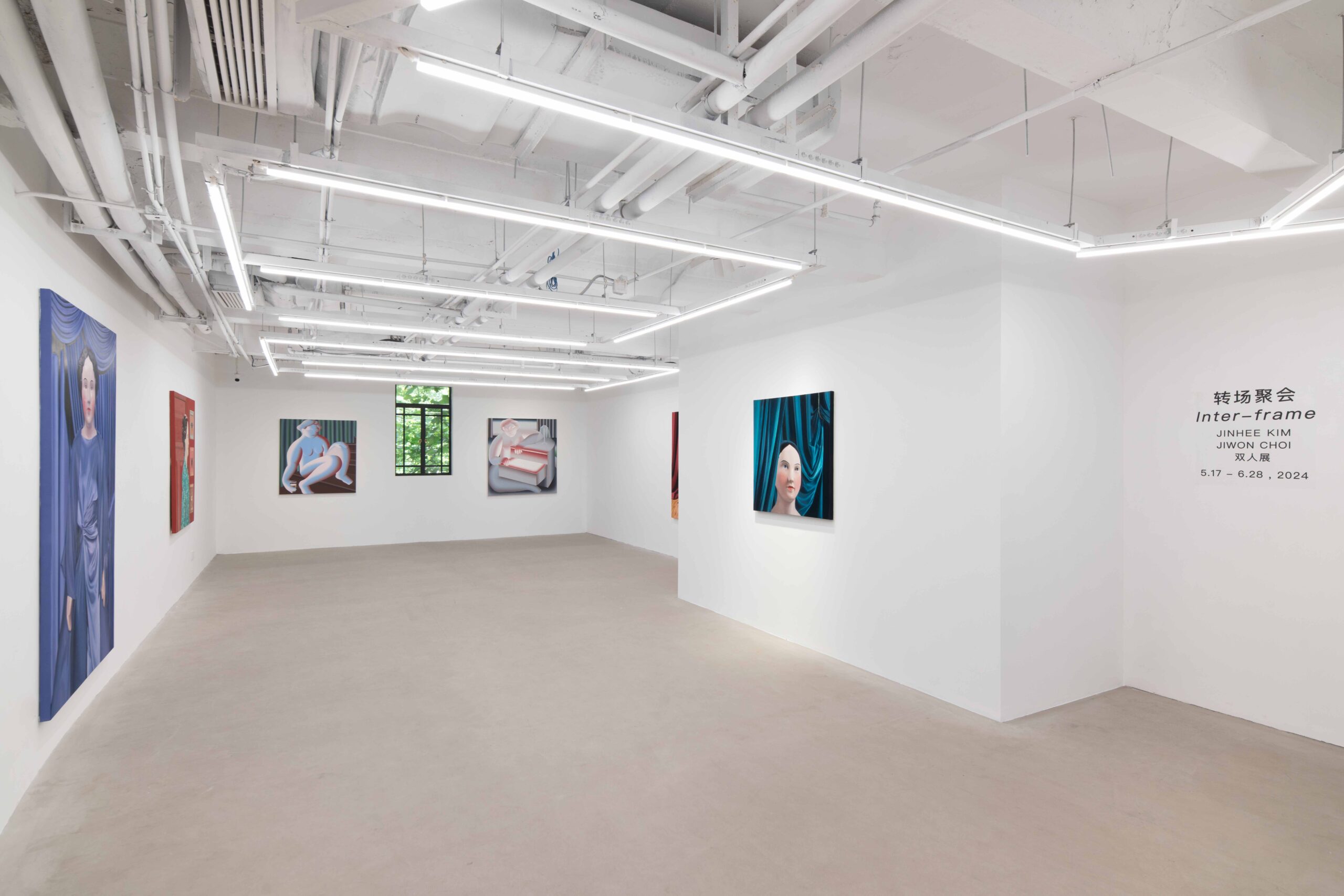
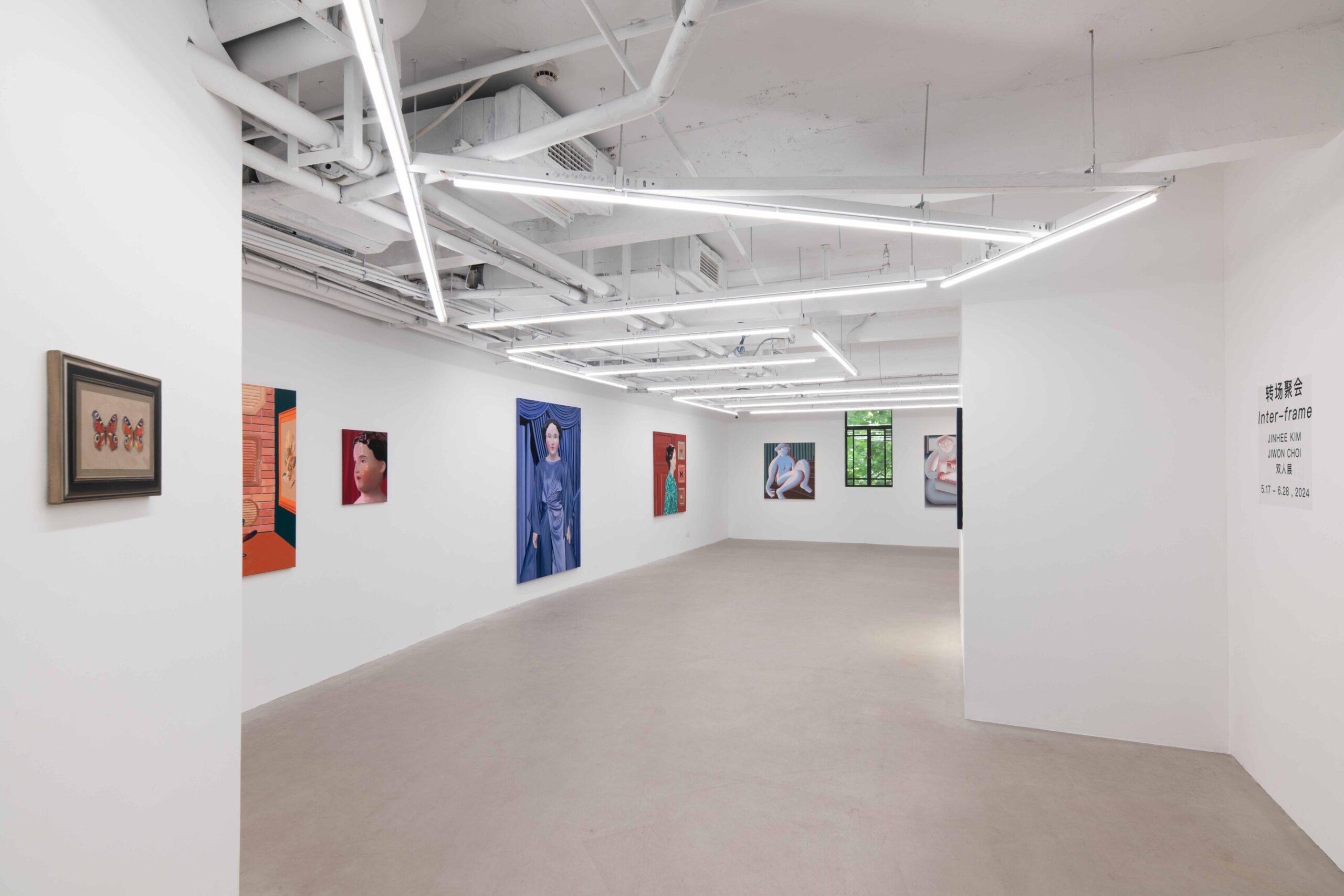
무대 위 암전은 일종의 사이-시간이며, 관객에게 다른 두 시공 사이를 연결해 주는 공백이다. 한편 무대 뒤를 채우는 시간은 전환을 위한 잠재태이며 무수한 움직임과 에너지가 가득한 가능성의 영역으로 볼 수 있다. 실제로 공연이 진행되는 동안 두터운 커튼 뒤 배우와 스태프는 곧 조명 아래 올라설 흐름을 끌어내기 위해 은밀하게 움직인다. 전시 은 이러한 짧은 암전의 순간에 극장의 안과 밖, 무대의 앞과 뒤에서 끊임없이 이어지는 전치와 반전의 속성을 자신의 언어로 변환한 두 작가의 작품을 소개한다. 김진희와 최지원은 닫히고 열리는 양가적 장소와 사물의 특성이 내포하는 함축적 의미를 회화에 적극적으로 등장시킨다. 이 소재들은 우리가 놓치게 되는 공연의 비-지문(nontext), 나아가 일상에서 쉬이 간과하는 비언어적 요소에 주목하게끔 한다.
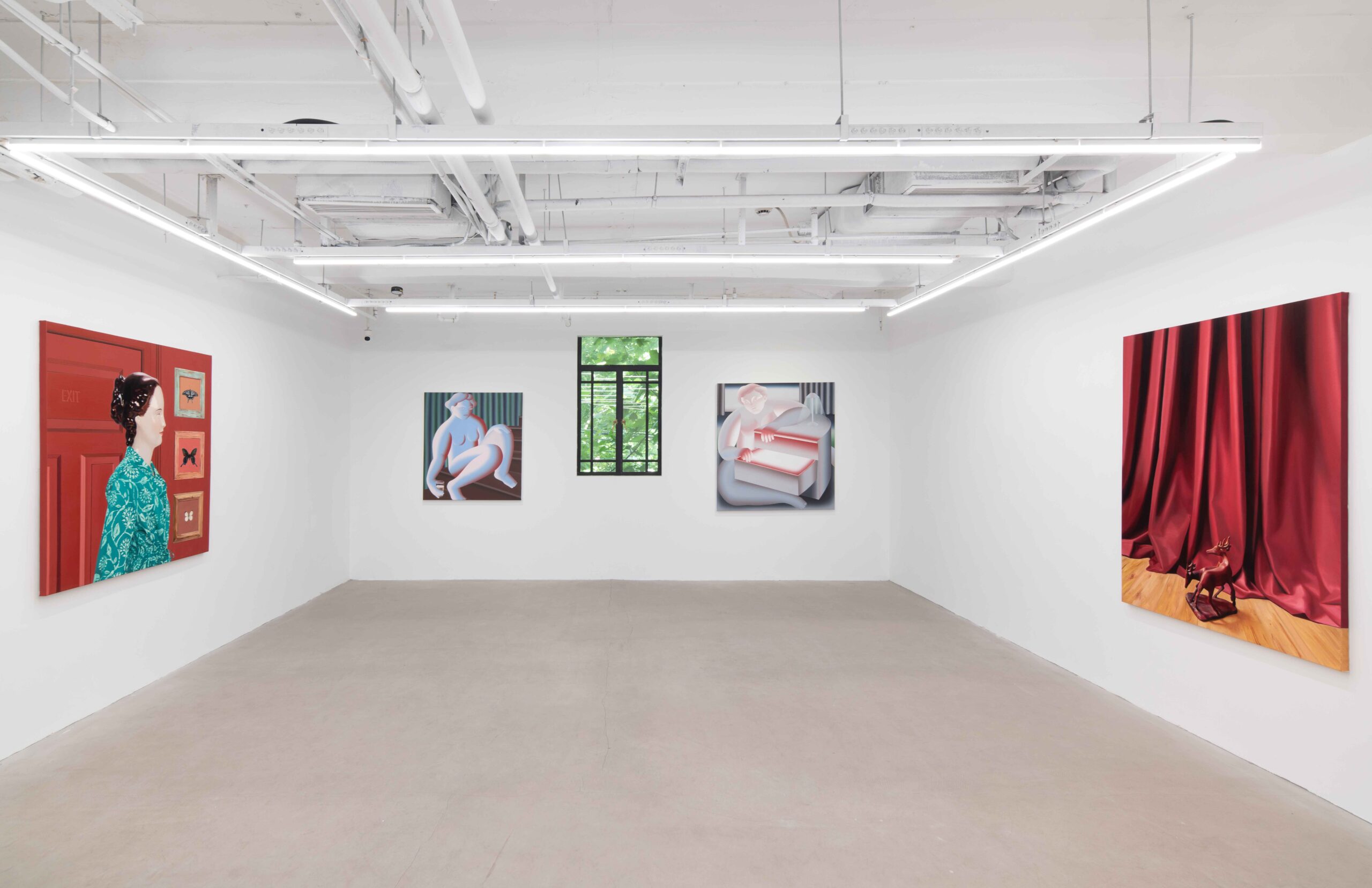
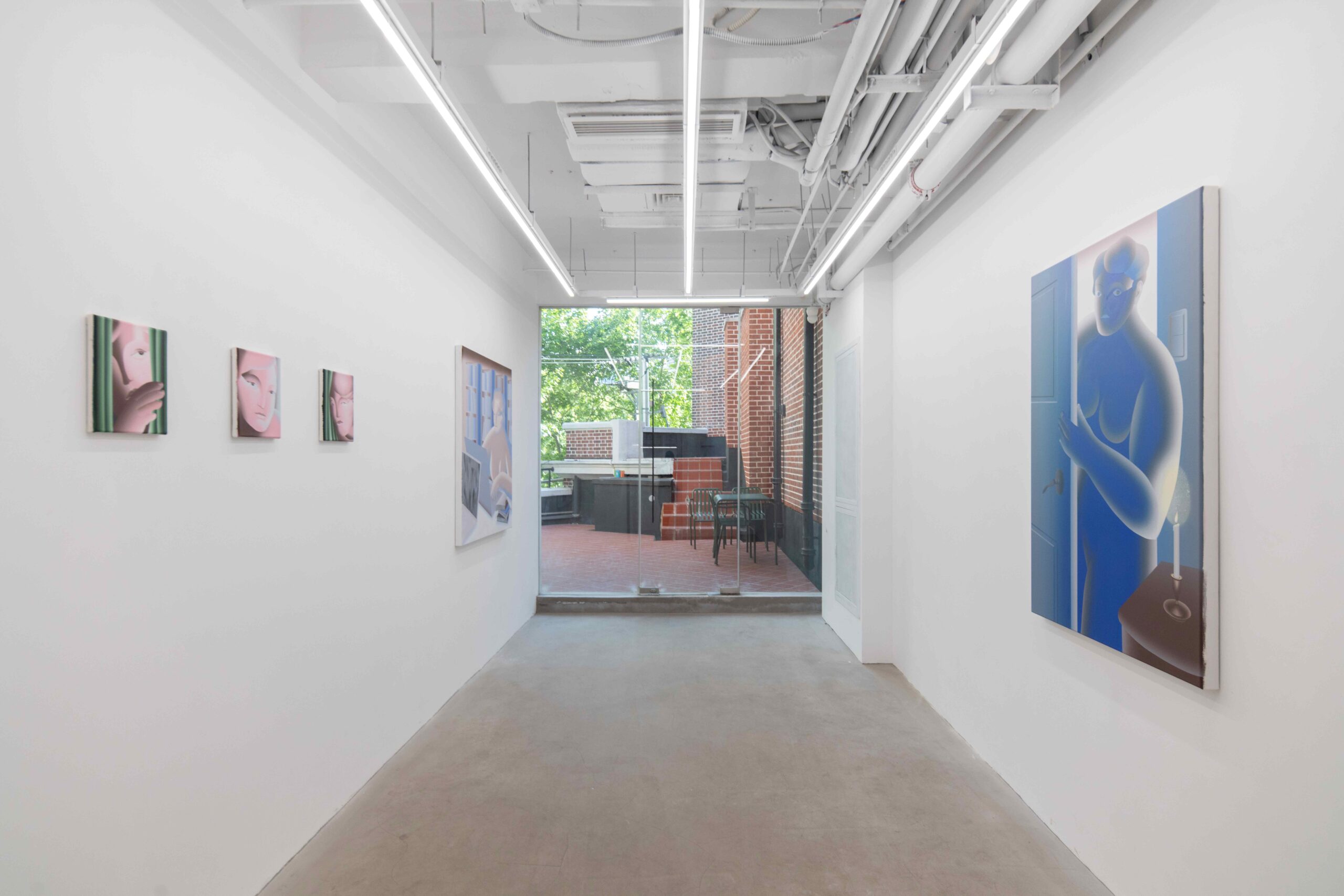
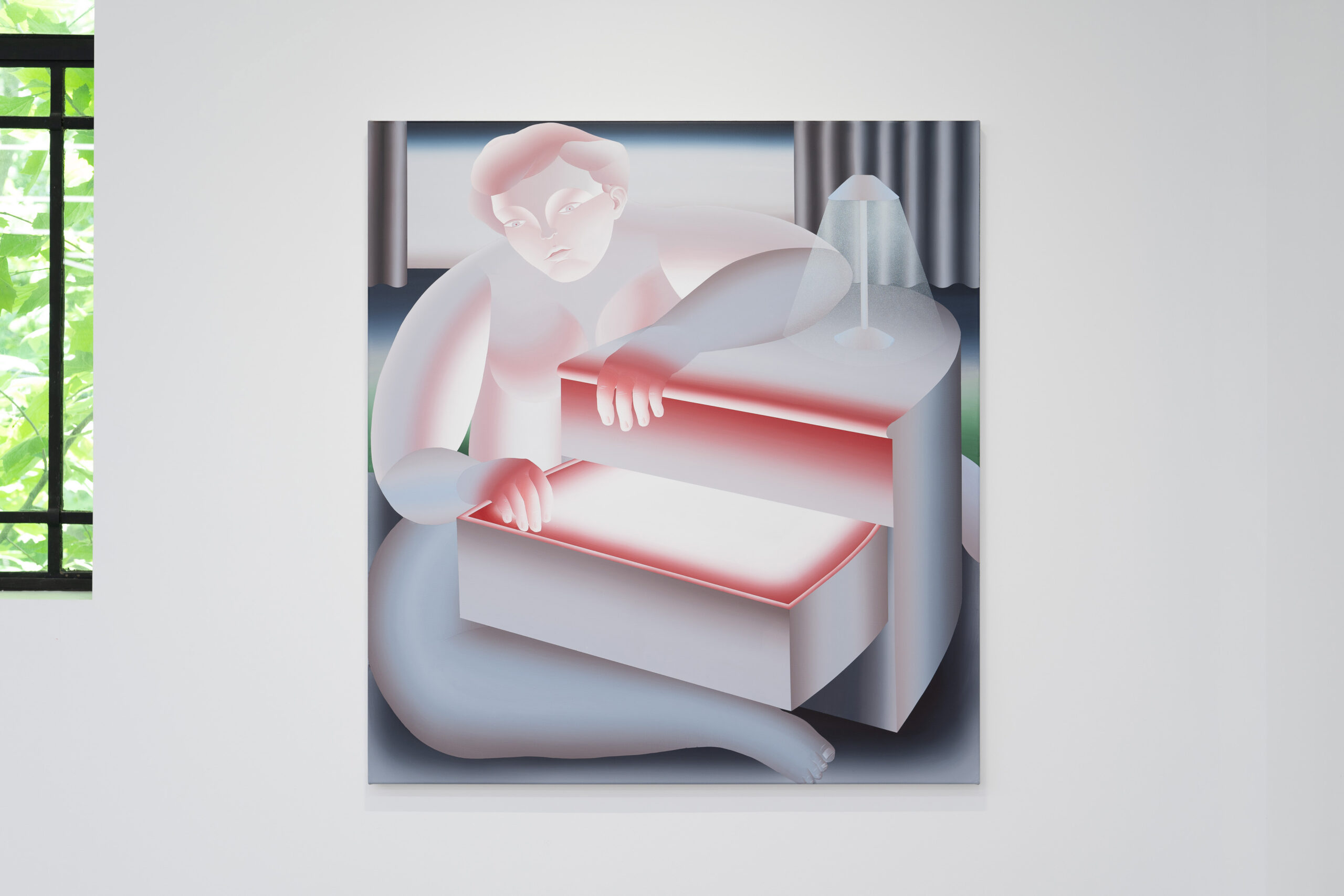
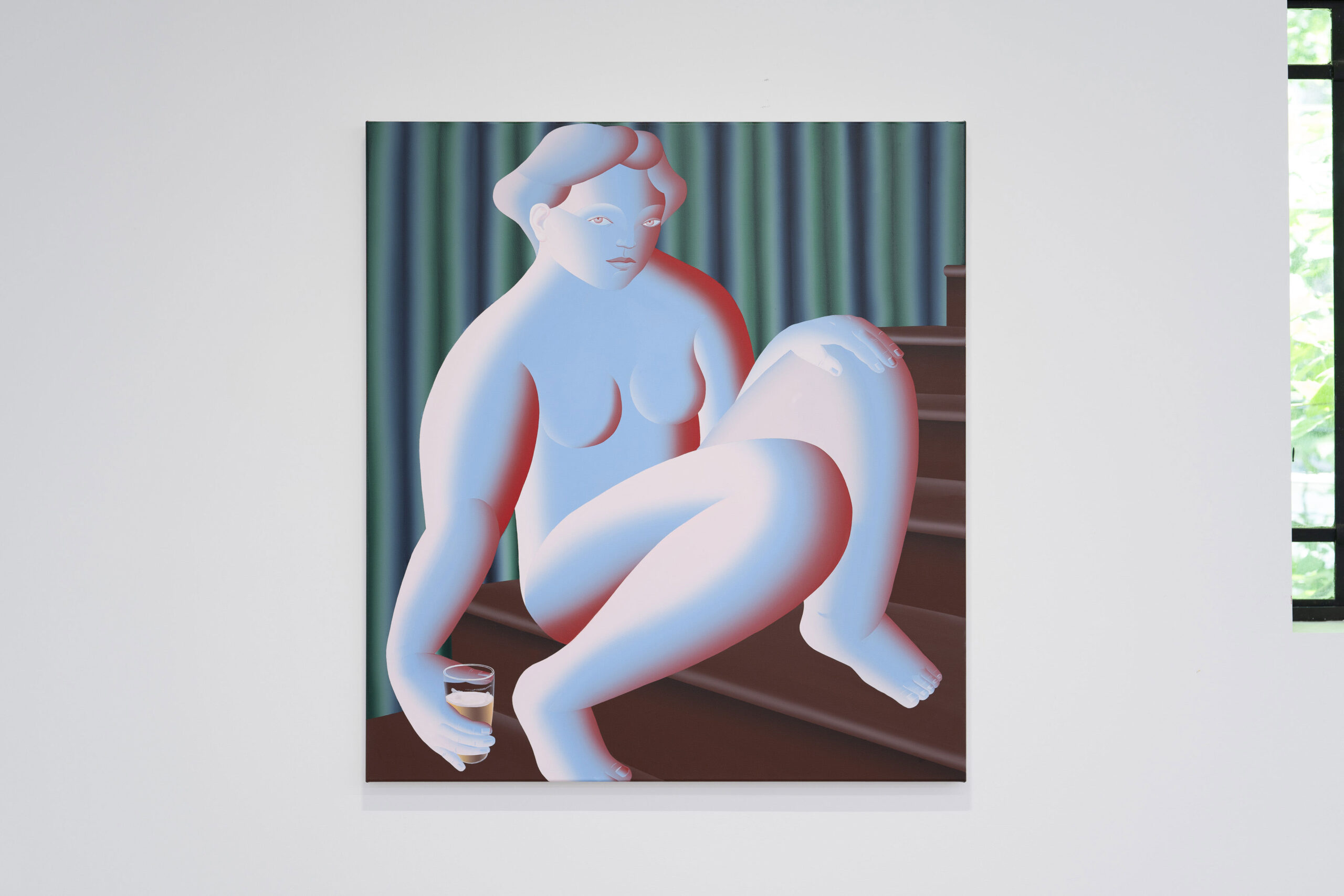
김진희의 작품에서 그려지는 평범한 인물들은 작가가 설정한 무대 위에서 관객이 해석해야 할 감정의 단서를 지닌 주인공이 된다. 그들은 문을 열고 어두운 방 안으로 들어오거나 빛이 가득한 서랍을 열어보고, 책장을 넘기거나 커튼을 젖혀 자신의 모습을 드러내기도 한다. 지극히 사적인 순간들은 그가 설정한 정교한 구도와 섬세한 빛의 명암을 통해 문득 연출된 상황의 한 부분처럼 연극적인 장면으로 전복된다. 각자의 시간과 그 속에 담겨있을 다양한 감정의 조각들은 김진희의 회화 안에서 천천히 드러나 밝음과 어둠 사이의 공간을 오가는 상상의 지대로 들어선다.
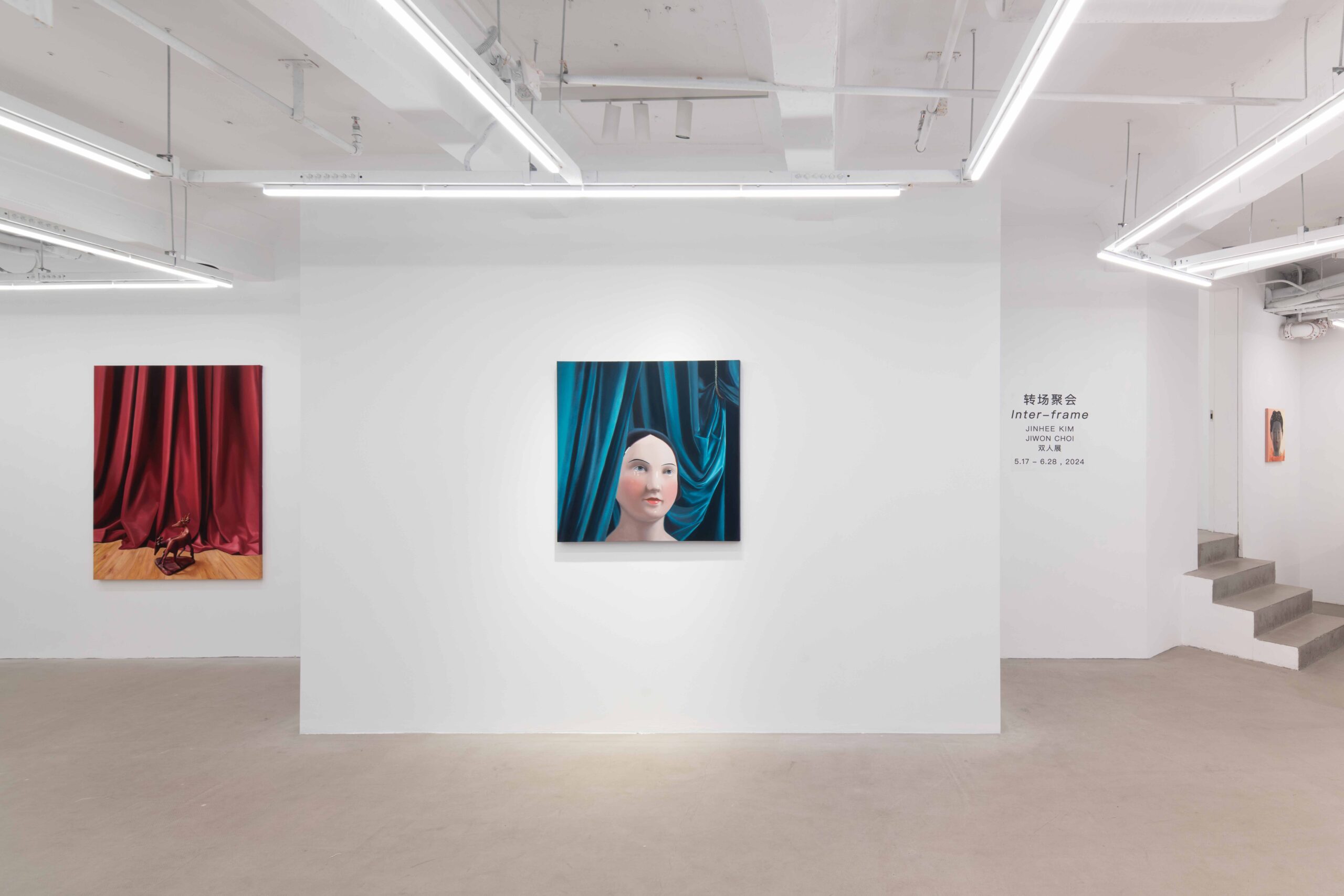
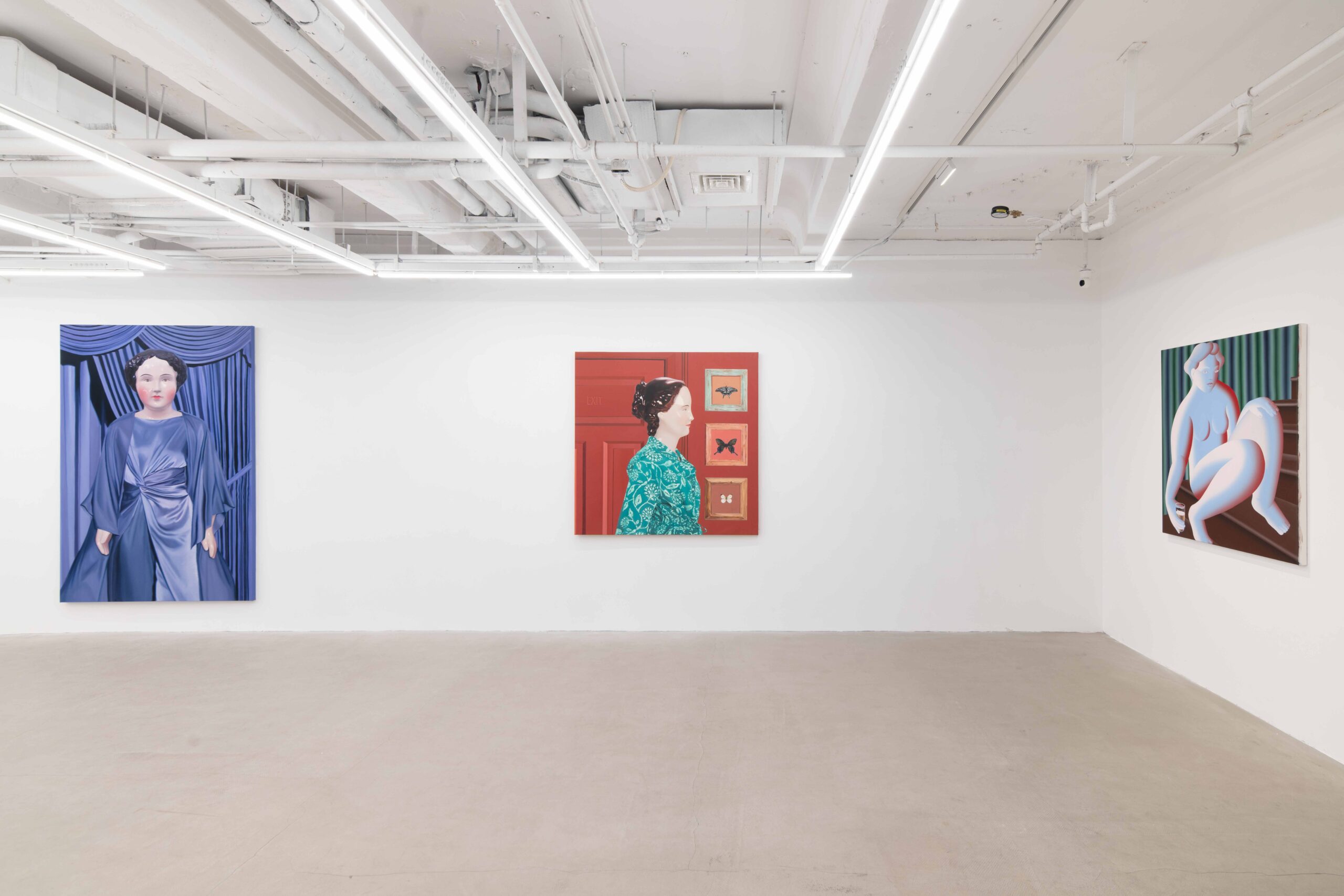
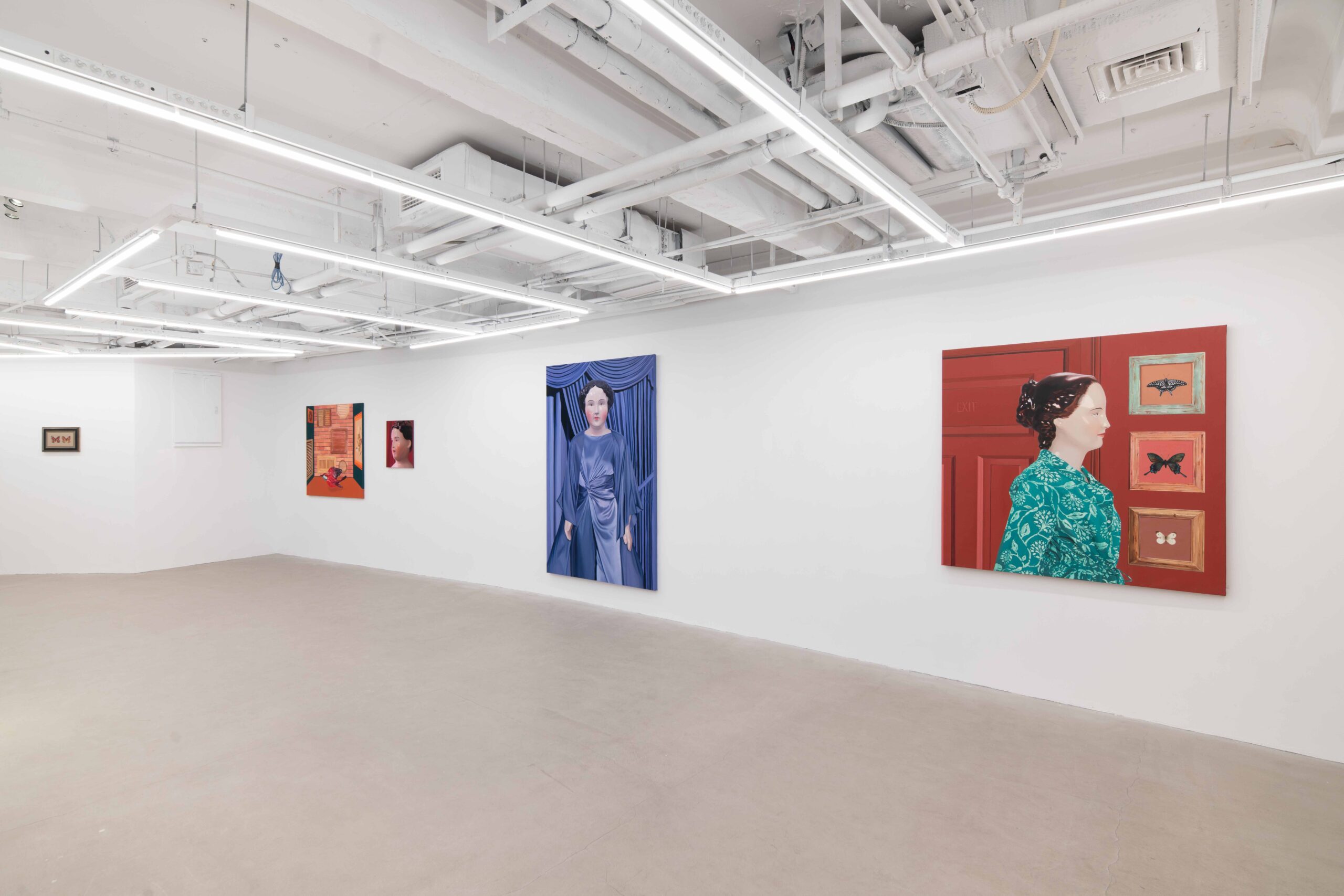
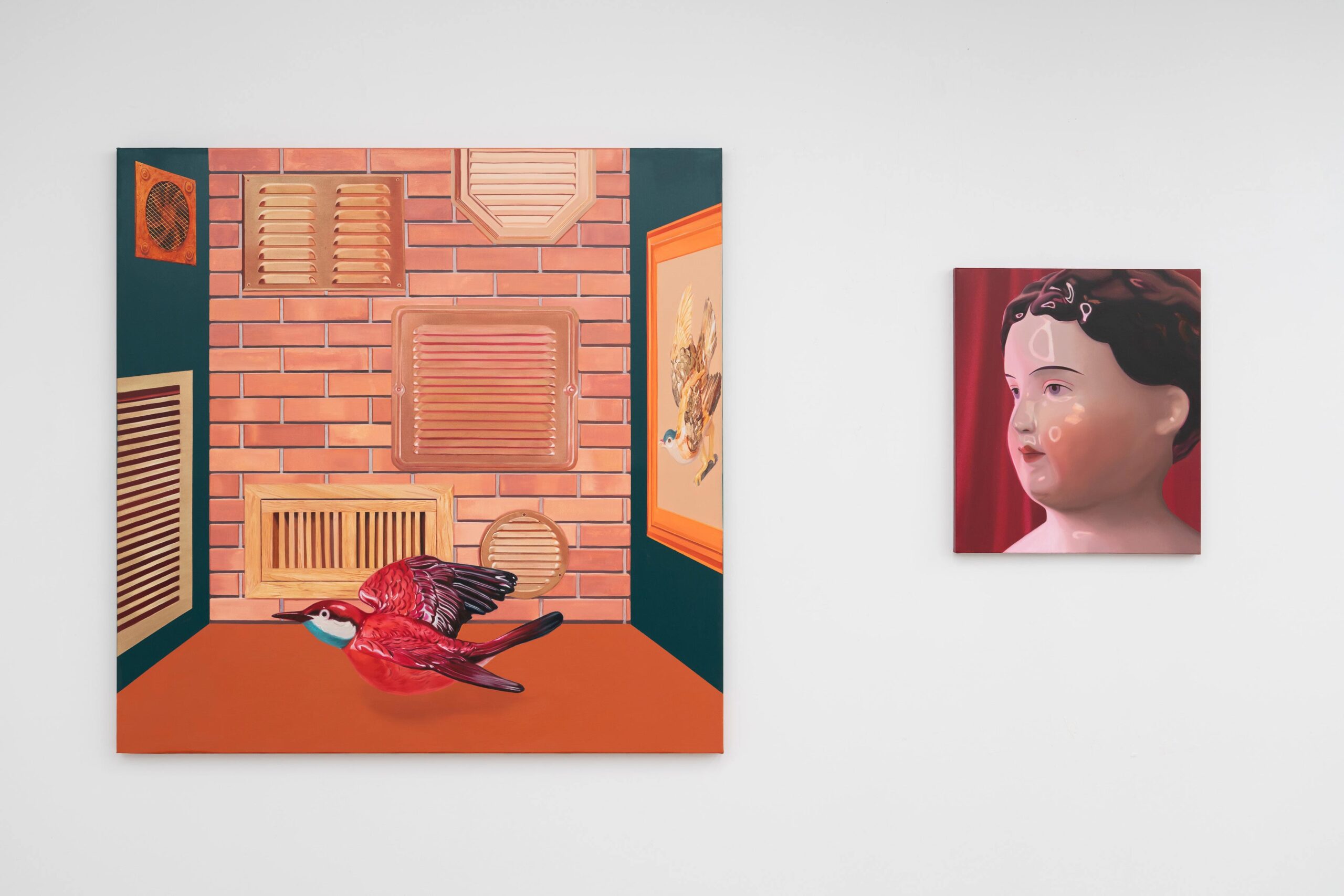
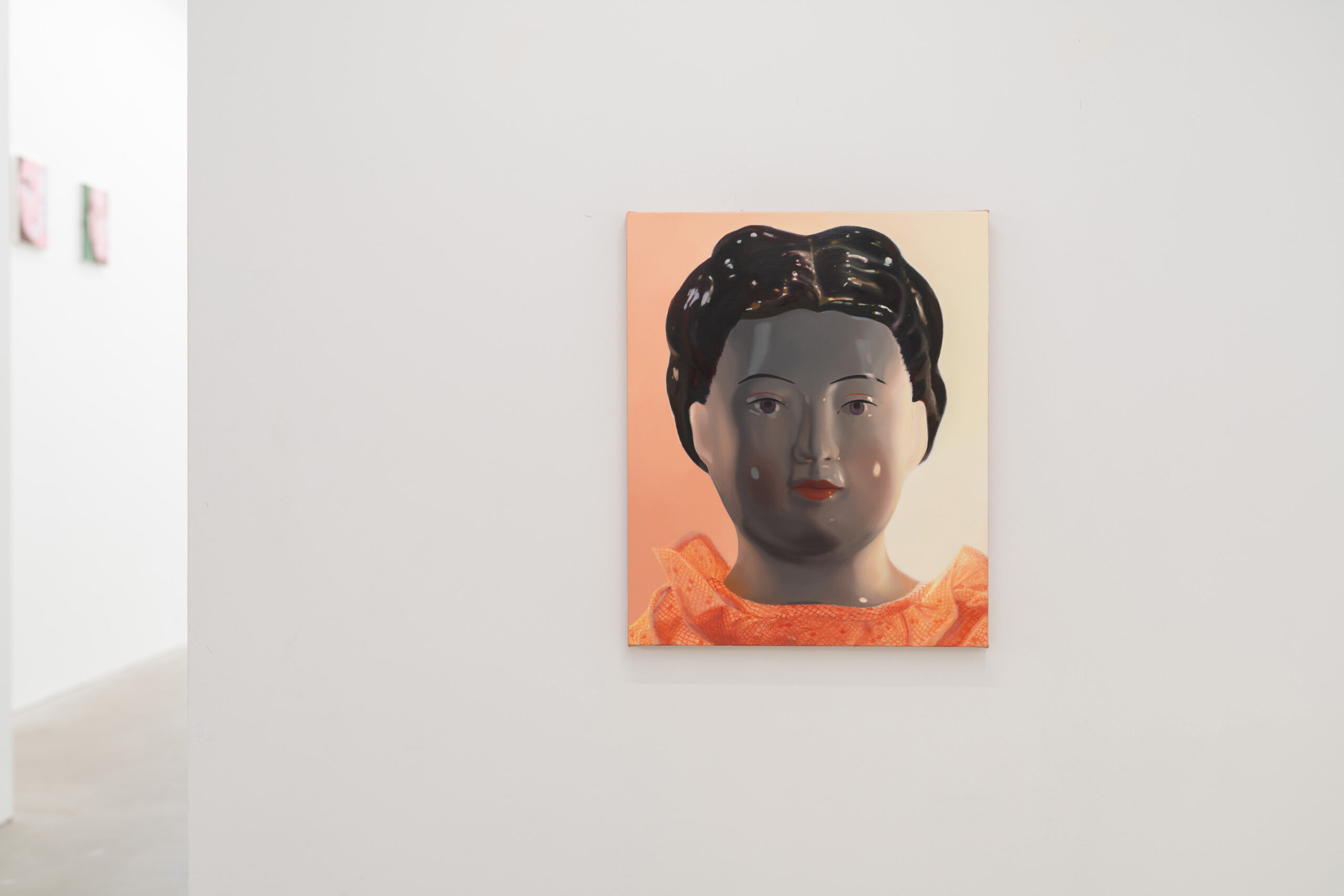
한편 최지원은 생명과 죽음의 간극, 현재와 미래가 교차하는 진공의 공간을 탐구하며 그 틈새에 위치한 세계를 표현해 왔다. 그의 작품에서 반복적으로 등장하는 세라믹 인형, 공예품, 박제된 곤충은 자연으로부터 왔거나 그가 수집해 온 오브제로부터 영감을 받은 사물이다. 그들은 내밀한 화면 구조 속에 홀로 혹은 군집을 이루며 등장하는데, 이는 주로 삶을 다했음에도 여전히 살아있어 작가의 현재에 영향을 끼치는 대상들이다. 그들은 부서질 듯 연약하면서도 반짝이는 매끈한 질감과 형태를 갖고 무대 위에 오르며, 커튼의 앞과 뒤에서 비밀스런 모습을 내비친다.
두 작가의 작품은 크나큰 사건의 기록이기보다 무엇이 일어나기 전 혹은 그 후를 암시하는 막간극이자 부분적인 서술이다. 따라서 우리는 마치 암전 속 좌석에 앉은 관객의 마음을 가져야 한다. 이미 지나간 공연의 잔상을 기억하듯 그들이 제시하는 이미지를 곱씹어보고, 동시에 커튼의 장막 뒤를 채우는 존재들을 떠올리듯 각 이미지가 가닿을 수 있는 중층의 서사를 상상할 때 그들의 회화를 보다 입체적으로 이해할 수 있을 것이다.
The dark change is a kind of in-between time, a space that bridges the audiences between two different temporalities. The time that fills the backstage can be seen as a potential state for transition, a realm of possibility filled with myriad movements and energies. Indeed, during the performance, behind the thick curtain, actors and staff move stealthily to create the flow that will soon take place under the lights. Inter-frame introduces the works of the two artists who have translated the properties of transposition and inversion, which are constantly occurring inside and outside the theater, in front of and behind the stage during the dark change, into their own languages. Jinhee Kim and Jiwon Choi actively incorporate the implications of the ambivalent nature of closed and open places and objects into their paintings. They draw attention to the non-verbal aspects of performances that we miss and to the non-verbal elements that we often overlook in our daily lives.
The ordinary people depicted in Kim’s works become protagonists on a stage set by the artist with emotional clues for the viewer to interpret. They open doors and step into dark rooms, open light-filled drawers, flip over pages of books, or pull back curtains to reveal themselves. These intensely private moments are suddenly subverted into theatrical scenes, as if they were part of a directed situation, through the elaborate compositions and delicate light contrasts the artist sets up. The fragments of various emotions contained in their lives are slowly revealed in Kim’s paintings, entering a zone of imagination that oscillates between light and darkness.
On the other hand, Choi has been exploring the gap between life and death, the vacuum where the present and the future intersect, and expressing the world located in that gap. The ceramic dolls, crafts, and stuffed insects that recur in her works are either from nature or inspired by objects she has collected. They appear singly or in clusters within the intimate screen structure, mainly objects that have ended their lives but are still alive and affecting the artist’s present. They take the stage, with fragile yet shiny and smooth textures and shapes, revealing their secret appearance from before and behind the curtain.
Rather than being a record of a great event, their works are their interludes and partial narratives that hint at something before or after it happens, so we have to take on the mindset of an audience seated in a darkened theater. We can understand their paintings in a more three-dimensional way by reflecting on the images they present, as if we were remembering the afterimages of a performance that has already passed, and at the same time imagining the interlayer of narratives that each image can touch, as if recalling the beings behind the curtain.