필립 로에쉬, 홍성준
Philip Loersch, Seongjoon Hong
12 Jan-2 Mar 2024
ThisWeekendRoom
Artists
Philip Loersch →
Seongjoon Hong →
Credit
참여작가ㅣ필립 로에쉬, 홍성준
기획ㅣ디스위켄드룸
협력ㅣ펠드부시위즈너루돌프
글ㅣ박지형
사진ㅣ이정우
ArtistsㅣPhilip Loersch, Seongjoon Hong
Curated by ThisWeekendRoom
Collaborated with FeldbuschWiesnerRudolph
TextㅣJihyung Park
PhotographsㅣJungwoo Lee




Exhibition Text
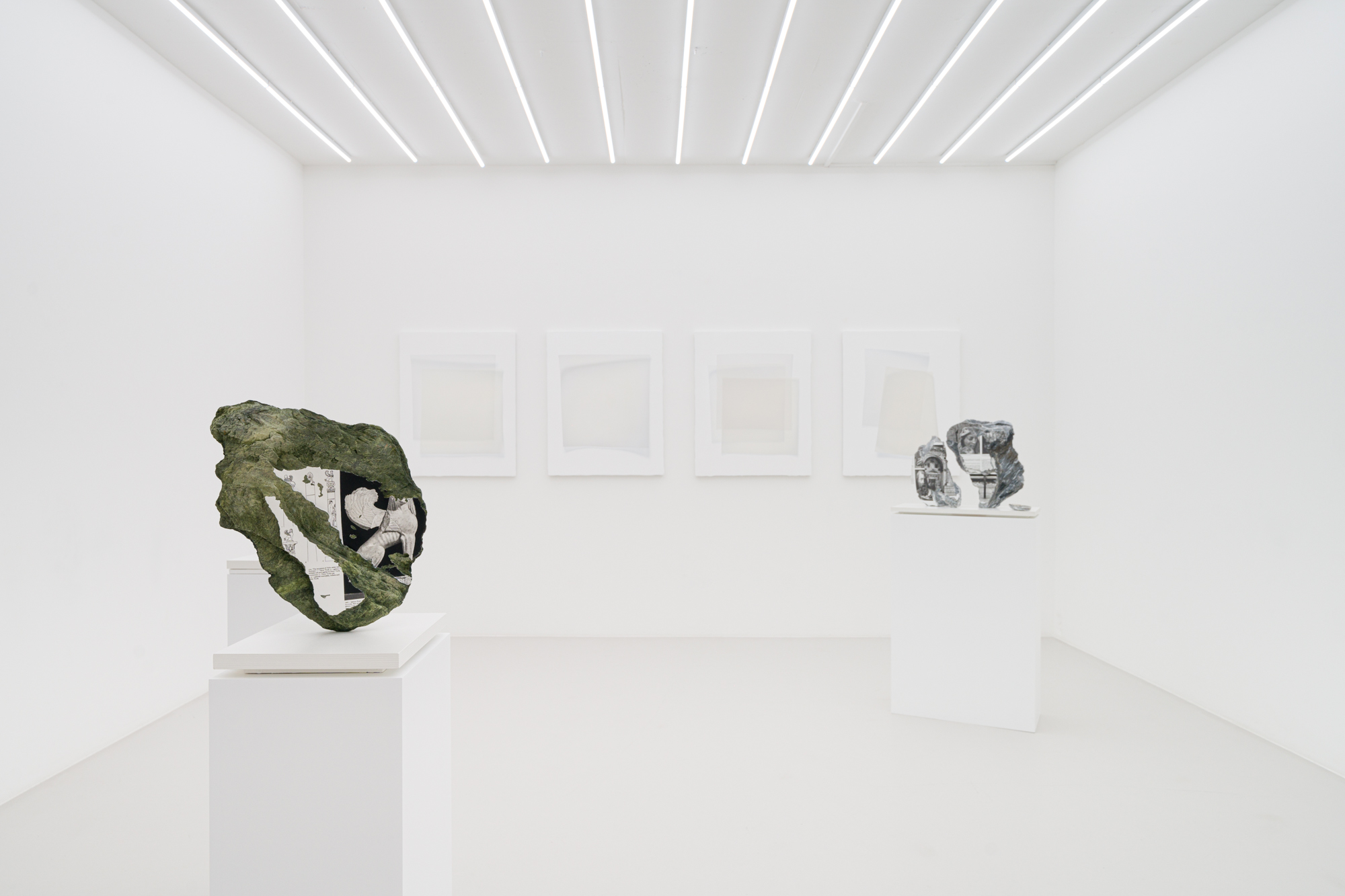
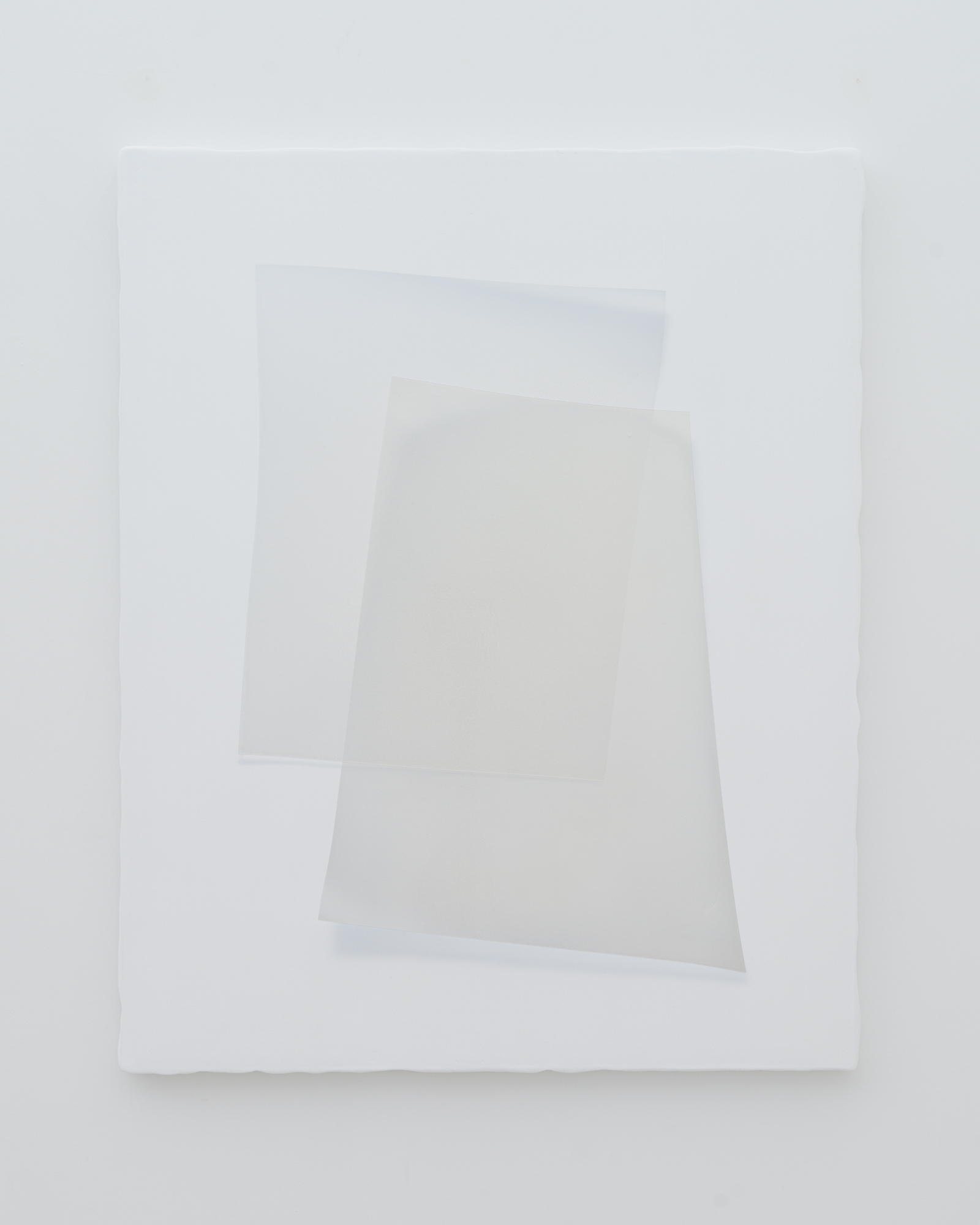
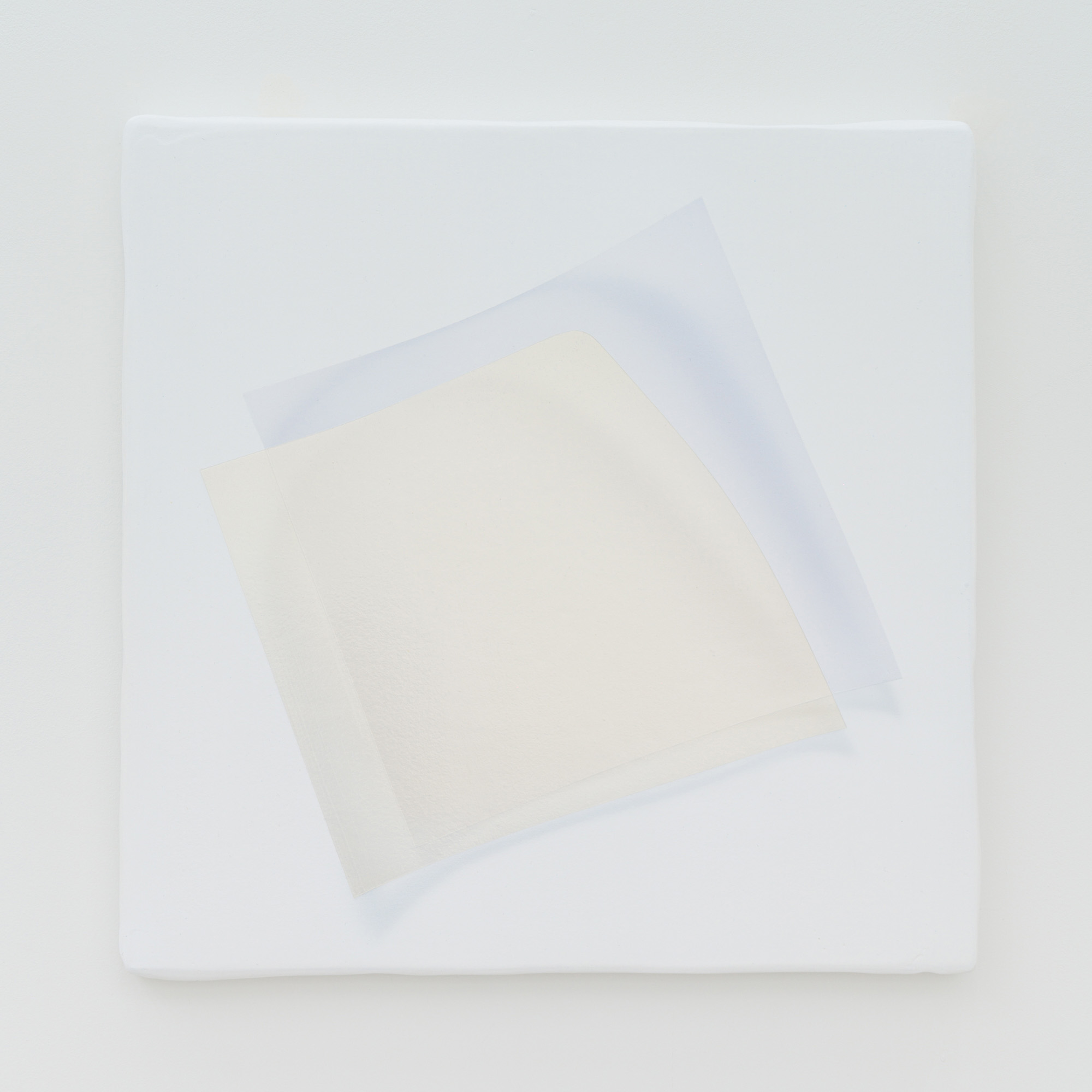
여기 질량이 상이한 지지체 위에 올라선 이미지들이 있다. 환영에도 무게가 있다면 이 둘 사이의 차이를 비교하는 일은 어렵지 않을 것이다. 그러나 애석하게도 회화적 환영은 현실성(reality)을 갖춘 이미지 껍질에 불과하며, 필립 로에쉬와 홍성준이 만들어 놓은 재현의 두께 너머로 진입하기 위한 다른 통로가 필요하다. 전시 ≪플립 오버≫는 각각 독일과 한국에서 활동하는 두 작가의 그리기 방식에 숨은 양가성의 힘을 살핀다. 두 작업 세계에 있어 노동집약적인 과정은 의심의 여지 없이 핵심적인 요소이다. 이 둘은 집요한 회화의 시간을 즐기며, 그리는 행위에 대한 열망과 호기심을 가감 없이 작품에서 드러낸다. 그런데 여기서 발현되는 이미지는 각기 다른 방식으로 역설과 전치의 성격을 품게 된다. 롤랑 바르트의 표현을 빌자면, 그들의 재현은 물질을 진열시키기보다 이미지 속으로 흩어지게 하는 비밀을 품으면서도 동시에 원재료가 물질 그 자체로 발화할 여지를 남긴다.1 요컨대 이들은 형상과 물성 사이에서 줄다리기하며, 앞선 세대가 만들어 놓은 문화와 논리의 굳건함을 해제하고 그 사이에서 갱신된 시각 어휘를 발굴해 내는 데 관심을 둔다.
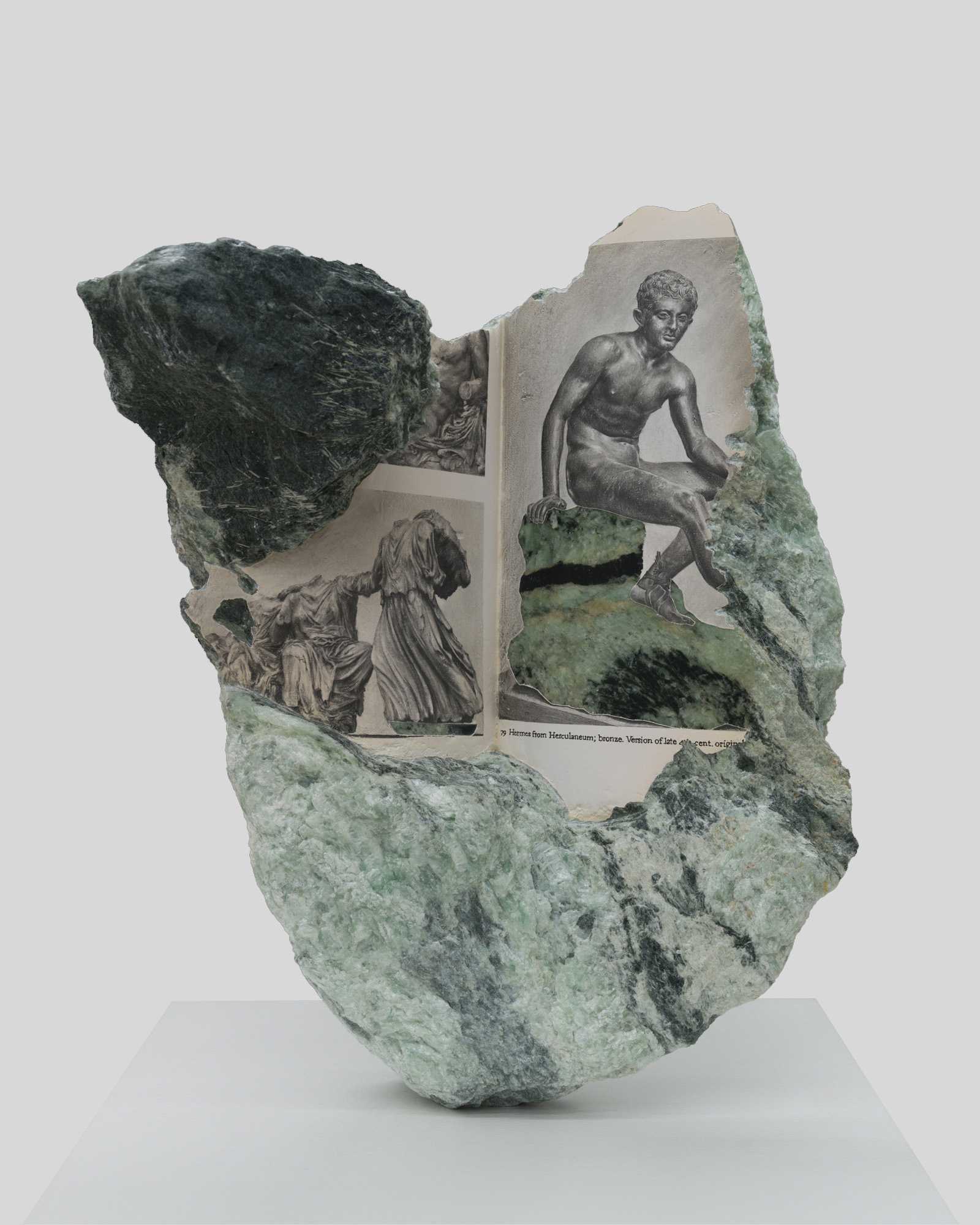
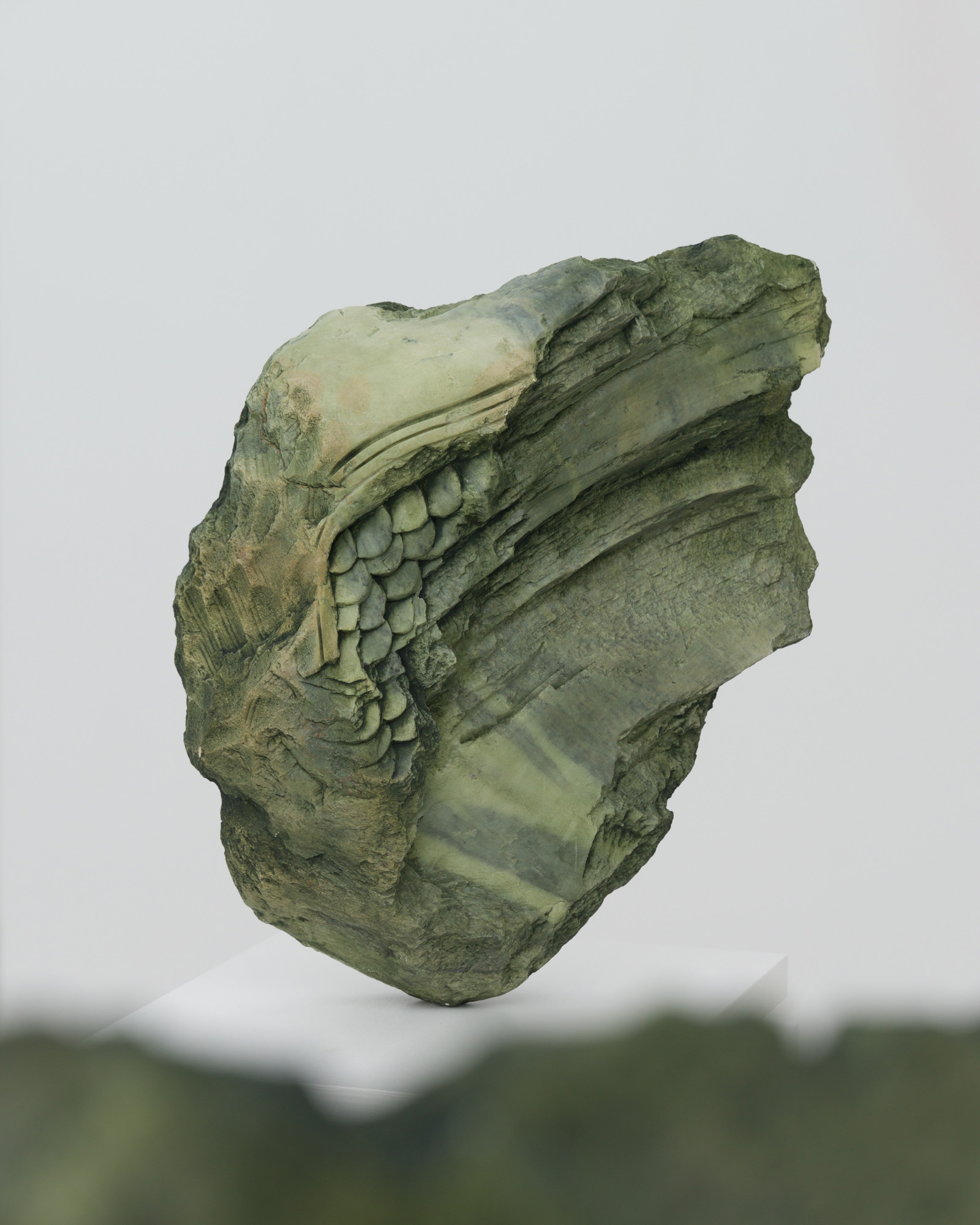
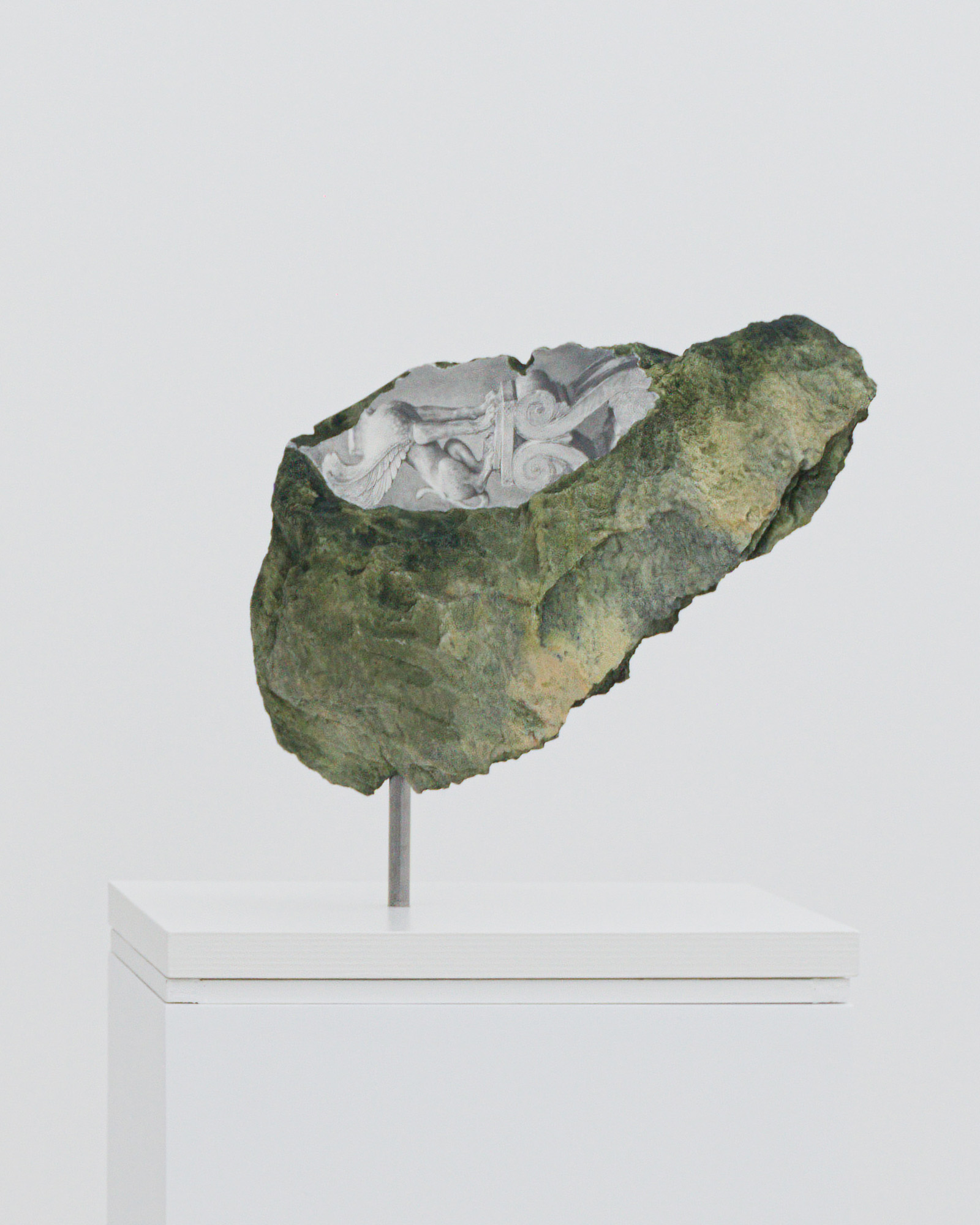
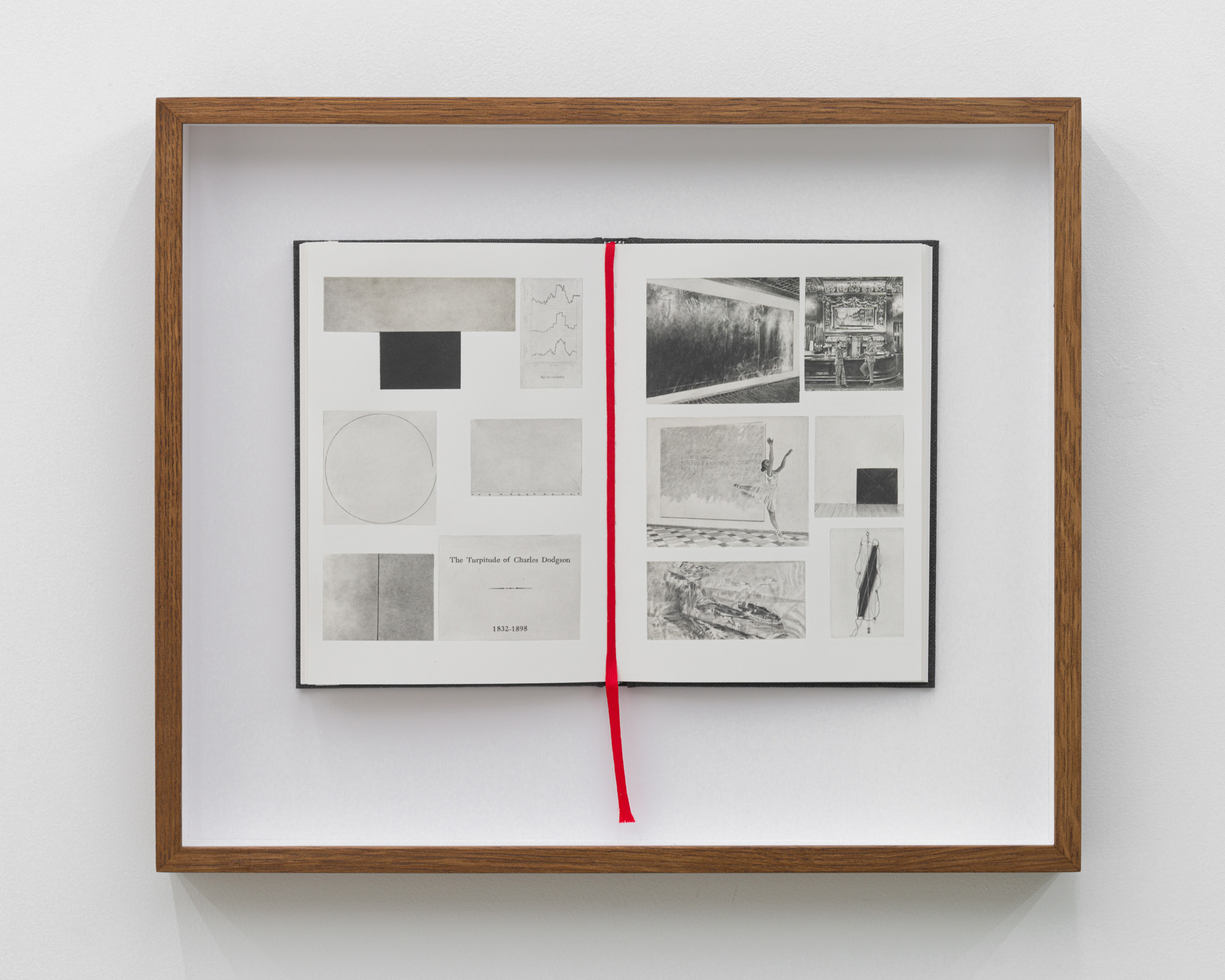
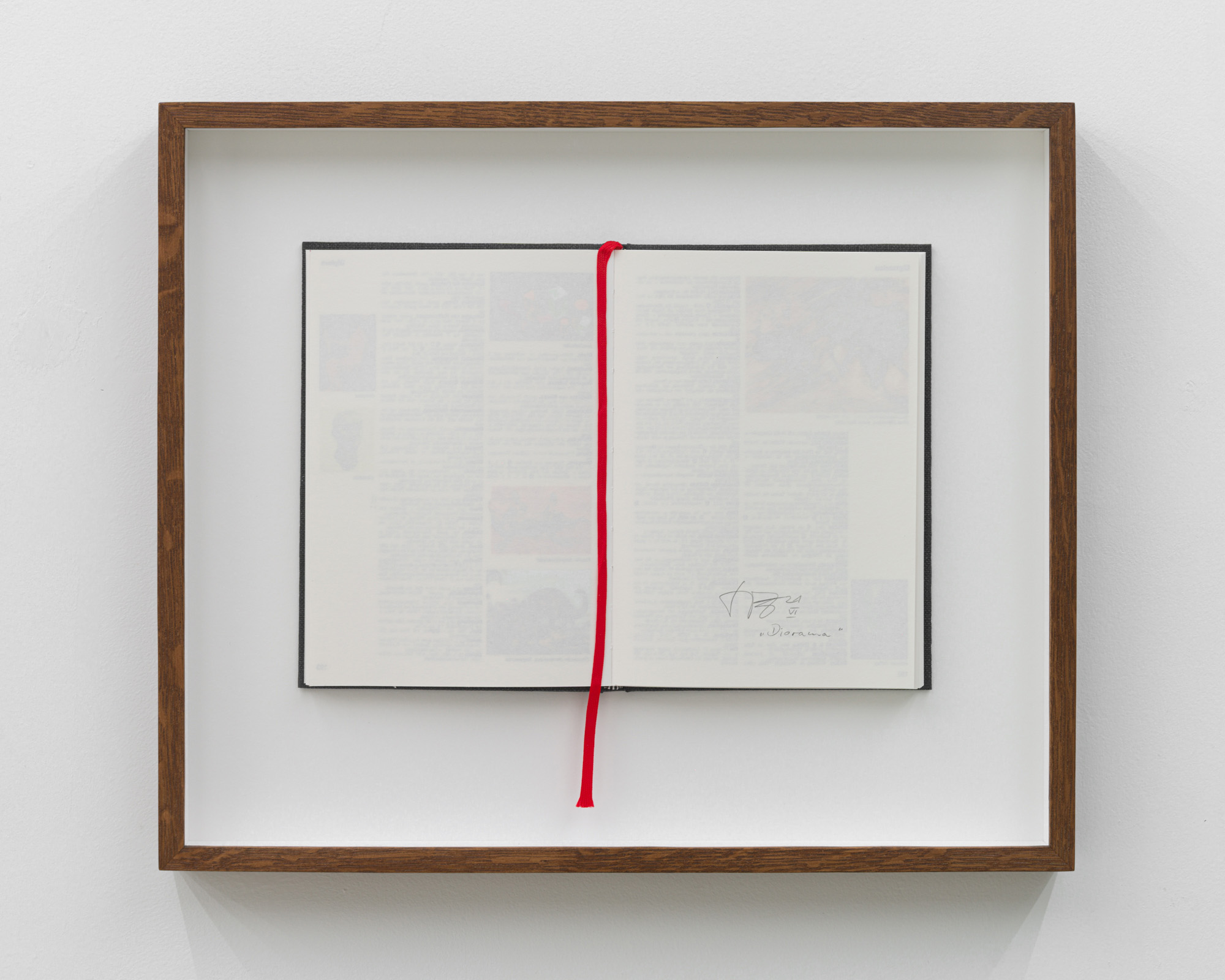
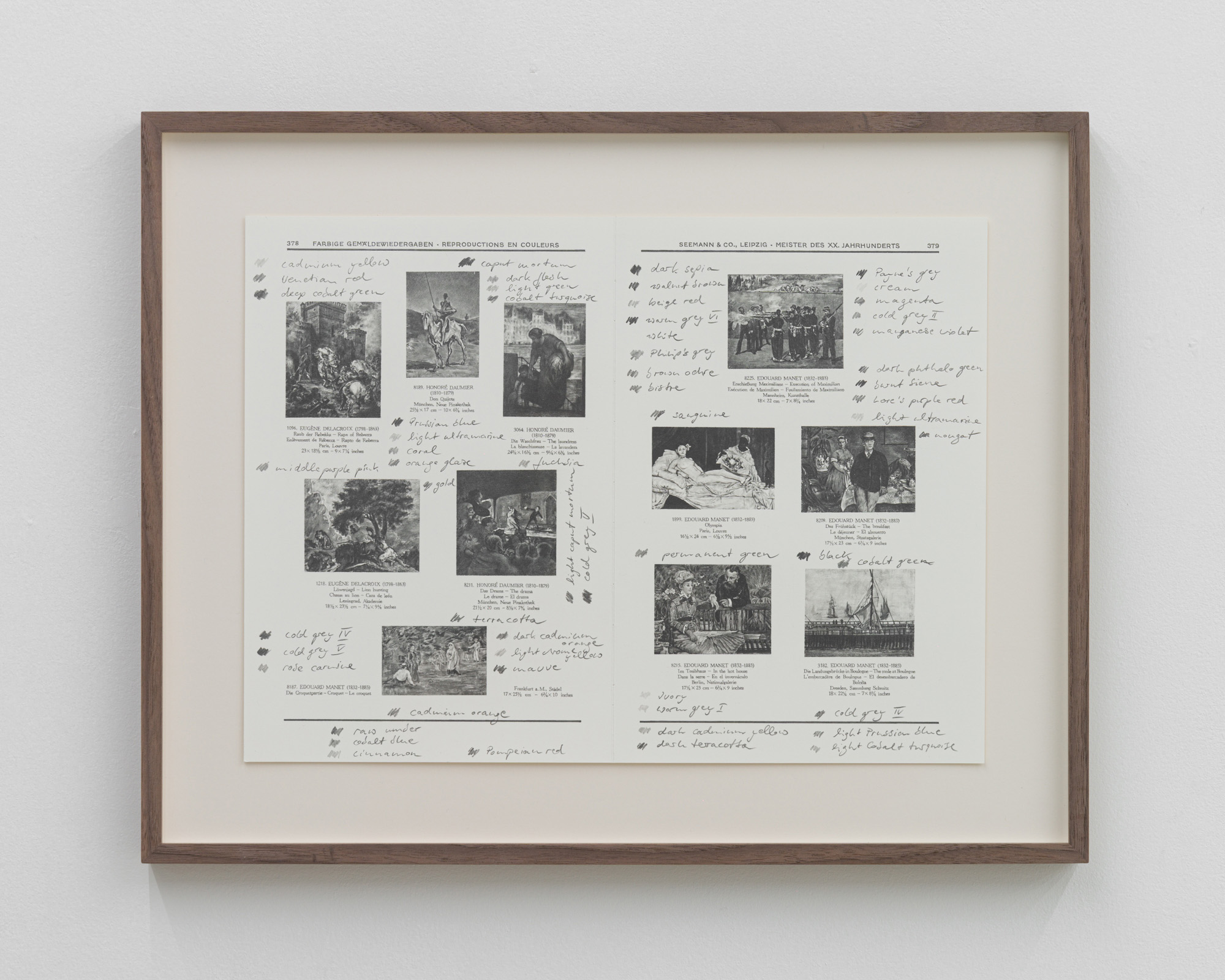
먼저 필립은 수학 공식이나 과학적 명제, 문화적 기원을 나타내는 기호를 자신의 미적 차원으로 옮겨내는 회화, 조각, 설치 작업을 해왔다. 그는 명징한 원리나 해답을 찾기 위해 만들어진 논리적 구조 사이에 미세한 균열을 만들며, 견고했던 이성의 층위 사이로 생겨나는 자유로운 사고의 기류를 즐긴다. 특히 이번 전시에 선보이는 작품들은 과거 예술의 유산이 정의 내렸던 가치의 기준들을 무력화한다. 그는 주로 돌의 표면 혹은 책의 빈 페이지 위에 그리스 문명, 도나텔로, 미니멀리즘, 색채 등을 다룬 책의 페이지 일부를 끈질기게 그려낸다. 그의 작품은 책이 함의하는 권력과 역사의 무게를 반증하는 동시에 이를 더 이상 쉽사리 그 내용을 들여다볼 수 없는 미지의 대상으로 전환한다. 책장을 넘길 수 없는 이 지극히 사실적인 덩어리 앞에서 고여있던 지식의 흐름은 필연적으로 조정된다. 또한 돌과 종이, 흑연은 다른 상징적 의미로 순환되기 이전의 원재료로서 촉각적 경험을 제공한다. 작가는 단단한 표면과 무거운 질량에 봉인된 문자를 넘어 더 많은 문화적 다양성과 조형적 상상의 여지가 작업의 안으로 흡수될 수 있음을 인지한다.
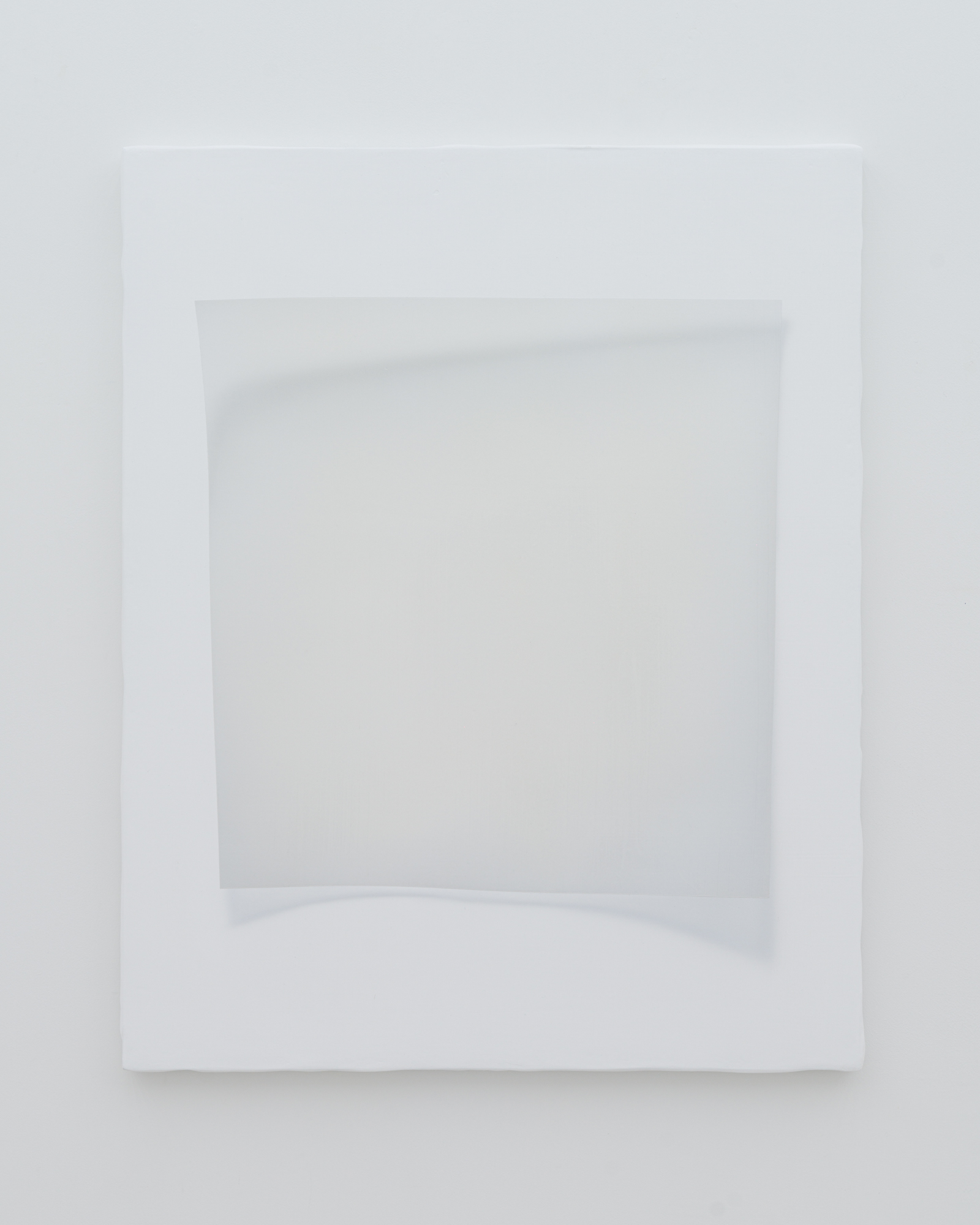
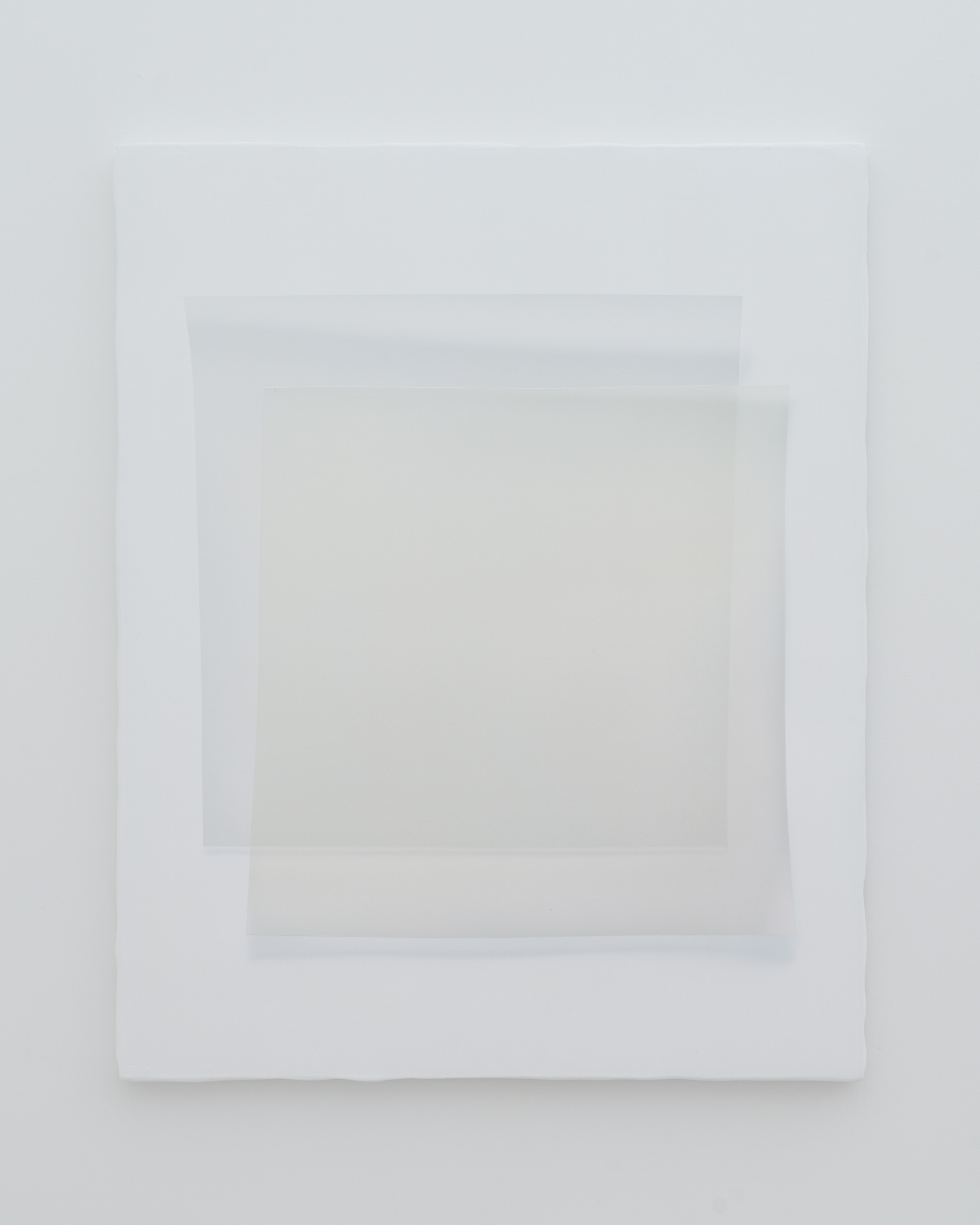
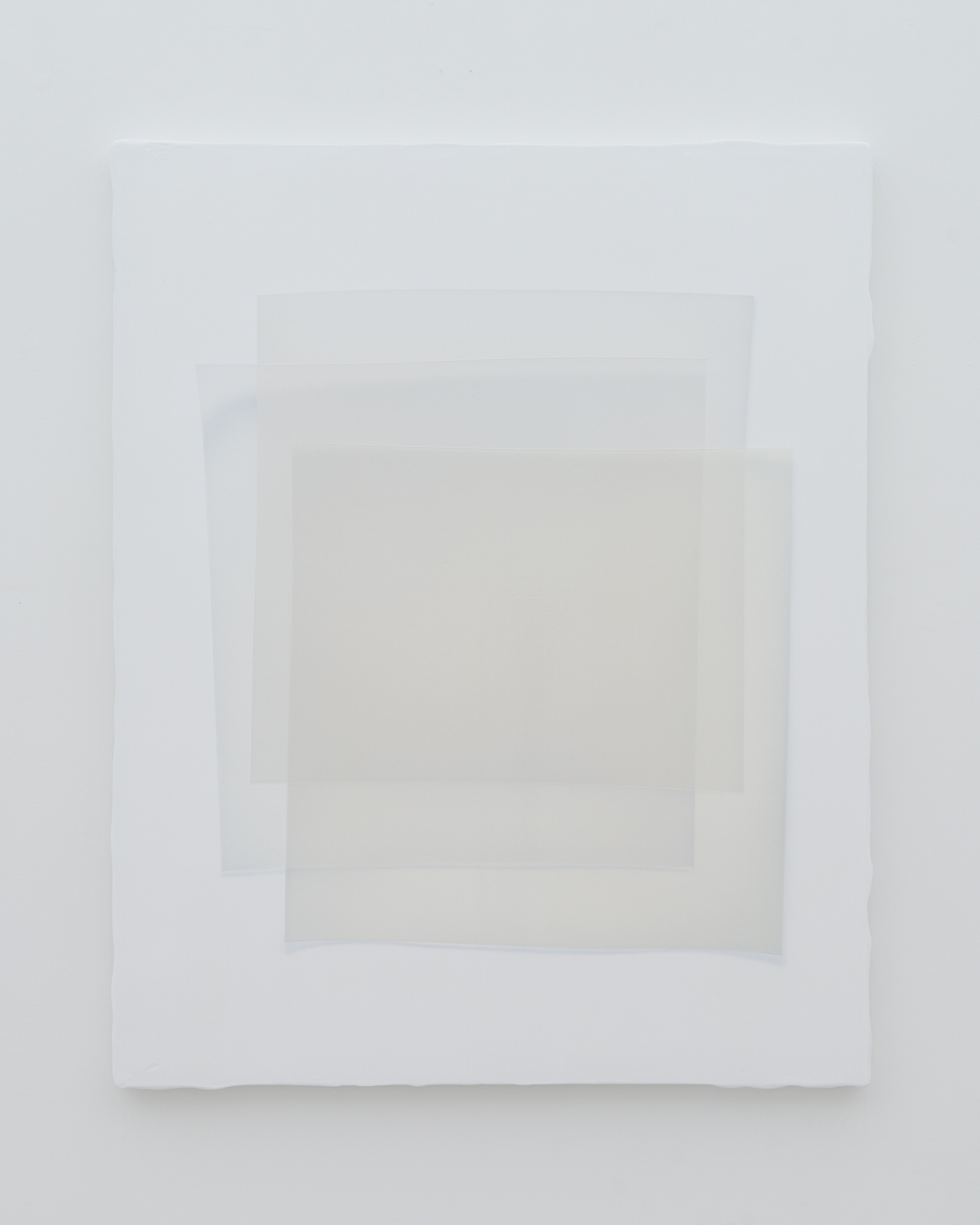
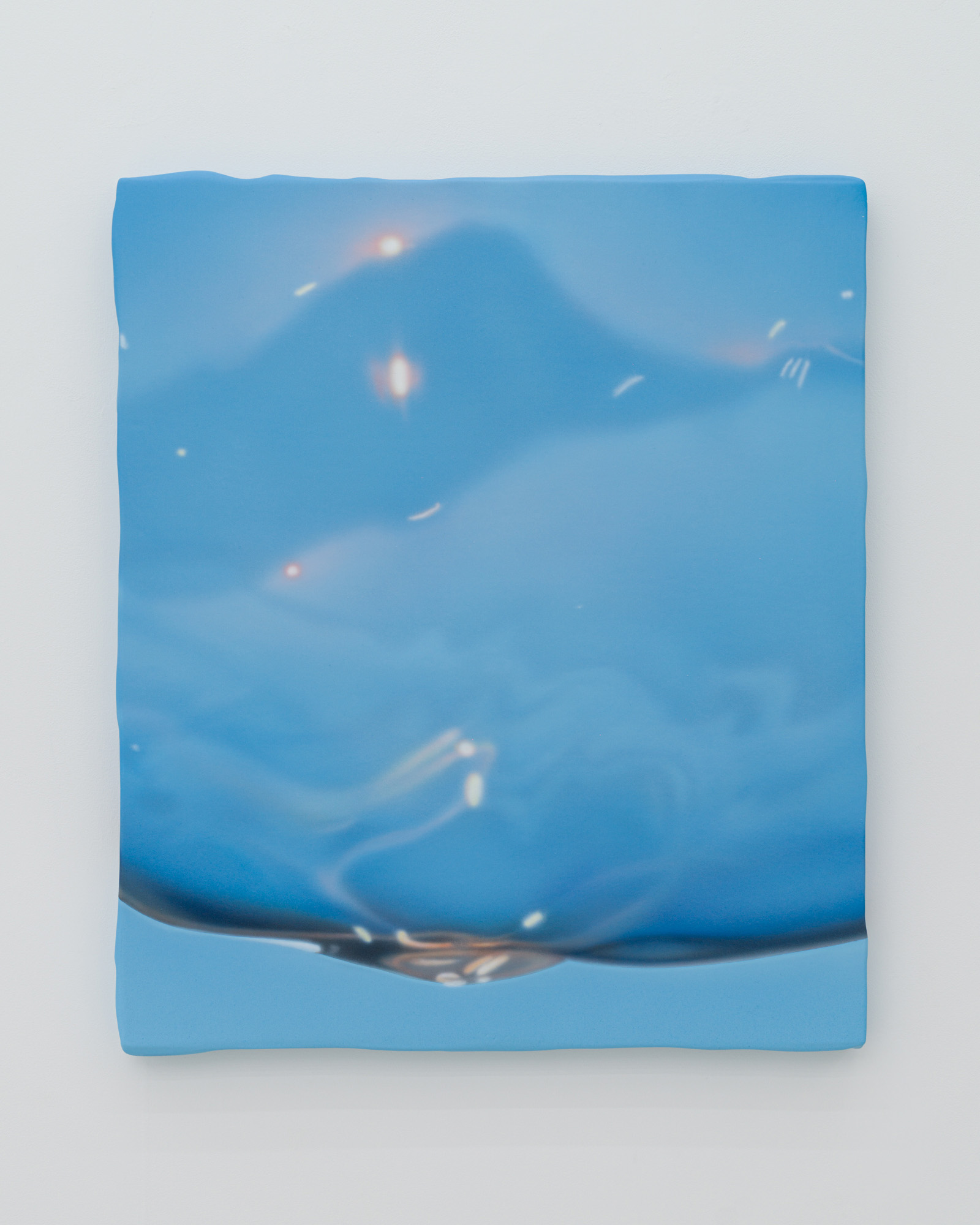
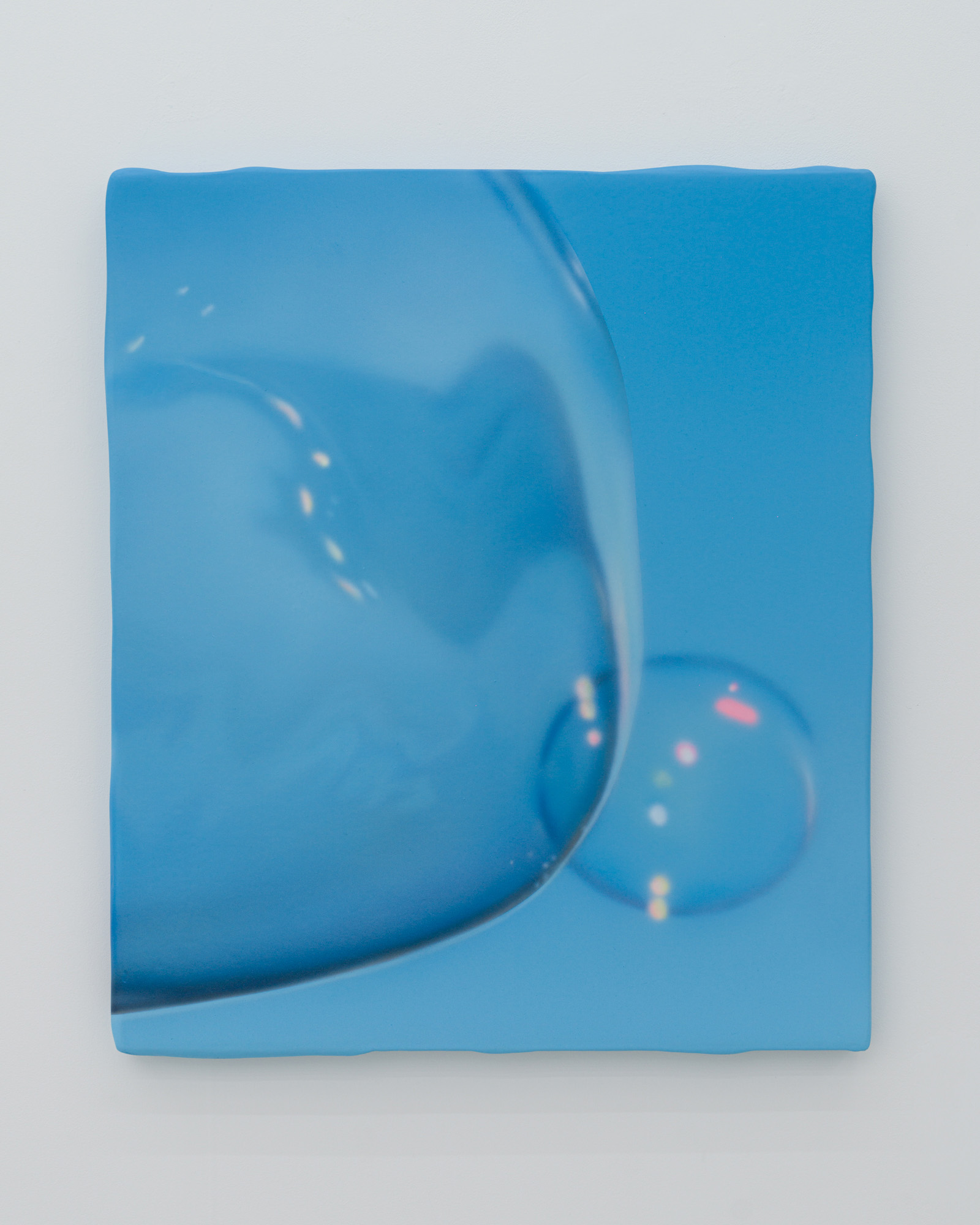
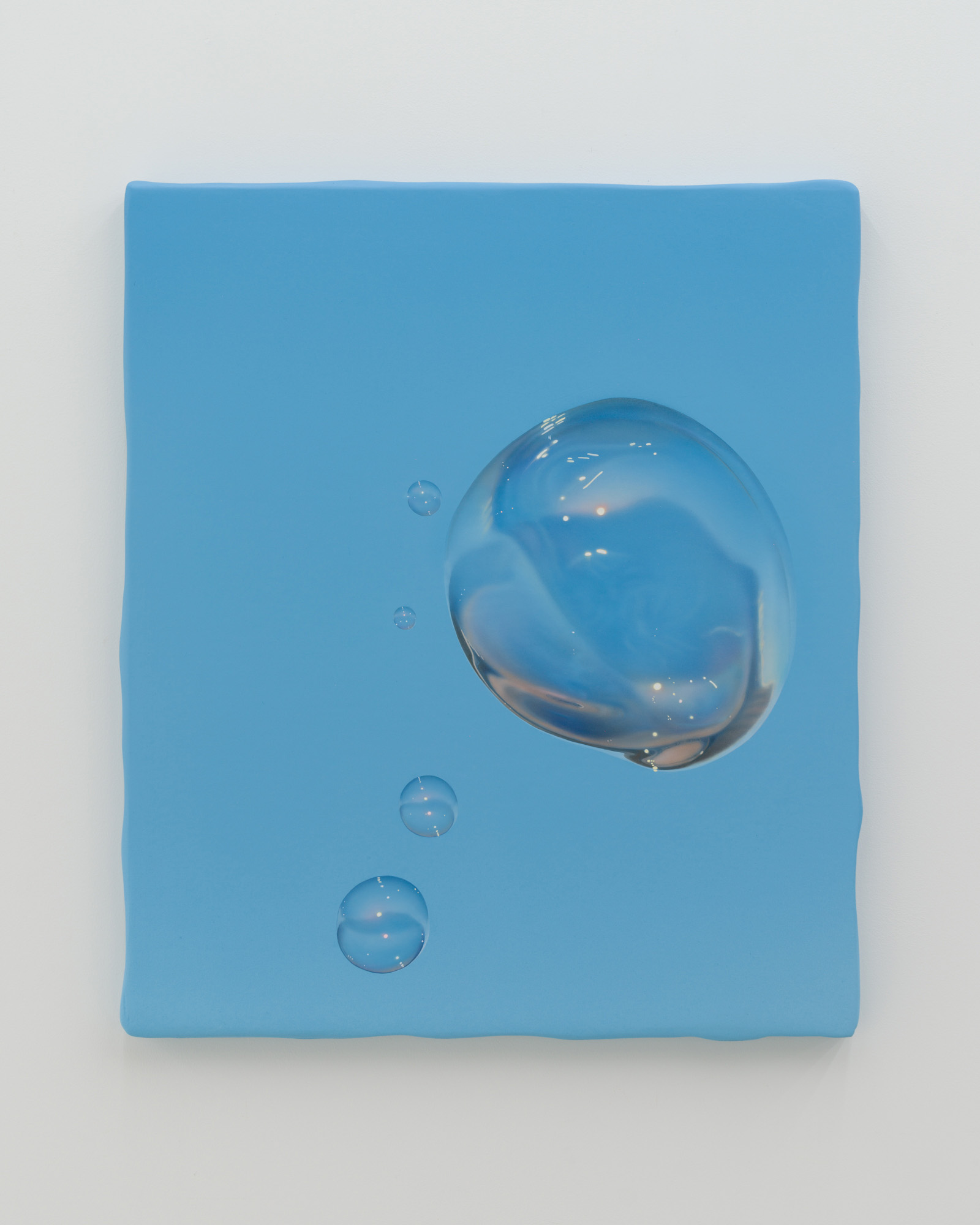
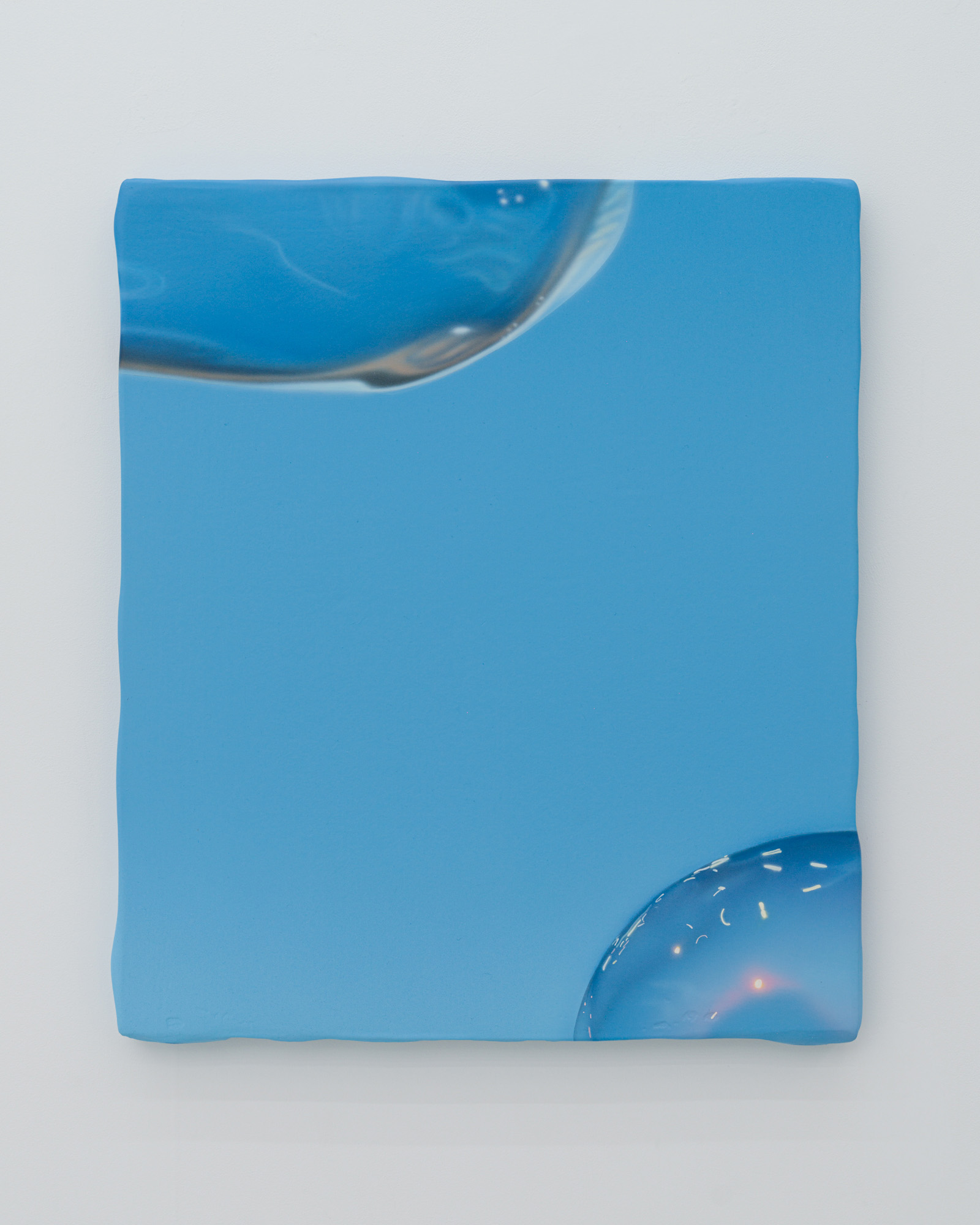
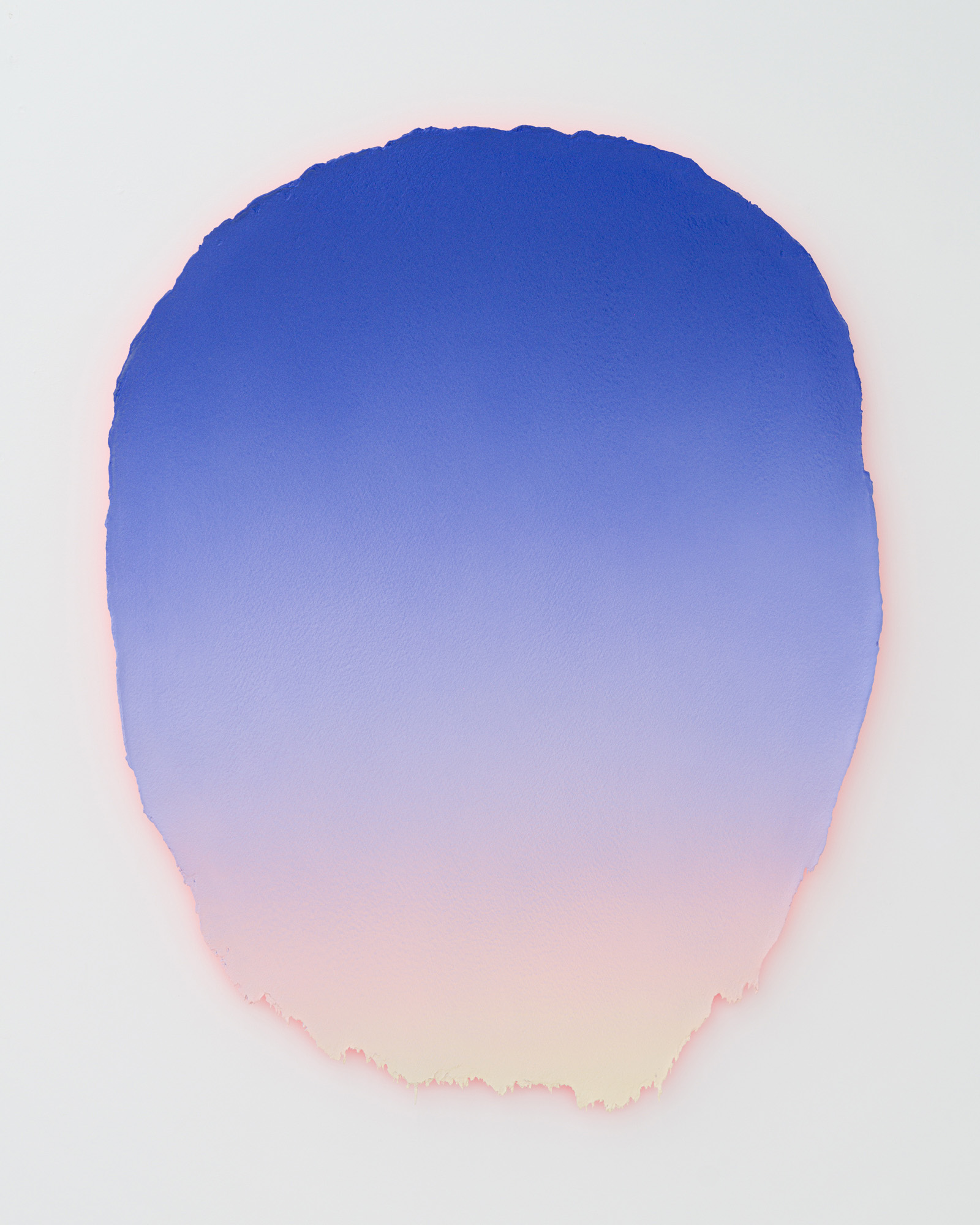
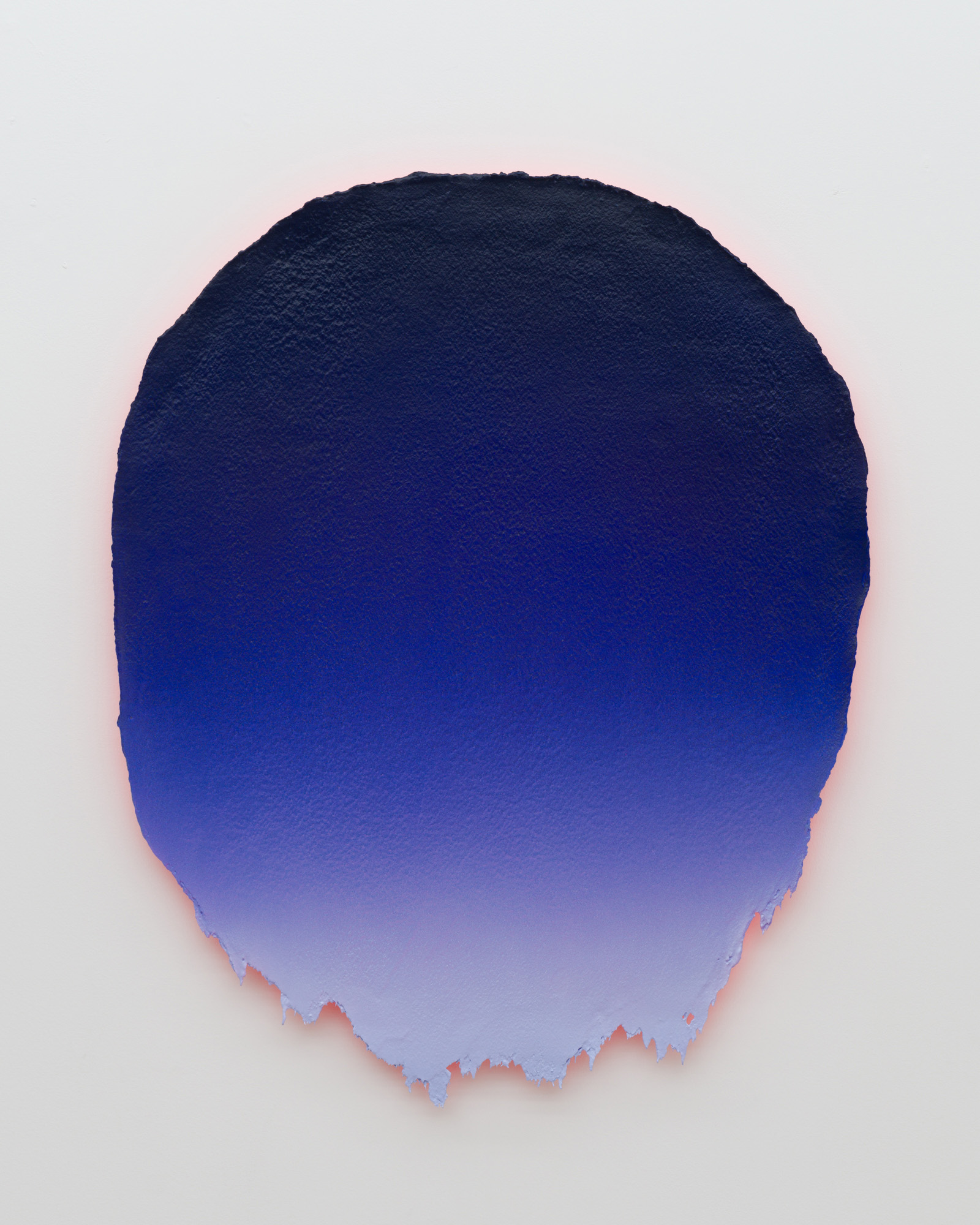
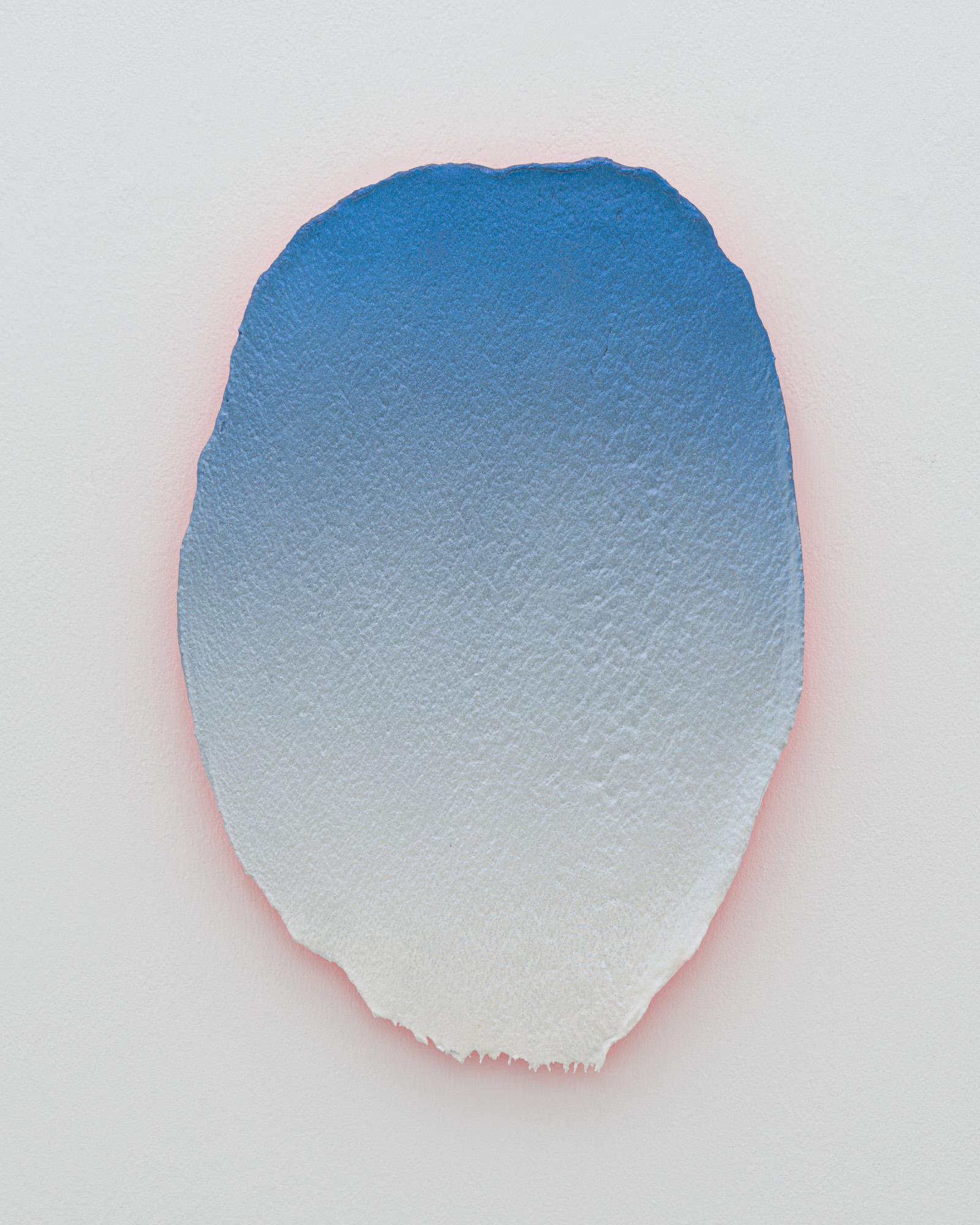
반면 한없이 얇고도 가벼운 홍성준의 일루전은 회화가 상연하는 것들이 수많은 공산품 재료의 조합과 그것들의 진행으로 산출되는 것임을 인지하는 데서 출발한다. 그는 다양한 미디엄을 동원해 매끄럽고 얇거나 반투명한 막이 겹친 장면들을 반복적으로 그려내며 평평한 캔버스 단면과 그것을 구성하는 물성의 조건을 넌지시 드러내 왔다. 그러나 그는 여기서 조금 더 나아가 캔버스 위에서 회화의 수단으로 활용되었던 물질이 스스로 사실(pragma)로서 존립할 수 있는 형태를 고안하기 시작한다. 흥미로운 점은 벽 위에서 얕게 띄워진 채 제시된 혼합물 사이로 그림자, 반사광 등이 직접 관여하게 되고, 이내 그 주변으로 또 다른 환영이 달라붙는다는 점이다. 말하자면 그는 자신이 재현하는 이미지를 회화의 물리적 조건 안으로 되먹임시키고, 공간에 거칠게 내뱉은 물질 그 자체로부터 다시금 이미지를 얻어내기도 하는 양극의 메커니즘을 회화적 언어의 동력으로 삼는다. 이러한 태도는 지속적인 디지털 인터페이스 환경과 물리적 차원 사이를 횡단하며 얻게 되는 감각으로부터 출발한 것이기도 하다.
그들이 다루는 일루전은 가상의 차원을 열어주는 미지의 창이라는 회화의 수사학적 의미로부터 멀어지고자 한다. 대신 필립은 미술과 문화의 기준을 공고히 만드는 문자와 시각 기호의 축적을 그리기를 통해 파헤치며, 홍성준은 끊임없이 발견되는 새로운 회화 원재료의 특성을 동시대의 환경적 특성으로 확장시키면서 시각적 재현과 신체적 경험 사이의 관계망을 구축한다. 그러므로 우리는 그들을 재현의 한 쪽 면을 충실히 이행하면서도 이내 반대 면으로 화면을 휙 뒤집어(flip over) 해묵은 담론의 신성함을 상쇄할 물리적 결합과 변주를 꿈꾸는 치밀한 행위자들로 진단할 수 있을 것이다.
1 롤랑 바르트, 「예술의 지혜」, 『이미지와 글쓰기』, 김인식 역, 서울:세계사, 1993, pp. 27-29.
글 | 박지형 (디스위켄드룸 큐레이터)
Here are images on different surfaces with various masses. If there is weight in illusion, it would not be difficult to compare the difference between the two. However, the illusion is only a shell of an image with a sense of reality. Now it is required to enter the meaning of the representation created by Philip Loersch and Seongjoon Hong. Flip Over explores the power of ambivalence hidden in the artistic practices of these two artists, who are based in Germany and South Korea respectively. Labor-intensive processes are undoubtedly central to their work. Both artists enjoy the intensive process of creating images and their desire and curiosity about the act of drawing/painting are evident in their work. However the images they create imply paradoxical and transpositional characteristics in different ways. Following the phrase from Roland Barthes, their representations hold secrets that scatter the material into the image rather than display it; at the same time they leave room for the raw material to speak for itself.1 In short, they move between form and materiality, interested in dismantling the solidity of culture and logic created by previous generations and discovering a renewed visual vocabulary in between.
Loersch has been working on drawings, sculptures and installations that take mathematical formulas, scientific propositions and symbols of cultural origin and give them an aesthetic dimension in his way. He enjoys the flows of free thought that arise between the layers of intellect, creating fine cracks in the logical structures that are created in search of explicit principles or answers. The works in this exhibition, in particular, dismantle the standards of value defined by the legacy of art in the past. Often on the surface of stone or blank pages of books, he persistently draws sections of pages from books on Greek civilization, Donatello, minimalism, color, and more. His work refutes the power and weight of history that books imply while transforming them into unknown objects whose contents can no longer be easily accessed. Solid knowledge is inevitably adjusted in the face of this hyper-realistic mass that cannot be turned over. In addition, stone, paper, and graphite offer a tactile experience as raw materials before being circulated into other symbolic meanings. The artist recognizes that more cultural diversity and room for formative imagination can be absorbed into the work, beyond the letters sealed by the hard surface and heavy mass.
On the other hand, Hong’s Illusion, which is infinitely thin and light, is based on the recognition that what is presented in the painting is the result of the combination and progression of numerous commodity materials. He has repeatedly drawn scenes with layers of smooth, thin, or translucent membranes, secretly exposing the flat canvas surface and the materials that compose it. However, he goes a step further and begins to devise a form in which the material utilized as a means of painting on the canvas can stand on its own as a pragma. Interestingly, shadows and reflective light become directly involved in the mixtures presented while being shallowly floated on the wall, and soon another illusion appears around the shape. In other words, he uses this dual mechanism in his works; returning the images he reproduces into the physical conditions of the painting, and extracting the hint of representation from the material itself. This attitude also stems from the sensation gained by traversing between digital interface environments and the physical dimension.
The illusions they deal with seek to move away from the rhetorical meaning of the drawing/painting as a window that opens up a virtual dimension. Instead, Loersch digs into the accumulation of texts and visual symbols that solidify the canons of art and culture with his own visual languages, while Hong builds a network of relationships between visual representation and physical experience by extending the characteristics of constantly discovered new painting materials to the characteristics of contemporary environments. Thus, we can diagnose them as meticulous actors who faithfully fulfil one side of the representation, but then flip over to the other side, dreaming of physical combinations and variations that will offset the sanctity of the old discourse.
1 Roland Barthes, “The Wisdom of Art”, Image and Writing, translated by Insik Kim, Seoul:World History, 1993, pp. 27-29.
TextㅣJihyung Park (Curator, ThisWeekendRoom)